Degrees don’t guarantee high pay anymore. What actually pays today are skills. Specific, in-demand, high-income skills that companies are willing to throw six-figure salaries at. In fact, nearly two out of three employers are hunting for skills first (not fancy papers) according to a recent survey by the National Association of Colleges and Employers.
In this blog, we’re skipping the usual obvious tech roles and digging into some seriously high-income skills and career paths that don’t always hit the deadlines but deserve way more of your attention. We scoured Reddit threads, industry forums, real job postings, and hiring trends to uncover them.
And the best part? Most of these fields aren't crowded yet. You can pick them up through online courses, bootcamps, or just rolling up your sleeves and building stuff.
So if you’re a developer, or any tech talent, who wants to stop grinding for average pay and start stacking six figures, pay close attention. Exploring alternative career options for software engineers could be the move that finally breaks you out of the traditional dev role. The next few skills might just change the direction of your career.
Ready to put your skills to work? Join Index.dev and get matched with top global companies for long-term, high-paying remote jobs.
What Exactly Are High-Income Skills?
High-income skills are the skills that don’t just get you hired, they get you paid really well. We’re talking six figures and beyond. Think of them as skills that have a direct impact on a company’s bottom line. If you can save money, make money, or solve a painful problem for a business, you’re in high-income skill territory.
The 5 Flavors of High-Income Skills
Most of these skills fall into five big buckets:
- Technical → Stuff like coding, data analysis, cybersecurity. The skills that make complex things work.
- Creative → UX design, digital marketing, product storytelling. Anything that grabs attention, engages users, or sparks innovation.
- Leadership → Project management, communication, people skills. The glue that keeps teams aligned and projects moving.
- Money-making → Sales, growth hacking, negotiation. The ones directly tied to revenue and profit.
- Future-facing → AI, blockchain, automation, green tech. Emerging, still-scarce skills shaping tomorrow’s industries.
Things That Make Them Valuable
Here’s what sets high-income skills apart from the rest:
- They’re rare.
- Not many people can do them well, and companies are desperate to hire those who can.
- Not many people can do them well, and companies are desperate to hire those who can.
- They move the needle.
- Businesses see immediate results, whether that’s growth, revenue, or innovation.
- Businesses see immediate results, whether that’s growth, revenue, or innovation.
- They keep evolving.
- Tech shifts fast. If you’re good at adapting and learning, you stay valuable.
- Tech shifts fast. If you’re good at adapting and learning, you stay valuable.
- They’re strategic.
- It’s not just about doing the work. It’s about understanding how it drives the bigger picture.
- It’s not just about doing the work. It’s about understanding how it drives the bigger picture.
Ready to see what everyone's missing?
Let's dive in.
1. Solutions Architect
Think of a Solutions Architect as the ultimate tech translator. You’re the bridge between the sales team, the engineers, and the customers. Your job? Figure out how a company’s tech product can solve real problems for clients, and explain it so everyone gets it. You’re part consultant, part engineer, and 100% essential to closing deals.
Why It’s Worth Six Figures
The numbers don’t lie. McKinsey reports that when organizations undertake a large-scale transformation, their efforts fail about 70% of the time. Poor technical planning may be to blame.
Companies pay big for this role because pre-sales expertise directly drives revenue. If a Solutions Architect can prove to a client that a product solves their problem, that deal closes faster, and often for millions.
In enterprise SaaS (AWS, Databricks, or Snowflake), Solutions Architects regularly earn over $120K base, with bonuses and equity often pushing comp packages north of $200K. According to Glassdoor, AWS Solutions Architects average $150K+, and that’s before stock options.
Six-Figure Jobs That Need This Skill
- Solutions Architect @ AWS or Azure → Build cloud strategies for Fortune 500 clients, $140K–$200K+
- Pre-Sales Engineer @ Snowflake → Work with massive data problems, $130K–$180K
- Enterprise Solutions Architect @ Databricks → Guide machine learning teams, $150K–$210K
Who Fits Right In?
This job is perfect for developers who:
- Love explaining complex ideas simply.
- Enjoy talking with clients just as much as writing code.
- Get excited about new tools, APIs, and architectures.
- Have patience (because you’ll explain the same thing 10 different ways).
How to Break In (Without Overthinking It)
- Learn the basics of cloud → AWS, Azure, GCP. Even a starter cert like AWS Cloud Practitioner is gold.
- Play with APIs and databases → Postgres, Snowflake, Salesforce integrations.
- Start with customer-facing tech roles → Sales Engineer, Technical Support Engineer, or even Customer Success in a SaaS company.
- Sharpen your soft skills → Communication matters here as much as technical knowledge.
Recommended Resources
- AWS Cloud Practitioner Certification (Coursera)
- How To Become An Outstanding Solution Architect (Udemy)
2. Product Operations Manager
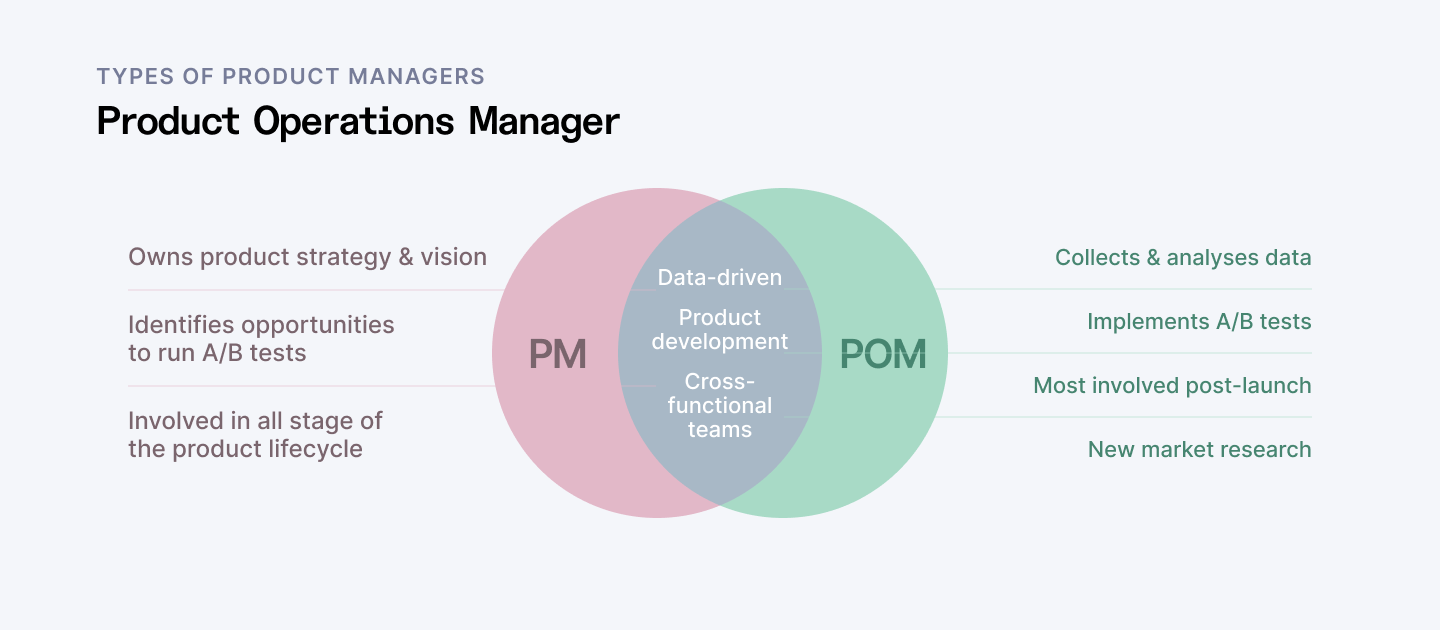
Product Ops is like the unsung hero of product teams. They don’t design the roadmap or write the code, but they make sure everything runs smoothly. That means tracking experiments, wrangling release calendars, gathering feedback from users, and making sure the product org doesn’t drown in chaos.
Why It’s a Six-Figure Role
With 32% of companies now having a dedicated product operations person or team, every company wants to be “product-led” now. But guess what? Most product managers are terrible at operations. They're creative visionaries, not process people. And that's creating a massive problem.
Someone has to handle the operations side, otherwise launches flop, experiments get lost, and feedback never reaches engineering.
That’s where Product Ops comes in. And since this role directly impacts how fast products ship and how well they land with customers, companies happily pay six figures for it.
Typical salaries range from $100K to $140K+, with equity sweetening the deal at mid-sized startups and FAANG-adjacent companies. LinkedIn data shows Product Ops job postings have jumped sharply in the past three years, it’s a role that didn’t exist at scale five years ago, but now every product org wants one.
Six-Figure Jobs That Need This Skill
- Product Operations Manager @ Stripe → Align PMs and engineers, $120K–$150K
- Product Ops @ Figma → Coordinate launches and feedback loops, $110K–$140K
- Senior Product Operations Specialist @ Uber → Streamline experimentation, $100K–$130K
Who Fits Right In?
This role is perfect if you:
- Geek out on processes and workflows.
- Are super organized but also love working with people.
- Can switch between spreadsheets and conversations without missing a beat.
- Thrive in cross-functional environments.
- Are a detail-obsessed problem solver who secretly enjoys untangling messy systems.
Skills that make you unstoppable:
- Strong analytical thinking
- Basic understanding of product development cycles
- Comfort with data tools
How to Break In (Without Burning Years)
- Start in customer-facing roles → CX, product support, or operations roles are natural feeders into Product Ops.
- Learn the tools of the trade → Jira, Notion, Mixpanel, Airtable. These are your daily bread.
- Show you can organize chaos → Run side projects, streamline a process at work, or share templates in a community.
- Plug into the community → Product Ops is still new, but communities and Slack groups are goldmines for job leads.
Recommended Resources
- Product Management: Developing and Delivering a New Product (Coursera)
- Digital Transformation – Product Operations (Udemy)
- Product Operations Certified (Product-led Alliance)
3. UX Research Operations (Research Ops)
Research Ops are the ones who handle all the behind-the-scenes stuff: scheduling user interviews, managing participant panels, building templates, setting up research tools, and generally making sure studies run without chaos.
Think of them as the air traffic controllers of UX research. They don’t fly the planes, but nothing takes off or lands safely without them.
Why It’s a Six-Figure Job
According to Forbes, every dollar invested in UX brings $100 in return. Every tech company claims to be "user-centered" now. But most of them are terrible at actually doing user research.
If you don’t understand your users, you ship the wrong features, waste money, and lose customers. Research Ops makes sure that doesn’t happen.
Because their work directly accelerates how fast researchers get insights (and how good those insights are), companies pay top dollar. Salaries usually start around $90K and climb well past $130K+ at places like Google, Airbnb, and Spotify. In fact, Airbnb publicly credited its Research Ops team with helping scale research across the org when they exploded in growth.
Six-Figure Jobs That Need This Skill
- Research Operations Specialist @ Google → Coordinate global UX research, $100K–$140K
- Research Ops Manager @ Airbnb → Manage participant panels worldwide, $110K–$150K
- UX Research Coordinator @ Spotify → Streamline studies for product teams, $95K–$125K
Who Fits Right In?
You’ll love this job if you’re:
- Naturally organized (the kind of person who enjoys calendars and checklists).
- Empathetic, since you’re often working with participants, not just systems.
- From a background in academic research, operations, or admin, but curious about tech.
Skills that make you unstoppable:
- Project management experience
- Background in customer service or support
- Academic research experience
- Psychology or social science background
How to Break In (Without a UX Degree)
- Learn the basics of UX research → Take an intro course so you understand methods. Master scheduling and project management tools.
- Showcase your organizational skills → Highlight any role where you managed logistics, scheduling, or coordination.
- Join the ReOps community → It’s packed with guides, templates, and actual job postings. Learn advanced research tools (Dovetail, Notion for research, Airtable for participant management).
- Get hands-on → Volunteer to help UX researchers at your current company, even if it’s just managing scheduling or participant lists.
Recommended Resources
- Introduction to User Experience Research (Coursera/University of Michigan)
- The User Researcher's Guide to UX Discoveries (Udemy)
- Google UX Design Professional Certificate (Coursera/Google)
4. Security Analyst
A Security Analyst is basically the night watch for a company’s digital world. They’re the ones monitoring systems, scanning for suspicious activity, digging through logs, and making sure hackers don’t sneak in.
When something looks shady, they investigate, write reports, and flag risks before they turn into disasters.
Why It’s a Six-Figure Role
Gartner states that 17% of cyberattacks will employ generative AI by 2027. Cybersecurity is no longer optional. Every company, from banks to healthcare startups, knows that one breach can cost millions (and tank customer trust). That’s why security has moved from “nice to have” to mission-critical.
Even entry-level roles in security pay well, often $85K–$110K. As you climb into senior, lead, or manager roles, salaries push well past $150K+. According to the ISC2 Cybersecurity Workforce Study, there’s a global shortage of over 4 million cybersecurity professionals. Additionally, the cybersecurity unemployment rate is effectively 0%. This means, if you’re good at this, companies will fight to hire you.
Six-Figure Jobs That Need This Skill
- Security Analyst @ JPMorgan Chase → Monitor financial systems, $90K–$120K
- Incident Response Specialist @ Microsoft → Investigate breaches, $110K–$140K
- Cybersecurity Lead @ Netflix → Build defense strategies, $150K–$180K
Who Fits Right In?
This is for you if you:
- Don’t mind combing through details (logs, alerts, reports).
- Like staying one step ahead of attackers.
- Have the patience to dig through data.
- Can stay calm when everything is on fire.
Your developer advantage:
- You already understand how systems work
- You can read logs
- You grasp networking concepts
- You're comfortable with command line tools
- You think in terms of attack vectors
How to Break In (Without a CS Degree)
- Get certified → CompTIA Security+ is the best starter badge. It shows you know the basics.
- Learn the tools → Splunk for monitoring, Wireshark for traffic analysis. Free labs are everywhere.
- Get hands-on → TryHackMe.com has gamified labs where you can practice hacking and defending systems.
- Start small → Many analysts begin in IT support or sysadmin roles and pivot into security once they know systems inside-out.
Recommended Resources
- CompTIA Security+ (absolutely essential for entry-level)
- Google Cybersecurity Professional Certificate (Coursera/Google)
- CompTIA CySA+ (for analyst roles specifically)
- CISSP (after you have 5 years experience, opens executive doors)
Discover the 10 most in-demand tech skills to learn.
5. Data Analysis + AI Literacy
Data analysis is all about digging through raw info, spotting patterns, and turning that mess into smart moves for a business. It’s digging into spreadsheets, dashboards, or databases and asking:
- What’s happening here?
- What should we do next?
Now add AI literacy on top. No, you don’t need to code the next ChatGPT. AI literacy is about knowing what AI can do, what it can’t, and how to use it as a force multiplier.
Why It’s Worth Six Figures
Every company wants to be “data-driven.” The problem? Most drown in data and don’t know what to do with it. If you can connect the dots and use AI to speed up insights, you instantly become one of the most valuable people in the room.
And the money backs it up. PwC’s 2025 Global AI Jobs Barometer found that workers with AI skills now command a 56% wage premium, up from 25% just last year. That’s insane growth and proof the market is hungry.
Six-Figure Jobs That Need This Skill
- Data Scientist @ Netflix → Find viewing patterns that shape content, $130K–$180K
- Machine Learning Engineer @ Tesla → Build models for self-driving cars, $140K–$190K
- BI Analyst @ Amazon → Turn customer behavior data into product strategies, $110K–$150K
Who Fits Right In?
You’ll love this path if you:
- Enjoy finding patterns in chaos.
- Can explain tech stuff to non-tech people without making them feel dumb.
- Have a natural “why is this happening?” curiosity.
- See AI as a tool, not a threat.
Bonus if you’re a dev → your system thinking, API fluency, and comfort with cloud tools put you ahead of 90% of “business analysts” already in the field.
How to Break In (Even If You’re New)
- Start simple → Excel, Google Sheets, or Tableau. Don’t over-engineer it.
- Level up → Learn Python + SQL. They’re the Swiss army knives of data work.
- Practice for real → Grab free datasets on Kaggle or open data portals. Make projects you can show off.
- Play with AI tools → Use ChatGPT, MidJourney, or AI analytics apps. Learn by doing, not just reading.
- Certify if you want → Google Data Analytics or Coursera’s AI for Everyone are solid stamps of approval.
Recommended Resources
- Dana Analytics for Beginners (Coursera/DeepLearning.AI)
- AI For Everyone (Coursera/DeepLearning.AI)
- Microsoft Power BI Data Analyst (if you want corporate roles)
- Data Analytics Bootcamp (TripleTen)
6. Project Management
Project managers are the quarterbacks of tech. They juggle plans, deadlines, and teams with different skills. They solve problems, smooth out conflicts, and steer the ship from kickoff to launch.
Why It’s a Six-Figure Role
Apple's iPhone launch success is about flawless project management. Steve Jobs was famous for being a brutal project manager who could coordinate hundreds of moving pieces across hardware, software, marketing, and manufacturing.
Most companies fail here. PMI reports that organizations waste nearly 12% of investments due to poor project performance. It’s not a tech problem, it’s a coordination problem. Skilled PMs prevent that, which is why salaries often land in the $120K–$200K range across industries like software, healthcare, and fintech.
Six-Figure Jobs That Need This Skill
- Senior Technical Project Manager → Coordinate multi-team engineering projects ($120K–$180K)
- Product Manager → Define what gets built and why ($120K–$220K)
- Scrum Master / Agile Coach → Boost team efficiency with Agile ($110K–$160K)
- Digital Transformation PM → Lead major tech overhauls ($125K–$190K)
Who Fits Right In?
You’ll thrive if you:
- Stay calm when everything’s on fire
- Love solving people problems as much as technical ones
- Translate across “languages” (business, design, engineering, marketing)
- Enjoy being the person who makes the impossible happen
How to Break In
- Get certified: PMP, Scrum Master, Agile.
- Volunteer to lead projects at work (any size counts).
- Start with smaller side projects or open-source contributions.
- Apply for Associate PM or Junior Scrum Master roles.
- Get hands-on with tools like Jira, Asana, Trello.
Recommended Resources
- Certified Scrum Master (Coursera/LearnQuest) – Great Agile entry point
- Project Management Professional (Project Management Institute) – The gold standard for PM careers
7. Marketing Analyst
Marketing analysts make numbers talk. They track campaigns, dig into customer behavior, and figure out what’s actually working (and what’s wasting money). They blend strategy with data, turning clicks and conversions into actionable insights that drive growth.
Why It’s a Six-Figure Role
Marketing has become incredibly complex. Customers touch 12+ touchpoints before buying. Attribution models are breaking down. And executives want proof that marketing spend works.
Most marketers can run campaigns, but very few can prove what's working. That gap between campaign execution and data analysis? That's where the money is.
Companies pay well because data-driven marketing decisions directly affect revenue. If you can write SQL queries, slice datasets, and spot trends before anyone else, you’re in high demand.
Entry-level salaries often start around $80K–$100K, but experienced analysts at big tech brands or Fortune 500 companies can pull $130K+, especially when they combine SQL chops with strategy and business insight.
Six-Figure Jobs That Need This Skill
- Marketing Data Analyst @ Shopify → Optimize campaigns with data, $90K–$120K
- Growth Analyst @ HubSpot → Track funnels and customer journeys, $100K–$130K
- Senior Marketing Analyst @ Amazon → Drive insights for global campaigns, $120K+
Who Fits Right In?
You’ll enjoy this path if you:
- Love solving puzzles that have real business impact
- Can translate data into stories executives actually understand
- Get curious when numbers don’t add up
- Want to mix analytics with creativity by working closely with marketing teams
Technical advantages you bring (if you’re already in tech):
- Understanding of databases and data structures
- Comfortable with APIs and integrations
- Able to build automated dashboards and reports
- Confident with SQL and large datasets
How to Break In
- Learn SQL basics → Universal data language.
- Understand key marketing metrics → CTR, CAC, LTV, funnels.
- Get hands-on practice → Use sample datasets or volunteer for campaign analysis.
- Upskill with courses → Great places to start: Coursera’s Marketing Analytics with Meta or DataCamp’s SQL for Marketers
Recommended Resources
- Marketing Analytics with Meta (Coursera/Meta)
- Marketing Analytics for Business (DataCamp)
- Hubspot for Marketing Analytics (Hubspot)
8. Prompt Engineer
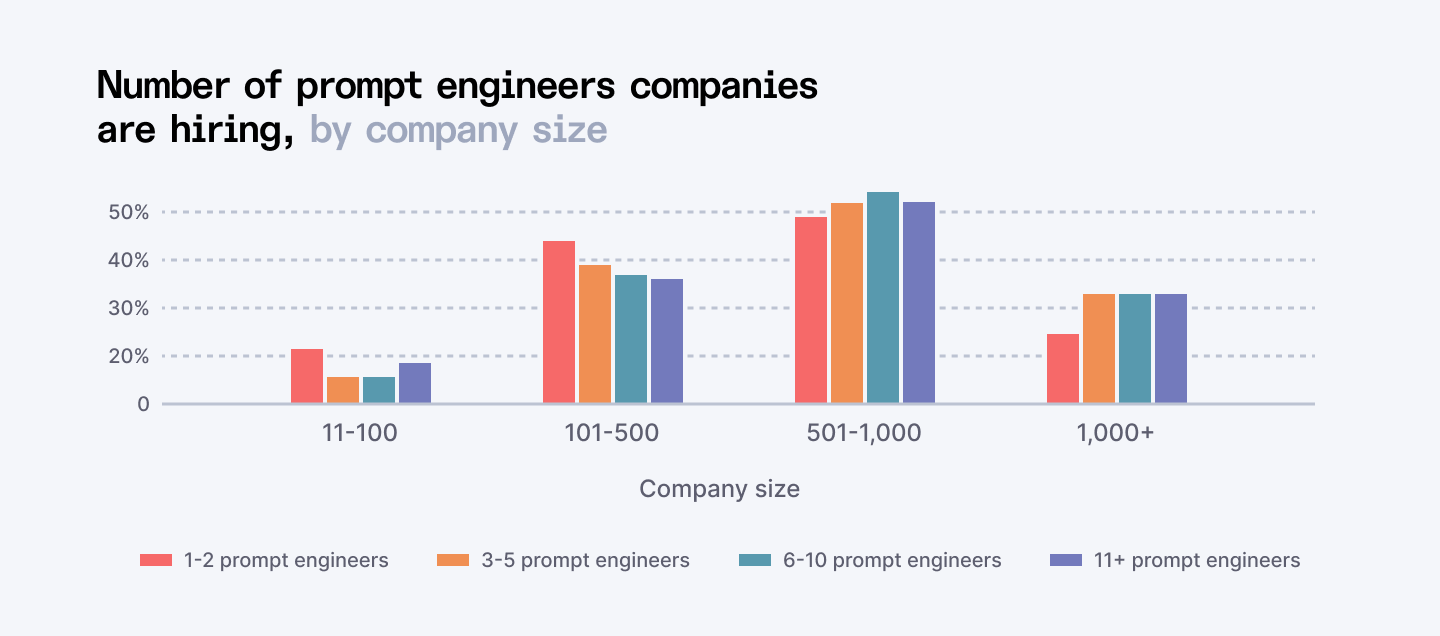
Prompt engineers are the people who tell AI what to do, and make sure it does it right. They craft clever inputs to teach AI models like ChatGPT, Claude, or Gemini how to give better answers, build cool features like chatbots, or even power cutting-edge apps. They basically speak AI’s language to make it perform at its best.
Why It’s a Six-Figure Role
This is a brand-new, super-hot field. Companies are paying big because well-crafted prompts directly improve product performance and efficiency. Early movers at Google, Anthropic, OpenAI, and other AI startups have seen salaries anywhere from $150K to $250K+, depending on specialization and impact.
As AI adoption explodes, companies need people who know how to get the models to behave, and that scarcity makes the role extremely rewarding.
Six-Figure Jobs That Need This Skill
- Prompt Engineer @ OpenAI → Design and test prompts for GPT models, $150K–$200K
- AI Prompt Designer @ Anthropic → Build prompts for AI safety and efficiency, $160K–$220K
- Generative AI Specialist @ Startups → Power tools, copilots, and customer-facing AI features, $150K+
Who Fits Right In?
You need:
- Deep understanding of large language models
- Curiosity and a relentless drive to experiment and solve problems
- Strong writing skills and ability to think about language systematically
- Ability to think about edge cases and failure modes
- Desire to be at the cutting edge of how humans and AI collaborate
Your developer superpowers:
- You understand how systems work and can debug when things go wrong
- You think in terms of inputs, outputs, and edge cases
- You can build tools and workflows to scale prompt engineering
- You grasp the technical limitations and possibilities of AI models
- You can integrate AI capabilities into existing applications
How to Break In
- Learn the basics of LLMs → ChatGPT, Claude, Gemini – understand their strengths and quirks.
- Practice crafting prompts → Experiment with different inputs to see what works best.
- Follow top resources → LearnPrompting.org is free and incredible, Coursera has courses too.
- Showcase your work → Build small AI tools, bots, or demos to get noticed by hiring teams.
Pro tip:
Start documenting your best prompts and the results they produce. Build a library of techniques for different use cases. This becomes your portfolio and your competitive advantage.
Recommended Resources
- Prompt Engineering with the OpenAI API (DataCamp)
- Learn Prompting: Your Guide to Communicating with AI (LearnPrompting.org)
- Prompt Engineering for ChatGPT (Coursera/Vanderbilt University)
9. Cloud Infrastructure and DevOps Engineer
Cloud and DevOps engineers build, deploy, and manage the systems that keep software running 24/7. They design scalable architectures, automate deployment pipelines, manage servers and containers, and ensure apps don’t crash under load. Simply put, they make sure everything in tech just works, even when millions of users log in at the same time.
Why It’s a Six-Figure Role
According to Google Cloud Brand Pulse Survey, 41.4% of global tech and business leaders plan to increase their investment in cloud-based services and products due to the current economic climate. Cloud adoption is booming. Nearly 95% of enterprises use cloud services today. But with great power comes big risks. Companies are burning through budgets hiring cloud security pros who can lock down infrastructure and help stay compliant with regulations. Salaries start around $130K and rapidly climb past $200K for the savvy. The job growth in cybersecurity is blistering hot, projected at 35% through 2033.
Six-Figure Jobs That Need This Skill
- Cloud Engineer @ AWS → Build scalable cloud infrastructure, $130K–$180K
- DevOps Engineer @ Netflix → Automate deployments and monitoring, $140K–$190K
- Site Reliability Engineer @ Google → Keep global systems online 24/7, $150K+
Who Fits Right In?
- People who love systems, automation, and problem-solving under pressure.
- Developers who enjoy scripting, Linux, and cloud services.
- Engineers who want to see the real-world impact of their work at massive scale.
How to Break In
- Learn cloud platforms → AWS, Azure, Google Cloud.
- Understand containerization → Docker, Kubernetes.
- Practice CI/CD pipelines → Automate builds and tests.
- Certify → AWS Certified Solutions Architect, Google Cloud Professional, or Azure DevOps Engineer.
- Get hands-on → Build side projects or contribute to open-source deployments.
Recommended Resources
- Training for DevOps Engineers (Microsoft)
- Associate Cloud Engineer (Google)
- Professional Cloud DevOps Engineer (Google)
10. AI Product Manager
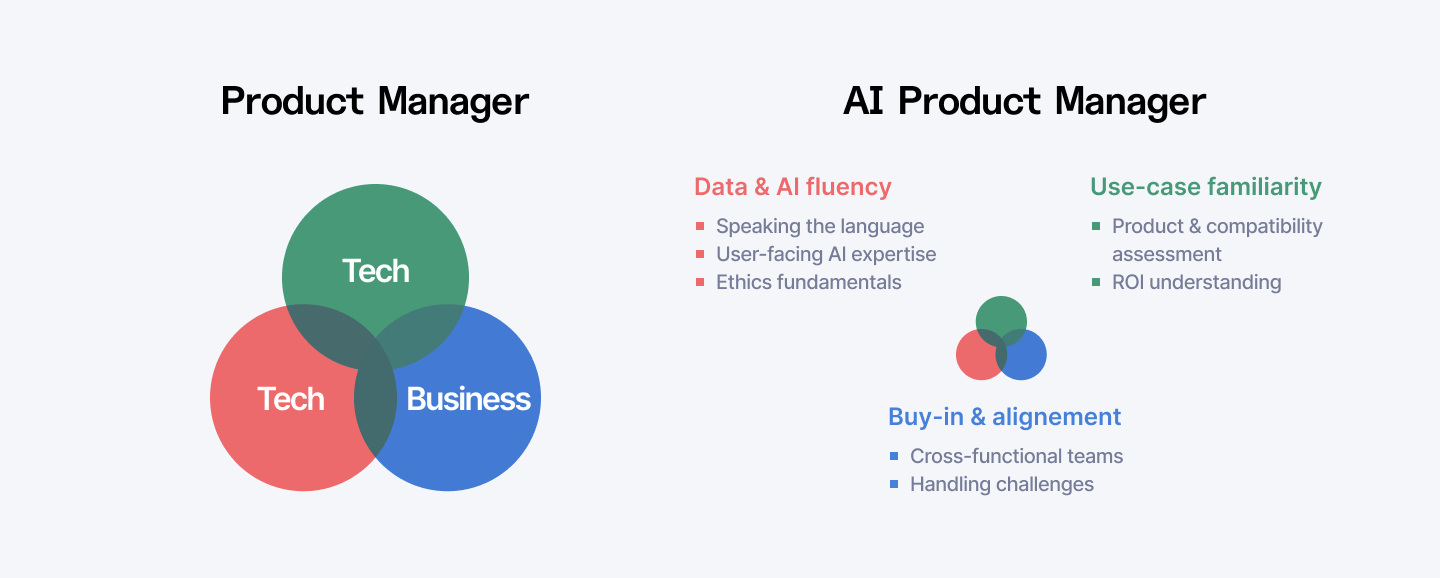
AI Product Managers define how AI products actually get built. They bridge business, engineering, and AI research teams, turning complex AI technologies into products that customers use. They decide what features the AI should have, how it should behave, and what problems it solves.
Why It’s a Six-Figure Role
53% of executives say they are regularly using gen AI at work, compared with 44% of midlevel managers, based on a recent survey from McKinsey & Company.
AI is exploding. Companies from startups to giants like OpenAI, Anthropic, and Google are racing to deploy AI products. Skilled AI PMs are critical because technology alone isn’t enough. Someone just has to make it usable, ethical, and profitable.
Salaries start around $130K–$160K, with senior roles reaching $250K+, especially for those who can manage LLM-driven products, AI copilots, or generative AI tools. McKinsey reports that AI adoption is creating a massive skills gap in product leadership, making this role extremely valuable.
Six-Figure Jobs That Need This Skill
- AI Product Manager @ OpenAI → Build and scale AI products, $150K–$200K
- Generative AI Strategist @ Anthropic → Turn AI research into real-world applications, $160K–$220K
- AI Product Lead @ Microsoft → Lead Teams building Copilot and AI features, $180K+
Who Fits Right In?
You’ll thrive at this job if you:
- Understand AI enough to talk to engineers, but can also talk to business leaders and customers.
- Translate complex tech into simple product strategies.
- Love shaping the future rather than just following it.
How to Break In
- Learn AI basics → LLMs, machine learning, and generative AI.
- Understand product management fundamentals: → Roadmaps, prioritization, metrics.
- Get practical → Manage AI-focused side projects or join early-stage AI startups.
- Take courses → AI Product Management (Udemy, Coursera), Generative AI Strategy workshops.
- Network in AI communities → Join newsletters, Slack groups, and conferences.
Recommended Resources
- IBM AI Product Manager Professional Certificate (Coursera/IBM)
- AI Product Management Specialization (Coursera/Duke University)
- AI Fundamentals Certification (DataCamp)
Explore the 10 most in-demand tech skills that can land you a high-paying job.
10 High-Income Skills: Table Summary
# | High-Income Skill | What They Do | Example Six Figure Jobs | How to Break In |
| 1 | Solutions Architect | Translate business needs into technical solutions; bridge sales, engineering, and clients | Solutions Architect, Cloud Consultant, Pre-Sales Engineer | Learn APIs, cloud platforms, databases; start in Sales Engineer or Support roles; AWS Cloud Practitioner, Pre-Sales Foundations |
| 2 | Product Operations Manager | Supports product teams, tracks experiments, manages releases, streamlines go-to-market | Product Ops Manager, Product Coordinator | Start in customer experience/product support; learn Jira, Notion, Mixpanel; LinkedIn Learning Product Management First Steps |
| 3 | UX Research Operations (Research Ops) | Streamlines UX research, manages participant panels, templates, and scheduling | Research Ops Coordinator, UX Research Manager | Organized, empathetic; academic/research background helps; Introduction to UX Research, ReOps Community |
| 4 | Security Analyst | Monitor systems, investigate threats, ensure compliance | Security Analyst, Incident Response Specialist, Cybersecurity Lead | Security+ certification, learn Splunk/Wireshark, TryHackMe.com, Google Cybersecurity Certificate |
| 5 | Data Analysis + AI Literacy | Turn data into actionable insights, leverage AI tools | Data Scientist, ML Engineer, BI Analyst | Learn Excel, Python, SQL, Tableau; practice on datasets; Google Data Analytics Certificate, AI for Everyone |
| 6 | Project Management | Plan, execute, oversee projects, coordinate teams | Project Manager, Product Manager, Scrum Master | PMP/Scrum certifications, manage side projects, learn Jira/Asana/Trello |
| 7 | Marketing Analyst (SQL + Strategy) | Track campaigns, optimize customer journeys, surface insights | Marketing Data Analyst, Growth Analyst, Senior Marketing Analyst | Learn SQL, marketing metrics, hands-on practice; Marketing Analytics with Meta, SQL for Marketers |
| 8 | Prompt Engineer | Craft prompts for AI models, improve responses and features | Prompt Engineer, AI Prompt Designer, Generative AI Specialist | Learn LLMs, experiment with prompts, LearnPrompting.org, Coursera Prompt Engineering |
| 9 | Cloud Infrastructure / DevOps Engineer | Build, deploy, manage scalable systems, automate pipelines | Cloud Engineer, DevOps Engineer, Site Reliability Engineer | Learn AWS/Azure/GCP, Docker/Kubernetes, CI/CD, certifications like AWS Solutions Architect |
| 10 | AI Product Manager / Generative AI Strategist | Define AI product strategy, bridge business and engineering | AI Product Manager, Generative AI Strategist, AI Product Lead | Learn AI basics, PM fundamentals, manage AI projects, courses on AI Product Management, network in AI communities |
Takeaways
High-income skills aren’t about luck or fancy degrees. They’re about solving real business problems that companies can’t afford to ignore. And the data proves it: workers with in-demand tech skills earn 25–56% more than their peers (PwC Global AI Jobs Barometer 2025; LinkedIn Emerging Jobs Report 2024).
The formula is simple:
- Scarcity creates value. If few people can do it well, like managing cloud infrastructure, securing data, or leading complex projects, companies will pay top dollar.
- Learning compounds. Every hour you spend practicing, building, and applying your skills increases your market value.
- Blending skills multiplies impact. Pair technical expertise with communication, strategy, or creativity, and you instantly stand out.
Don’t fall into the trap of trying to learn everything at once. Pick one high-impact skill that fits your strengths, double down on it, and build momentum. Over time, layer in complementary skills to become indispensable in any job market.
For Developers:
Ready to land one of these six-figure roles? Join Index.dev's talent network and get matched with global companies actively hiring for these high-demand skills.
For Clients:
Need developers with these specialized skills? Access Index.dev's elite 5% of vetted talent. Get matched in 48 hours and start with a 30-day free trial.