Building a successful software development team is crucial for any company looking to stay competitive in today’s fast-paced tech landscape. A strong team doesn't just happen by chance; it’s the result of careful planning, strategic hiring, and ongoing management. According to research by McKinsey & Company, companies that prioritize top-tier software talent can see productivity improvements of up to 40%, highlighting the importance of a well-structured team.
With demand for software engineers projected to grow by 22% through 2030 (U.S. Bureau of Labor Statistics), it’s more important than ever to focus on team dynamics, culture, and continuous learning to drive success.
As the tech industry continues to thrive and evolve, the demand for skilled software developers remains at an all-time high. As a sales account executive at Index.dev, I have had the privilege of witnessing firsthand what it takes to build an effective development team. In this article, I will share some strategies and best practices that can help businesses create successful and productive software development teams.
Skip the talent struggle. Connect with seasoned, expertly vetted engineers effortlessly. Get started in just 48 hours →
1. Embrace Diversity for Enhanced Performance
Studies have shown that diverse teams outperform their more homogenous counterparts. According to McKinsey & Company, companies with diverse teams demonstrate 25% higher profitability compared to their industry peers. Incorporating individuals with various backgrounds, experiences, and perspectives fosters creativity, problem-solving, and overall team productivity.
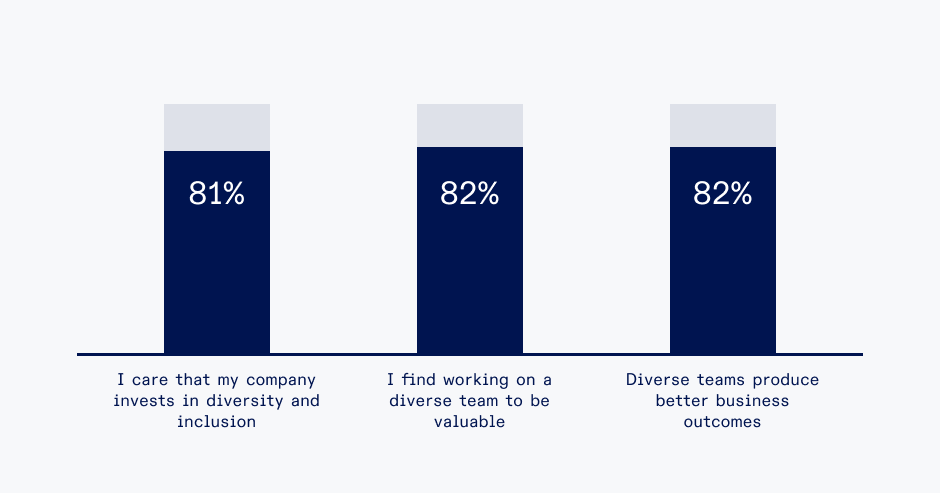
The Impact of Diversity in Tech Teams (Source: Atlassian)
To build a diverse development team, actively source from different talent pools, and ensure that hiring practices prioritize inclusivity and equal opportunities. A diverse team brings a wealth of ideas and insights to the table, resulting in improved project outcomes.
Also read: 8 niche strategies for sourcing remote developers
2. Nurture a Collaborative Culture
Strong team dynamics are built on a foundation of collaboration and open communication. ClearCompany's research reveals that a lack of collaboration or ineffective communication is a leading cause of workplace failures, as stated by 86% of employees and executives.
Encourage regular team meetings, facilitate brainstorming sessions, and utilize collaboration tools, including an employee communication app, to ensure seamless communication among team members. A culture that values input from every team member fosters creativity and empowers developers to contribute their best work.
3. Foster Continuous Learning
The tech industry is constantly evolving, and an effective development team must keep up with the latest trends and technologies. Encourage a culture of continuous learning by providing opportunities for skill development, attending conferences, workshops, and certifications. This investment in knowledge will pay off with more competent and innovative team members.
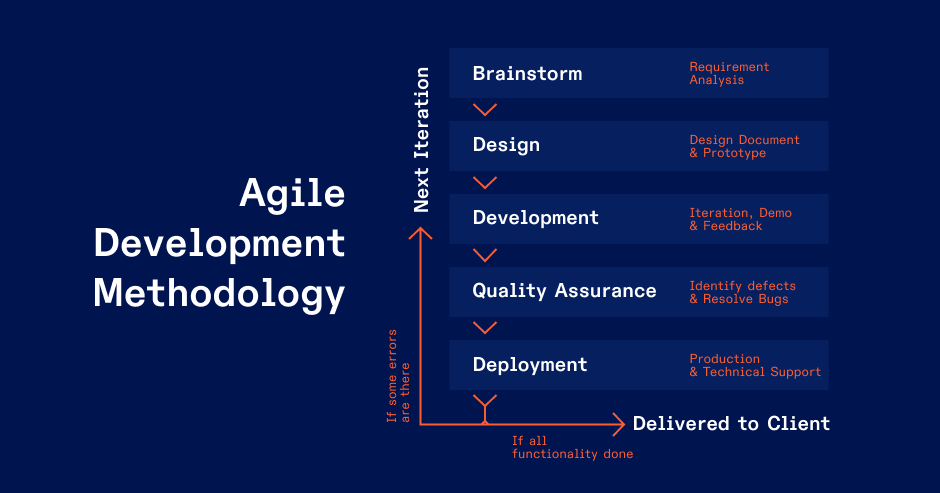
Agile Development Methodology
4. Embrace Agile Methodologies
Agile methodologies have proven to be highly effective in software development. Embrace practices such as Scrum or Kanban to increase productivity, promote transparency, and allow for adaptability to changing project requirements. Agile approaches foster a sense of ownership and empower team members to make decisions collaboratively.
Also read: Mastering agility in hiring - 3 easy steps to improve candidate selection process
5. Prioritize Employee Engagement and Well-Being
Engaged and fulfilled employees are more likely to deliver their best work. Gallup's State of the Global Workplace report indicates that highly engaged teams experience a 21% increase in profitability.
Show appreciation for your development team's efforts, provide recognition for achievements, and prioritize work-life balance. A positive work environment enhances team morale, leading to increased productivity and retention.
Complementing these initiatives with an employee assistance program can give team members access to confidential mental health, financial, and personal support, fostering a healthier and more productive work environment.
To further improve retention, consider using an employee turnover calculator to assess your team's stability and identify areas for improvement.
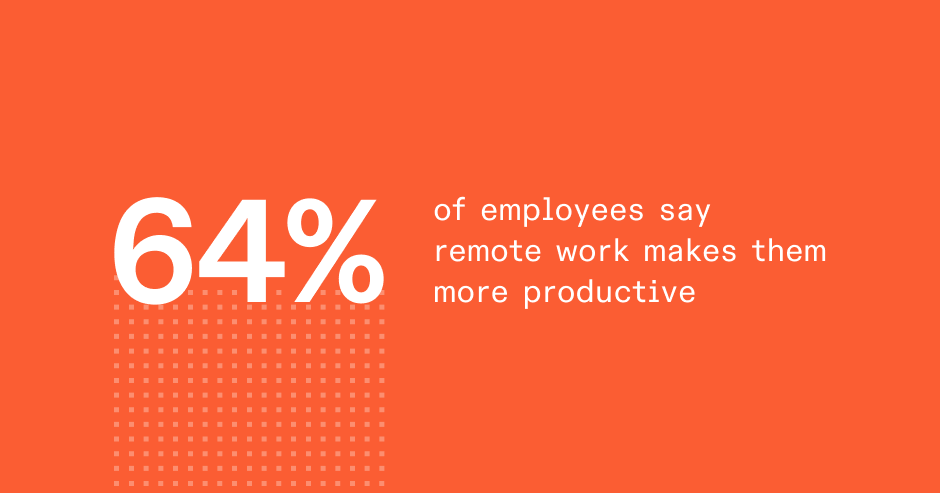
Employees who claim remote work makes them more productive (Source: Zapier)
6. Incorporate Remote Work Flexibility
The recent global shift towards remote work has proven its effectiveness in various industries. Global Workplace Analytics' study highlights that remote work can save companies around $11,000 per employee annually.
Embracing remote work flexibility can widen your talent pool, attracting top developers from diverse geographical locations. Offering remote work options also enables employees to achieve a better work-life balance, leading to higher job satisfaction.
Also read: 15 less-known benefits of hiring contractors globally
7. Provide the Right Tools and Infrastructure
Investing in modern tools and infrastructure is critical to a software development team's success. Teams that have access to high-quality hardware, efficient software, and a reliable development environment tend to outperform those that don’t. Research by Harvard Business Review indicates that 67% of development delays are directly tied to inadequate tools or infrastructure. By providing the right resources, you can boost productivity and ensure smoother workflows, allowing your team to focus on building innovative solutions.
Moreover, consider adopting cloud-based development environments, which are growing in popularity. A GitHub report found that 73% of developers now prefer cloud-based development tools due to their scalability and collaboration capabilities. Providing access to continuous integration (CI) and continuous delivery (CD) pipelines, code management platforms like Git, and task management tools can drastically reduce bottlenecks.
For further insights into productivity-boosting tools, see this article: 18 Indispensable Productivity Tools for Remote Development Teams.
8. Offer Recognition and Rewards
Recognition is a powerful motivator, and studies show that employees who feel appreciated are 20% more productive (Gallup). In a software development team, acknowledging the efforts of individual team members, as well as the collective success of the team, can foster a positive and motivating environment.
Recognition doesn't always have to be monetary. Research by SHRM indicates that 79% of employees feel more loyal to a company when they receive meaningful recognition, whether through promotions, bonuses, or simple words of appreciation.
Celebrating key milestones, such as the completion of major projects, hitting a sprint goal, or resolving complex issues, keeps morale high and drives further productivity.You can also use The QR Code Generator (TQRCG) to create scannable reward links for digital thank you cards, milestone badges, or exclusive team perks, making recognition feel immediate, creative, and personalized.
9. Address Conflict Proactively
In any collaborative environment, conflicts will inevitably arise. A MIT Sloan Management Review study found that unresolved conflicts can lead to a 25% drop in productivity within teams. This makes it essential to address issues quickly and impartially.
Leaders should foster open communication and encourage team members to share their concerns in a constructive way. Establishing conflict resolution mechanisms, such as one-on-one meetings or group discussions, can prevent small disagreements from escalating into bigger problems. Harvard Business School research also suggests that teams with proactive conflict management tend to have better cohesion and are 18% more likely to meet their deadlines.
10. Measure and Evaluate Performance
Tracking performance is vital for the continuous growth of your software development team. By regularly assessing the team's output and individual contributions, you can identify strengths and areas for improvement. According to DORA's State of DevOps Report, high-performing development teams are 2.5 times more likely to use performance metrics such as deployment frequency, lead time for changes, and mean time to recovery (MTTR).
Consider using a blend of quantitative (velocity, code quality) and qualitative (peer feedback, user satisfaction) metrics to get a holistic view of performance. This data can then be used to adjust processes, provide targeted training, or introduce new tools to enhance overall efficiency.
Periodic reviews not only offer insights into individual performance but also help in setting realistic goals and aligning team efforts with broader company objectives.
Also read: Best KPIs to Measure Performance Success of Software Developers
Building an effective development team requires a strategic approach, utilizing data-driven strategies, and implementing best practices to optimize performance and productivity. By prioritizing diversity, fostering collaboration, investing in continuous learning, embracing Agile methodologies, promoting employee engagement, and offering remote work flexibility, organizations can create a winning team capable of delivering exceptional software products.
Remember that every team is unique, and continuous monitoring and adaptation are crucial to meet changing project demands and evolving industry trends. By combining these data-backed strategies with a supportive and empowering work culture, your organization will pave the way for successful software development projects and create an environment where developers can thrive and innovate.