Among dozens of programming languages available, several stand out when it comes to cybersecurity solutions. And choosing the most relevant one can be an overwhelming task. Use this article to explore what programming languages you should have in your cybersecurity toolkit, their key applications in the field, and the jobs you can apply for.
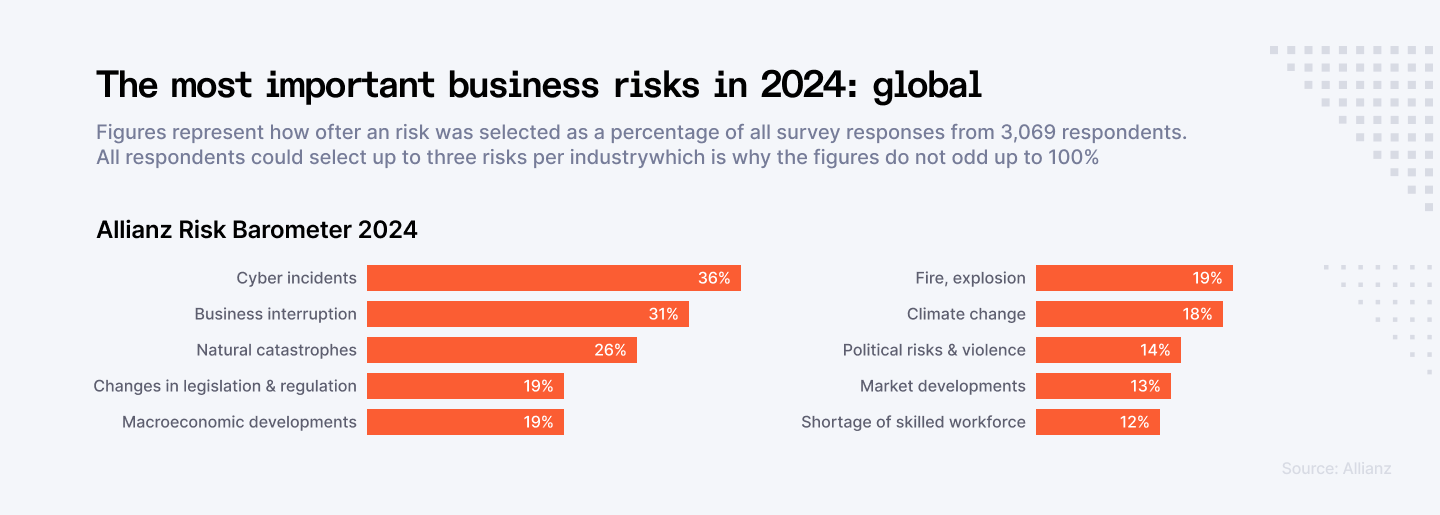
What Is Cybersecurity Programming?
Cybersecurity programming is a specialized field within software engineering that focuses on building software that prevent systems from cyber attacks. This field involves a wide range of computer science, including cryptography, network security, data structures and even artificial intelligence.
Cybersecurity programmers develop tools and applications that protect computer systems and devices from malware, viruses, and other harmful software. They also design systems to prevent unauthorized access to sensitive data, ensuring minimal bugs and vulnerabilities that could be exploited by hackers.
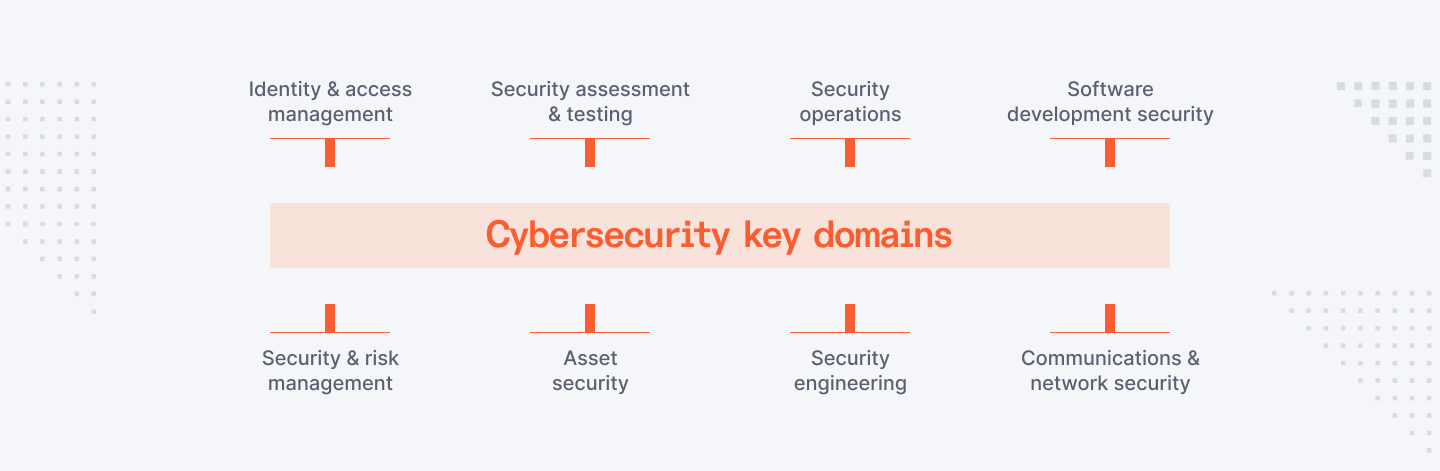
Key Cybersecurity Domains That Require Coding Skills
Security Operations:
- Threat Analysis: Programming is essential for conducting in-depth threat analysis, allowing security teams to identify complex threats and their potential impact.
- Log Parsing: Coding skills help security analysts extract critical insights from complex logs and detect subtle patterns.
- Response Strategies: Security teams can design customized response strategies for specific threats, improving their capability to address targeted attacks.
Penetration Testing:
- Custom Exploits: Programming is key for developing custom exploits designed for specific vulnerabilities, giving penetration testers a deeper insight into the target’s security weaknesses.
- Innovative Methods: Coding aids penetration testers to bypass security controls and identify novel attack vectors, ensuring a thorough assessment of the system.
- Adaptable Strategies: Programming enables testers to adapt their strategies on the go during penetration tests and adjust their approach as the target environment changes.
Malware Analysis:
- Behavioral Insights: Programming is key to building custom tools that analyze and understand how malware behaves, offering indispensable insights into its potential effects.
- Signature Generation: Analysts’ coding skills help them create custom signatures for malware detection, improving their ability to identify new and modified malicious code.
- Dynamic Analysis: Coding magnifies the dynamic analysis capabilities developing tools that replicate specific environments to observe malware behavior in real-time.
Incident Response:
- Effective Triage: Coding helps develop scripts and tools for efficient incident triage, allowing respondents to quickly evaluate the severity of security incidents.
- Forensic Analysis: Programming allows responders to conduct detailed investigations and extract critical information from digital evidence.
- Rapid Containment: Coding helps automate the containment of incidents, reducing the time between detection and response to minimize potential damage.
Network Security:
- Advanced Threat Detection: Programming helps develop advanced algorithms to detect complex threats in network traffic, providing an improved accuracy in threat identification.
- Behavioral Analysis: Coding skills enable security professionals to implement behavioural analysis techniques to spot unusual patterns in network activity, helping avoid potential security incidents.
- Dynamic Response: Programming skills helps develop flexible response strategies that adjust to changing network conditions.
Secure Software Development:
- Security Architecture Design: Programming skills ensure that security is built into every stage of the software development process.
- Custom Security Controls: Coding skills enable developers to implement custom security controls that meet the current security needs of the application, strengthening its resilience against threats.
- Threat Modeling: With programming, developers can conduct threat modeling exercises to identify potential vulnerabilities and weak points in the software design before deployment.
Essential Qualities for Programming Languages in Cybersecurity
Not all programming languages are suitable for cybersecurity solutions. The right language needs to be powerful enough to handle the complex algorithms required for effective security measures. Here are some of key traits that make a programming language a good choice for cybersecurity applications:
- Ease of Understanding: You may work with developers who have different levels of expertise with cybersecurity. A good programming language should allow team members to read and understand each other’s code without constantly referring to notes and retracting steps.
- Support Libraries: A programming language with robust support libraries is key, as these libraries provide ready-made functions, saving developers time from writing code from scratch.
- Simple Syntax: The syntax and semantics of the programming language should be simple enough that even junior developers can learn and use it without confusion. Overly complex languages lead to more bugs and vulnerabilities.
- Robustness: Robust programming language is resistant to bugs, crashes, freezing, and other issues. It ensures that a program continues to function properly even when minor issues arise, minimizing chances for the hackers to exploit a security lapse.
Top 10 Programming Languages for Cybersecurity Professionals
1. Python
Python’s simplicity, readability, and extensive library support make it one of the most widely used programming languages in cybersecurity. Cybersecurity professionals use it for tasks like network scanning, penetration testing, malware analysis, and automation of security-related processes.
Python Applications in Cybersecurity
- Network Scanning: Python's Scapy library helps security professionals create custom network tools for scanning and mapping network architectures.
- Penetration Testing: Python is popular for writing public exploits due to its simple syntax and ability to execute code without the need for compilation.
- Malware Analysis: Python is widely used for scripting and automating the analysis of malware samples.
Cybersecurity Jobs You Can Apply For
- Security Engineers: These professionals use Python to identify and fix system vulnerabilities and bugs.
- Penetration Testers: Known as ethical hackers, penetration testers use Python to gather information about target systems before conducting simulated attacks.
- Software Developers: Python is used by these professionals in writing code for web applications or automation tools like Selenium & Jenkins.
2. JavaScript
JavaScript is more just a frontend web development tool; it is widely used in cybersecurity as well. The rise of serverless architectures and the growing complexity of web applications, along with the increase in client-side attacks, make JavaScript an indispensable skill for cybersecurity professionals.
JavaScript Applications in Cybersecurity
- Web Application Security: JavaScript helps target vulnerabilities like cross-site scripting (XSS) and cross-site request forgery (CSRF).
- Browser-based Attacks: Security teams use JavaScript to both craft and analyze attacks that target web browsers.
Cybersecurity Jobs You Can Apply For
- Web Application Security Analyst: These professionals focus on evaluating client-side security and mitigating risks associated with web technologies.
- Security Engineer: These professionals are responsible for designing, implementing, and maintaining security systems, monitoring networks, and responding to security incidents.
- Software Developer: JavaScript is used by these professionals to improve existing systems and ensure they stay secure before deployment.
3. C++
C++ is a low-level programming language essential for developing secure systems, firmware, and applications. It is widely used in high-performance environments for writing exploits, reverse engineering, and developing secure code. Plus, it also excels at implementing complex algorithms, making it a top choice for cryptographic algorithms, encryption standards, and security protocols.
C++ Applications in Cybersecurity
- Exploit Development: Used to create exploits that target vulnerabilities in software, allowing security teams to test potential weaknesses.
- Reverse Engineering: Security teams use C++ to analyze and deconstruct compiled code, helping them identify potential security flaws.
Cybersecurity Jobs You Can Apply For
- Security Software Developer: These professionals are involved in developing programs, applications, and even operating systems, ensuring secure and reliable software. They may also be responsible for testing and debugging.
- Cryptographic Algorithm Engineer: These engineers use C++ to develop high-performance encryption and decryption processes that are critical for protecting sensitive data.
4. PHP
PHP is a server-side scripting language widely used in web development. In cybersecurity, it mainly serves for creating secure applications and identifying vulnerabilities in PHP-based web applications. Its syntax is similar to C++ and Java, making it accessible for developers familiar with those languages.
PHP Applications in Cybersecurity
- Web Application Security: PHP is used to identify and address security vulnerabilities in web applications.
- Server-Side Security: Security teams use PHP to protect server-side components of web applications, ensuring resilient backend processes.
Cybersecurity Jobs You Can Apply For
- Penetration Tester: These professionals hack into systems to find potential vulnerabilities that could be exploited by attackers. Penetration testing is often performed before a system or network goes live.
- Network Security Analyst: These experts protect the network from potential malware risks, blocking unauthorized access to data.
5. Ruby
A key feature of Ruby is its clean syntax and readability, which makes it a popular choice for scripting and automation in cybersecurity. It is frequently used to develop Metasploit modules and other penetration testing tools. Ruby's concise language structure, metaprogramming capabilities, and seamless database integration allow security teams to develop versatile attack tools quickly, manipulating critical information efficiently during penetration tests.
Ruby Applications in Cybersecurity
- Scripting and Automation: Ruby is essential for scripting and automating various cyber security tasks like automating vulnerability scans, managing security configurations, and performing repetitive security analysis tasks.
- Exploit Development: Ruby's ease of use makes it suitable for writing exploits and payloads, especially within frameworks like Metasploit.
- Incident Response Automation: Ruby can be used for incident response tasks, such as analyzing logs and automating response actions to security incidents.
Cybersecurity Jobs You Can Apply For
- Security engineers: These engineers use Ruby to automate security processes and integrate security measures into existing applications.
- Penetration testers: These professionals are responsible for creating and modifying scripts, developing exploits, and automating testing procedures to identify vulnerabilities in target systems.
6. Java
Java’s portability, platform independence, and robust libraries make it a preferred choice for developing secure enterprise applications. In cybersecurity, Java is commonly used to build server-side applications, perform security assessments, and build cross-platform tools on Java-based systems.
Java Applications in Cybersecurity
- Enterprise Application Security: Java is used to develop and secure large-scale applications, providing a robust layer of protection against threats across complex systems.
- Security Assessments: Java is essential for conducting thorough security assessments of Java-based systems, including web and mobile applications.
Cybersecurity Jobs You Can Apply For
- Application Security Engineer: These professionals develop secure enterprise applications, by identifying and mitigating vulnerabilities in the codebase.
- Security Software Developer: These developers design and build software solutions, including encryption tools and authentication systems.
7. Assembly
Assembly is a low-level programming language that is generally used to write code for hardware devices, create drivers for software applications, modify existing programs, and create new programs by compiling source code. In cybersecurity, Assembly is essential for reverse engineering, analyzing malware, and understanding low-level vulnerabilities.
Assembly Applications in Cybersecurity
- Reverse Engineering: Assembly is used for disassembling and interpreting compiled code, allowing security teams to identify vulnerabilities and malicious functionality within binaries.
- Malware Analysis: Assembly is essential for analyzing malware at the lowest possible level by examining CPU instructions to assess the malware’s behavior, trace its actions, and develop effective countermeasures.
Cybersecurity Jobs You Can Apply For
- Software Security Professional: These professionals analyze software to identify vulnerabilities and help develop patches to fix them.
- Digital Forensics Investigator: This involves uncovering evidence of cybercrimes committed on digital devices like computers or phones and networks.
- Information Security Analyst: This job involves safeguarding an organization’s sensitive information from theft and corruption, making the perfect choice for those interested in cyber defence and national security.
8. Bash/Shell
While not a traditional programming language, Bash/Shell scripting is commonly used in cybersecurity for task automation, system operation management and security assessments. This allows security teams to write scripts for tasks like scanning networks, managing logs, deploying security patches, and automating repetitive security checks.
Bash/Shell Applications in Cybersecurity
- Penetration Testing: Bash/Shell is essential for efficiently using Linux tools in penetration testing and security management.
- Automation: Bash/Shell improves operational efficiency, automating repetitive tasks like security scans, updates, and system monitoring.
- Log Analysis: Bash/Shell scripts automate the parsing and analysis of log files, facilitating the detection of potential security incidents.
Cybersecurity Jobs You Can Apply For
- Security Analysts: Monitoring security automatically, analyzing logs for potential attacks, and improving incident response processes are all part of this job.
- System Administrators: These professionals manage system configurations, automate routine maintenance tasks, and make sure security policies are constantly applied.
9. SQL
Structured Query Language (SQL) is crucial for cyber security professionals involved in database security. SQL is essential for identifying and exploiting database vulnerabilities and protecting databases for unauthorized access and SQL injection attacks. As data breaches often target databases, understanding SQL is crucial for securing sensitive information.
SQL Applications in Cybersecurity
- Database Security: Understanding SQL is key to implementing strong access controls, protecting data integrity from unauthorized access, and ensuring high confidentiality.
- SQL Injection Analysis: Security teams use SQL to mitigate SQL injection attacks and protect databases by analyzing SQL queries and implementing safeguards to prevent malicious commands.
Cybersecurity Jobs You Can Apply For
- SQL Developer: These professionals are responsible for building resilient database systems through implementing access controls, optimizing queries, and defending against SQL injections.
- Database Administrator: This involves implementing access controls, performing regular backups, and assessing security issues, making sure the organization’s database infrastructure runs smoothly and securely.
10. HTML
HTML is a key web programming language used to create and structure interactive web content, such as text, images, videos, and multimedia elements. In cybersecurity, HTML helps secure database systems through enabling encryption practices and protecting sensitive information. Knowing HTML is crucial for defending against attacks that exploit vulnerabilities in web content, including phishing scams or malicious links.
HTML Applications in Cybersecurity
- Web Application Security: Using HTML aids in identifying vulnerabilities like Cross-Site Scripting (XSS) and safeguarding web applications.
- Input Validation: Security teams use HTML forms and input fields to test how well a web application handles user inputs, preventing malicious entries that could exploit vulnerabilities.
- Phishing Detection: HTML helps in creating and examining phishing emails and fake websites.
Cybersecurity Jobs You Can Apply For
- Information Security Analyst: This involves identifying and analyzing potential security vulnerabilities and implementing new measures to improve overall security.
- Security Architect: These professionals design and implement strategies to defend computer networks against cyber attacks and create plans that mitigate those risks, such as using firewalls and encryption.
Wrapping Up
Professionals in programming languages like Python, JavaScript, Ruby, C++ or PHP are better equipped to handle the complex cybersecurity challenges. Whether it’s defending against threats, identifying malware, or securing enterprise systems, learning these languages will help you strengthen the resilience of digital ecosystems. Also, since cybersecurity is among the hardest-to-fill tech jobs, it can assist you in starting or advancing your career.

Skilled in Python, C++, JavaScript, or Bash? Join the Index.dev talent network and work remotely on high-paying cybersecurity projects in the UK and US!
Looking to fill your cybersecurity roles with high-performing engineers? Sign up on Index.dev and hire vetted cybersecurity professionals in under 48 hours with 30-days risk-free trial.
FAQs
What’s the best programming language to start with for cybersecurity?
Start with Python as it is easy to learn and widely used. Dedicate much of your time learning Python, but also get familiar with Bash, JavaScript, SQL, Ruby, or PHP through certifications. Don't stress about learning every language; getting comfortable with one or two is enough to succeed.
What programming language do hackers use?
Hackers often use C and C++. This is because they are low-level languages that allow them to bypass security measures and gain access to systems.
What’s the easiest programming language to learn for cybersecurity?
Python or JavaScript is a great place to start. Both are widely used in the industry, and plenty of resources are available to help you learn quickly.
Is cybersecurity harder than coding?
Yes! It requires more knowledge of the entire system and its components than just code itself.