The importance of AI Engineers and Machine Learning Experts increases significantly as businesses seek to utilize data to enhance efficiency and creativity in today's digital landscape. Predictions from Fortune Business Insights suggest that the machine-learning market will climb from $26.03 billion in 2023 to $225.91 billion by 2030 at an impressive CAGR of 39.2%. This exceptional growth emphasizes proficient individuals' need to design and execute AI technologies.
AI Engineers and Machine Learning Engineers operate in the same field but their duties and proficiencies vary. AI Engineers are dedicated to building intelligent frameworks capable of automating functions and facilitating better decision-making through artificial intelligence. Machine Learning Engineers excel in designing algorithms that allow machines to gain insights from data and forecast outcomes without needing specific instructions.
According to a LinkedIn survey artificial intelligence ranks among the top jobs as it has seen a 74% jump in job opportunities related to AI. This trend reveals the increasing significance of these roles and emphasizes the necessity for a clear comprehension of their different roles.
Building an AI-powered application? Hire senior AI and Machine Learning Engineers on the Index.dev platform and get 5 interview-ready candidates in 48 hours.
Understanding AI Engineers
AI Engineers practice in the area of artificial intelligence, and their job has to do with developing the methods by which intelligently adaptive systems can accomplish things that are often deemed as cognitively complex for human beings, today, and in the future. Because today, countless organizations are implementing artificial intelligence in their operations to enhance performance, they need individuals in AI engineering. In their global report, PwC also estimated AI could accrue between $6 - $13 trillion by the year 2030 showing why this field is strategic to business change.
Definition and Core Responsibilities
AI Engineers have various roles that have to do with the complete duration of AI projects. Their primary responsibilities include:
1. Designing and Implementing AI Algorithms and Models
AI Engineers develop algorithms that enable machines to learn from data and make decisions. Choosing the right machine learning frameworks gives one the ability to build models with the functionality to perform specific tasks like image recognition or natural language processing.
Developing AI Applications for Various Industries
They create programs for various industries including health care programs for diagnosing diseases and banking programs for forecasting market trends. The multifaceted nature of AI emerges in the broadening list of industries that engage these technologies. McKinsey notes that more than half of the companies have implemented AI in at least one organizational function.
Optimizing AI Systems for Performance and Scalability
The capacity for working with increasing amounts of data and demands must be viable for AI systems. Such modelling by artificial intelligence engineers continues to improve in terms of accuracy and speed with a considerable rise in data.
Integrating AI Technologies with Existing Systems
They make integrated implementation of new AI systems to current systems for efficient performance possible. Companies require such a combination so that they enhance their operations even without having to alter the overall technology framework.
Collaborating with Cross-Functional Teams
AI experts, therefore, often collaborate with software developers and analysts to link the accomplishment of their goals to the company’s mandate. Together it also allows for efficient operations that foster innovation and ensure that solutions are ideal for addressing real challenges.
Required Skills for Artificial Intelligence Engineers
Effective AI engineering entails the possession of several skills such as programming ability, mathematical knowledge, and practical experience with AI technologies. Global demand for AI solutions is growing at a constant pace and will reach $15.7 trillion by 2030; thereby, it is crucial to acquire the right skills to succeed in this sphere.
1. Strong Programming Skills
Python and C++ programming skills are essential especially when developing Artificial Intelligence systems. Many people have started using Python because this programming language is quite easy to comprehend and has many libraries suitable for employing data analysis and AI algorithms. As noted by the TIOBE Index, Python has remained relevant as one of the leading programming languages, with its usage increasing by 10 % over the last one year. In the field of applications for which performance and operational effectiveness are crucial, Java as well as C++ are significant.
2. Knowledge of ML Algorithms and Deep Learning Techniques
AI Engineers need to know the different kinds of algorithms and deep learning techniques which they apply. One must know about supervised and unsupervised learning techniques and new age models such as CNN and RNN. The report from Data Science Dojo adds that this is important because most AI applications hinge on these algorithms.
3. Understanding of Data Structures, Algorithms, and Software Engineering Principles
One of the most critical aspects when working with AI models is increasing awareness of data structures and algorithms for improving the models or data handling. AI Engineers create robust algorithms for data management through software engineering knowledge; Upwork survey established that 70% of employers preferred employees who demonstrated excellent in software engineering.
4. Familiarity with AI Frameworks and Libraries
AI frameworks require tools like Keras and TensorFlow and, thus, mastery of these tools is essential for creating such frameworks. These libraries contain preprogrammed procedures that make it easier to write advanced algorithms. As mentioned by Simform, Python's well developed library community is often used in many AI initiatives. Familiarity with these tools will go a long way to reducing the time required to develop models and enhancing the outputs.
5. Problem-Solving Abilities and Creativity
AI engineers need robust analytical thoughts and creativity to construct innovative solutions to complicated issues. To come up with effective solutions for certain business problems, IT is important to critically evaluate data and algorithms. According to Data Science Dojo, employers in the usage of AI, have noted creativity in thinking as some of the attributes sought in employment.
Explore More: How to Deploy AI Models Efficiently in 2024
Understanding ML Engineers
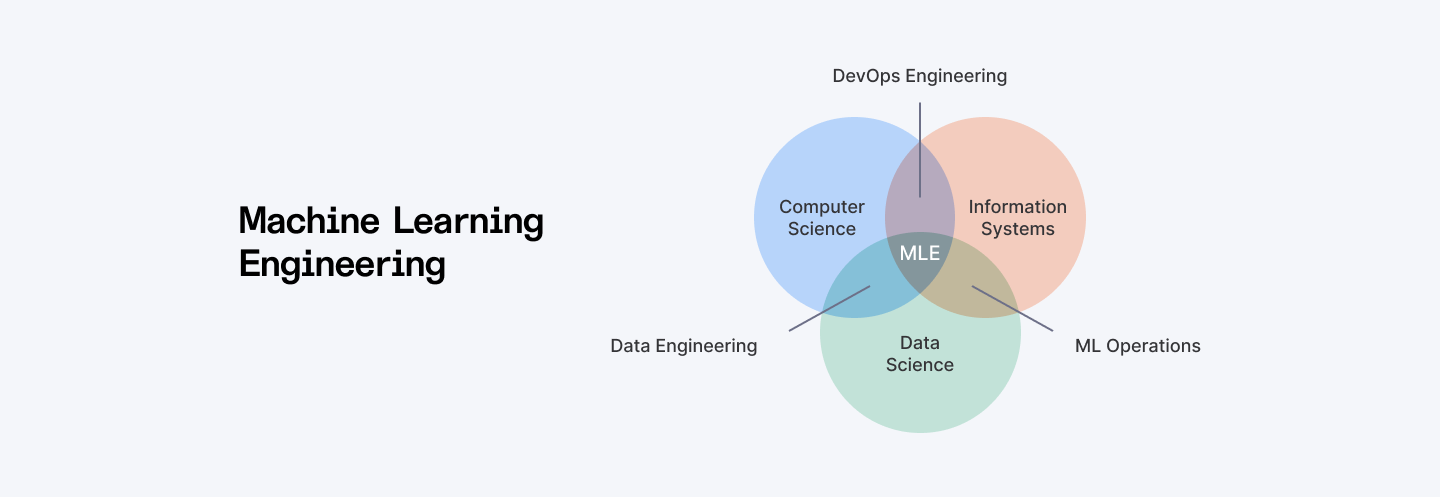
In the realm of artificial intelligence MM Engineers are vital participants who concentrate on creating frameworks that can gather insights from data and boost their capabilities through adaptation. With growing dependence on data analytics by organizations the importance of ML Engineers has risen in creating efficient and scalable machine learning systems. The World Economic Forum predicts a remarkable rise in the need for machine learning abilities over the next few years.
Definition and Core Responsibilities
Machine Learning Engineers have many tasks which concern the whole workflow of developing and deploying machine learning models. Their primary responsibilities include:
Developing and Optimizing Machine Learning Models
The role of ML Engineers is to develop specific and unique machine learning models that are required by companies. They experiment with several approaches and methods of achieving higher model accuracy and better performance. According to Gartner’s estimates, the use of such machine learning produces an approximate 20% increase in business operations’ effectiveness.
Designing and Implementing Data Pipelines for Machine Learning
One important element of their responsibilities is to build reliable data pipelines that facilitate data collection and model training. Data preparation techniques such as cleaning and creating features plus transformation steps are essential. According to IBM data pipelines can decrease the time required for data preparation by a significant 70%.
Deploying and Maintaining Machine Learning Models in Production Environments
Once models have been developed it is the responsibility of the ML engineers to manage the models as they are deployed in real-world applications to support real-time applications. This task is to incorporate the models with existing infrastructure and to check the functioning of all in different scenarios. From Algorithmia’s survey, a whopping 83% of organizations struggle to implement machine learning models mainly because of obstacles.
Collaborating with Data Scientists to Ensure Accuracy and Effectiveness
As discussed earlier, the performance of a model is analyzed by the ML Engineers and Data Scientists, while corrections are made depending on the feedback received. This is because closely partnering enables model improvement as well as attaining business targets.
Optimizing Machine Learning Systems for Performance, Scalability, and Efficiency
Optimization becomes a necessity when the amount of data rises and requirements for applications change over and over again. Common techniques for increasing system throughput include changing hyperparameters and reducing model complexity, all of which are performed by an ML Engineer to improve scaling.
Required Skills for Machine Learning Engineers
Quite several skills are needed despite the job title being specific, and these include; Businesses continue to integrate new uses of machine learning technologies, which are projected to reach a market value of $117bn by 2027, so the need for proficient ML Engineers persists.
Here are the key skills required for success in this role:
1. Proficiency in Programming Languages
Python and Java are key languages when it comes to undertaking machine learning engineering skills that are vital in the competitive market. Due to its less complex structure together with available libraries like TensorFlow and Keras, the primary choice goes to Python. Technology knowledge, as well as growth in civil usage, has enabled Python to maintain its position among the ranking programming languages in the TIOBE Index, and it has registered a 10% increase from last year.
In use-case applications Building analytical tools that utilize Apache Spark tools Scala is quickly growing in terms of popularity because of the good handling of giant data sets. Scala supposedly can be up to 10 times faster than Python; therefore, it can work well in big data jobs.
2. Knowledge of Machine Learning Frameworks and Libraries
Being familiar with the machine learning tools and frameworks is crucial for ML Engineers. With TensorFlow and PyTorch people can readily develop and optimize complex models. GitHub research shows that TensorFlow is used as a preferred framework in machine-learning projects by developers.
3. Understanding of Big Data Technologies
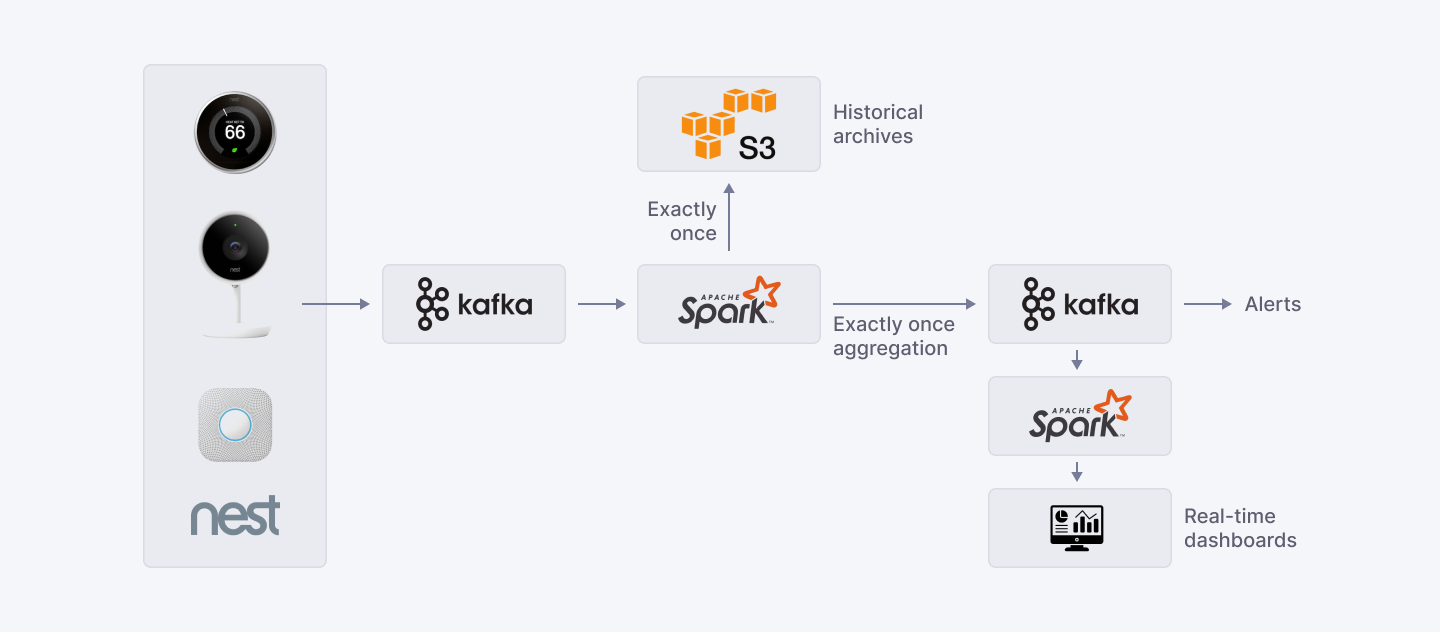
Several technologies like Hadoop, Spark, and Kafka that are on the horizon today deserve ML Engineers’ attention. These tools are highly useful in the management and processing of big data and the coordination of distributed processing tasks. According to a report from Databricks, Apache Spark users can process data 100 times faster than traditional methods.
4. Familiarity with Cloud Computing Platforms
It has become crucial for ML Engineers to gain knowledge about cloud computing tools like Amazon Web Service (AWS) and Azure. Such systems set the groundwork that is required for deploying machine learning solutions in high volumes. According to an analysis of Gartner data, more than 70% of the companies are implementing cloud services for machine learning applications moving towards the cloud significantly.
5. Strong Data Engineering Skills
Great data engineering abilities are paramount for creating and maintaining data conduits leveraged by machine learning networks. It is essential to comprehend approaches to main data quality and its availability for usage in data preprocessing. IBM learns that those organizations that are investing in robust data engineering are likely to reduce data preparation to about 30%. This leads to freeing up time for the ML Engineers to use most of their time in model creation rather than data changes.
Explore More: Generative AI Architecture for LLM Applications
Comparing AI Engineers and ML Engineers
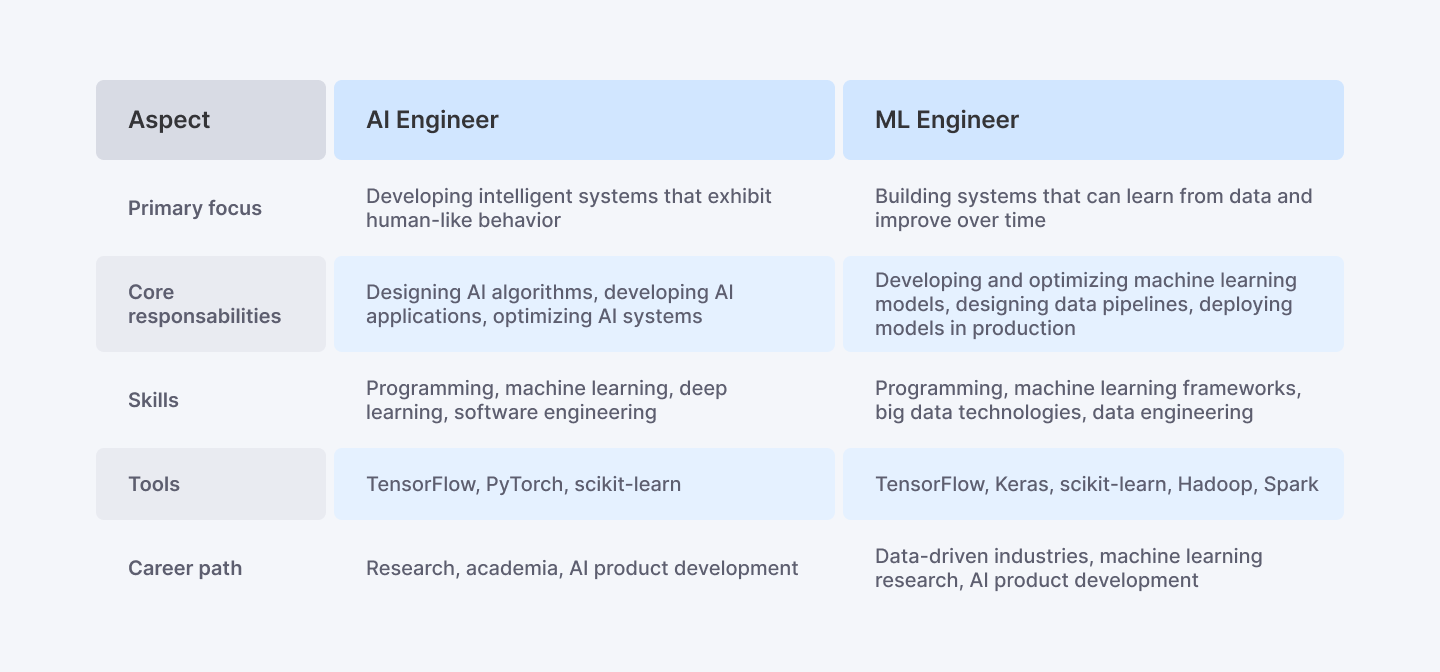
Aspect | AI Engineer | ML Engineer |
Primary Focus | Developing intelligent systems that exhibit human-like behavior | Building systems that can learn from data and improve over time |
Core Responsibilities | Designing AI algorithms, developing AI applications, optimizing AI systems | Developing and optimizing machine learning models, designing data pipelines, deploying models in production |
Skills | Programming, machine learning, deep learning, software engineering | Programming, machine learning frameworks, big data technologies, data engineering |
Tools | TensorFlow, PyTorch, scikit-learn | TensorFlow, Keras, scikit-learn, Hadoop, Spark |
Career Path | Research, academia, AI product development | Data-driven industries, machine learning research, AI product development |
Collaboration and Overlap
AI and ML engineers have specific responsibilities most of the time their work intersects and requires cooperation. Machine Learning Engineers use algorithms that they develop to build systems that AI Engineers base their work on. While it is the same, ML Engineers should understand the broad view of AI to create efficient Machine Learning models. In several firms, people prefer to divide work and coordinate their efforts to address various complex issues they encounter.
Read More: Exploring Falcon AI: Architecture, Deployment, and Product Applications
Both, AI Engineers and ML Engineers are important for the creation of intelligent systems, however, AI Engineers are more focused on realizing intelligent systems while ML Engineers’ main tasks consist of using intelligent systems but are more responsible for the algorithms and their implementation within the system. AI Engineers are more centred around the effective creation and rollout of AI algorithms and models. In contrast, on the other hand, ML Engineers are more about building systems based on Machine Learning to learn to get better through increased use of data. Knowledge of these differences is relevant when deciding on a specialization for a career or inculcating desirable characteristics into organizational teams and projects in the context of a growing field of AI.
The field of artificial intelligence (AI) is vast, encompassing various roles with distinct skills and focuses. While both AI and Machine Learning Engineers utilize AI principles, their responsibilities often differ.
Focus:
- AI Engineers concentrate on building and deploying entire intelligent systems. This includes areas like knowledge representation, natural language processing, and computer vision, along with integrating various ML algorithms. They act as the architects of complex AI solutions.
- Machine Learning Engineers are specialists in developing and applying machine learning models. Their expertise lies in data analysis, model training, optimization, and evaluation. They are the engine that drives intelligent behaviour within AI systems.
Expertise:
- AI Engineers require a broader understanding of AI concepts and techniques, alongside software development skills. They need to be able to understand and integrate various AI subfields.
- Machine Learning Engineers focus heavily on statistics, mathematics, and deep learning frameworks. They are the data wranglers and model tuners who ensure optimal performance.
Choosing the Right Role:
The ideal role depends on your interests and career goals. Do you enjoy designing complete AI systems and overseeing all components, or are you drawn to the intricacies of model development and optimization? Evaluating your preferences will help you choose the path best suited for you.
Do You Need AI or ML Engineers?
Looking to bring your next AI project to life? Whether you require the expertise of a skilled AI Engineer to architect your intelligent system or a senior Machine Learning Engineer to develop robust models, Index.dev can connect you with expertly vetted talent in just 48 hours. Post a job description and discuss your project needs today!