Let’s be real. Getting a tech job in 2025 isn’t just about coding faster, learning the latest framework, or keeping your current skills sharp, it’s about strategy. It’s about positioning yourself as someone who not only keeps up but stands out.
That means learning in-demand technologies, earning certifications that prove your expertise, building meaningful relationships in the industry, and even stepping up as a leader.
Whether you’re a front-end developer sharpening your current skills or someone diving into emerging fields like cloud computing, AI, cybersecurity, or DevOps, the secret lies in one word: growth.
With the right mindset and actions, you can win that competitive edge. Here are five practical, expert-backed tips to help you stand out and get a job in tech in 2025.
Looking to shift to a high-paying remote tech career? Join Index.dev and connect with top global companies!
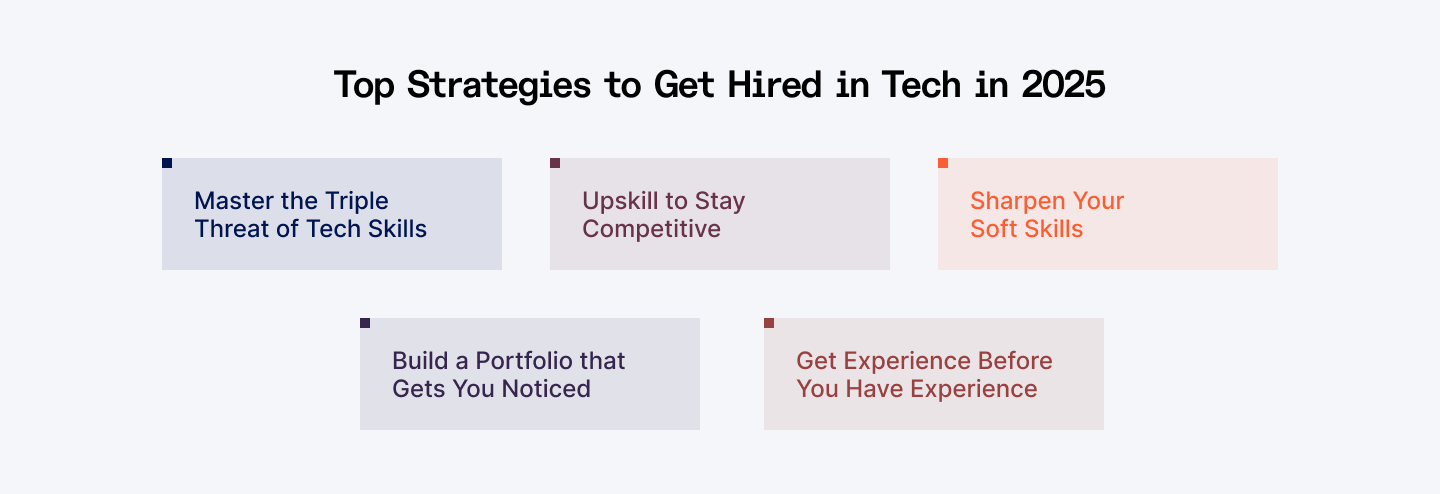
1. Master the Triple Threat of Tech Skills
In 2025, it’s not enough to just be competent at writing code. The software engineers who truly stand out are those who can see the bigger picture and contribute at every stage of building, delivering, and shipping a product. You will need a unique combination of skills what I like to call the “Triple Threat”—a blend of three critical aspects:
- Technical Expertise: This is your foundation. It includes a prodigious command of algorithms, data structures, and programming languages, as well as high-level knowledge of relevant frameworks. A backend developer who not only understands APIs but can also optimize database performance will always stand out.
- Industry Knowledge: Knowing the specific sector you're working in is just as crucial as technical know-how. Let’s say you’re fintech developer for a fintech startup—knowing how payment gateways, compliance regulations, or blockchain technology work gives you a massive competitive edge.
- Functional Expertise: Your skills go beyond individual tasks here. It's about having a broader grasp of organizational roles and responsibilities. For example, a DevOps engineer who can design CI/CD pipelines while also improving cross-team collaboration makes themselves a highly-valued member of any team.
It’s not about ticking boxes anymore. It’s about creating value in ways that ripple through the entire organization. So, invest in all three areas, and you’ll be the kind of engineer every company wants on their team.
2. Build a Portfolio that Gets You Noticed
It’s your chance to show—not just tell—that you can tackle real-world problems and deliver results from day one. A great portfolio tells the story of your growth and highlights your versatility as a programmer.
Employers want proof of applied skills. They want to see how you’ve:
- Worked solo
- on challenging problems
- Participated in a hackathon
- Attended a boot-camp
- Learned tools, editors, and frameworks on your own.
A killer portfolio will look like this:
- Have Side Projects: Build something that demonstrates your passion for coding—a tool, an app, or even a simple script. Make sure it’s polished and demonstrates creativity.
- Contribute to Open-Source: Platforms like GitHub are goldmines for collaboration. Your contributions show initiative and your ability to work in a team.
- Earn Certifications: Specialized certifications in emerging technologies like edge computing, AI, or DevOps can unanonymize your profile.
- Document Everything: Include academic projects, individual experiments, and even hobby projects, all things that can show you’re a well-rounded software engineer who is not afraid to try out everything and build stuff on the side.
Your portfolio should act as the "proof" to your résumé’s "promise." For example, if your CV says you’re skilled in Python, your portfolio should include a project that demonstrates your ability to solve complex problems with Python. It’s not just about listing projects, it’s about showing what kind of developer you are.
Additionally, you may not fully meet all job requirements, so make sure to adapt your resume to fit the role. When customising your resume for a specific position, ensure that any relevant parts of your portfolio are also updated to match the role.
Explore More: Top 13 Highest Paying Tech/IT Certifications
3. Upskill to Stay Competitive
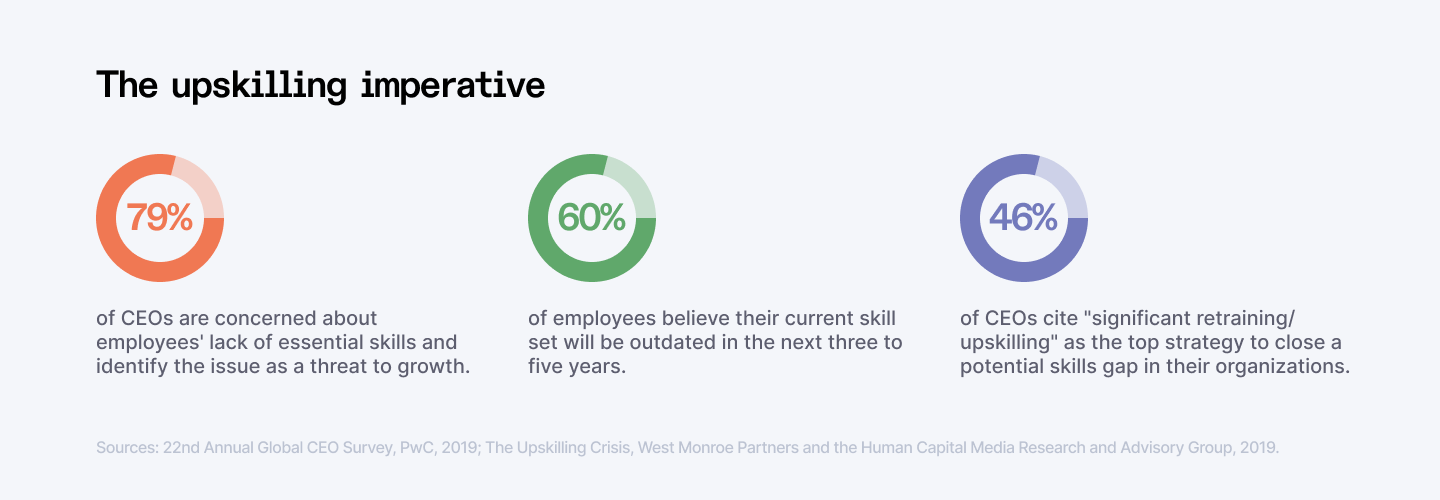
Gartner says generative AI will require 80% of the engineering workforce to upskill by 2027. The good news? AI isn’t here to replace developers—it’s here to make them more productive. But the engineers of tomorrow will need to merge traditional tech skills with new competencies in AI, machine learning, blockchain, and even quantum computing.
The reality is this: technology constantly evolves, and so should you. The most successful developers are those who upskill. Those who stay curious, keep learning, and adapt to new trends in the name of the game.
So, how do you start upskilling? Here are a few tried-and-true strategies:
- Take Online Courses and Programs: Platforms like Coursera, edX, and Udemy offer courses in everything from AI to blockchain. For something practical, check out free programs like Forage, where you can simulate real-world work tasks from top companies.
- Build Passion Projects: There’s no better way to learn than by doing. Pick a challenging problem, dive in, and solve it—not because you have to, but because you want to.
- Join Hackathons and Meetups: Hackathons push you to think on your feet and build under pressure, while meetups connect you with like-minded professionals. Both are invaluable for skill-building and networking.
- Stay Informed: Follow tech blogs, news, and videos to keep up with the latest developments. Staying informed helps you spot trends and opportunities before they become mainstream.
Skills matter, but delivering value matters more. The best developers don’t just write code—they think about its impact. They see the bigger picture. So, always ask yourself: How will this interact with other components? How will it scale? How maintainable is it?
4. Get Experience Before You Have Experience
It’s the classic catch-22: how do you get a job that requires experience if you don’t have any yet? While it can feel as a frustrating paradox, there are creative ways to break this cycle. Here’s how:
- Internships: Build skills, gain hands-on experience, and grow your network. Whether it’s with a global enterprise or a scrappy startup, internships give you a front-row seat to real-world tech projects—and often open doors to full-time positions.
- Externships: Unlike internships, externships are shorter and more focused. You’ll shadow a professional, observe their day-to-day work, and gain valuable insight into specific roles.
- Volunteering: Many nonprofits and tech initiatives are eager for volunteers with technical skills. Contribute to meaningful projects, build your portfolio, and make a difference—all while gaining valuable experience.
- Freelancing: Got spare time? Use it to freelance and get paid while building your expertise and reputation in the field. Platforms like Upwork, Fiverr, or Toptal can help you find projects that match your skills.
- Job Simulations: Use programs like Forage for free job simulations that mimic real-world tasks at top tech companies. Practice essential skills in various tech roles and even improve your chances of landing a role at the companies offering them.
Experience doesn’t always mean a 9-to-5 job. What matters is showing potential employers that you’ve applied your skills in real-world work.
Read More: 10 Best Toptal Alternatives Worth Trying
5. Sharpen Your Soft Skills
Forget the stereotype of tech jobs being all about coding in isolation. The reality is quite the opposite. Landing a job in tech often hinges on your ability to connect, communicate, and collaborate.
Soft skills—those personal traits that help you work harmoniously with others—are becoming just as critical as technical expertise. Here’s why: building quality products requires seamless teamwork, clear communication, and a shared vision.
It doesn't matter whether you're coordinating with your manager, presenting ideas to stakeholders, or syncing with your teammates, how you interact with people is really what counts. The better you are at connecting with others, the stronger your impact will be.
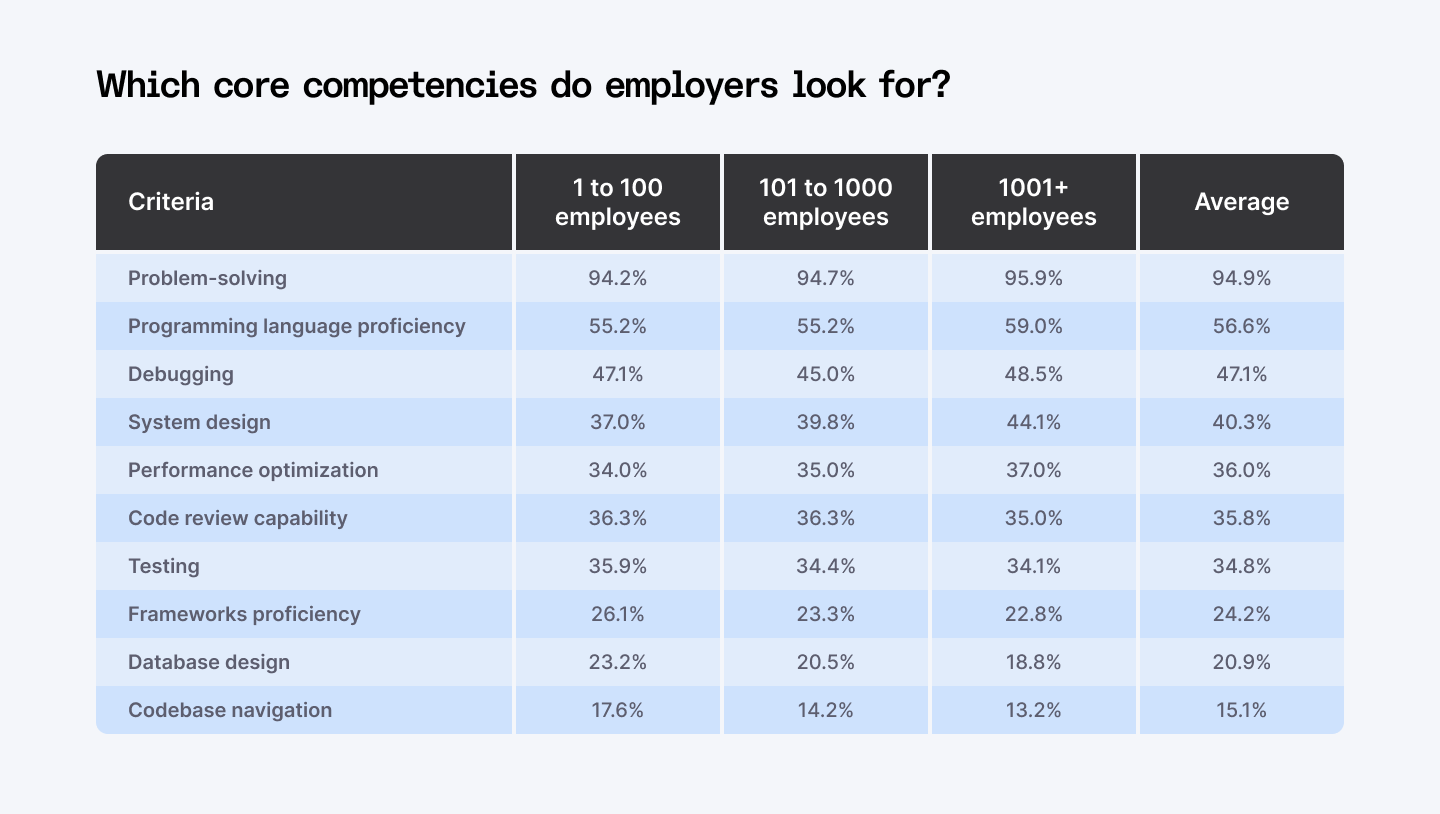
Soft skills aren’t just the "nice-to-haves" anymore. Employers are looking for developers who can:
- Adapt quickly to change and embrace agility.
- Communicate effectively with both technical and non-technical teams.
- Collaborate to solve complex problems.
- Stay proactive by taking ownership and contributing ideas.
Also Read: 6 Tips to Master Your First Developer Interview
Final Thoughts
Remember, your first job—or even your next one—doesn’t have to be your forever job. It’s a stepping stone, a chance to get something solid on your resume, learn the ropes, and grow. The key is to stay authentic and keep your options open.
You might come across opportunities you’re unsure about, and that’s okay. Some companies you’re excited about may exceed your expectations, while others might not. On the flip side, those roles you were hesitant about could turn out to be exactly what you need.
Keep applying. Take the interviews. Every conversation, every rejection, and every “yes” will teach you something valuable. So, never stop moving forward and the rest will fall into place.
For Developers:
Ready for a high-paying remote tech job? Join Index.dev and connect with top companies hiring skilled developers like you!
For Clients:
"Need skilled tech talent? Hire fast with Index.dev and access a global network of vetted developers ready to deliver from day one.