
Building a high-performing team with senior developers should be the ultimate goal for a knowledgeable manager. But leading a team of senior developers requires a completely different approach. There are just more effective ways of working with skilled developers than telling them what and how to do. It should involve balancing support and ownership, fostering a collaborative environment, and giving them space to make decisions.
Establishing a clear purpose and set of principles, you can really build a cohesive team of seniors who can really thrive and contribute to the organization’s success.
In this article, we’re sharing key strategies and hacks that can help you effectively lead a team of senior tech professionals by managing their talent, potential, and growth.
Looking for senior remote developers? Index.dev connects you with 15,000+ vetted software engineers ready to work on your most challenging projects. Hire in under 48 hours!
1. Reduce Interview Friction
Remember, senior engineers hate coding interviews. If you want to bring them on the team, you should stop asking them coding interview questions, especially those from niche industries and a tight labour market.
You may wonder how I know if they can code? Providing a short take-home assignment, which takes no more than an hour to complete, might be an alternative. Doing so eliminates the preparation time required with a coding interview and better fits into their busy schedule. The take-home assignment allows you to gain insight into what makes those senior applicants tick:
- Is their code readable and well-structured?
- Do they think comprehensively about testing?
- Do they care about the quality of the submitted work?
Although coding interviews are a popular and objective way to assess developer’s skill set and proficiency, they are often a source of dread. Here are a few reasons why typical coding interview put software engineers at a disadvantage:
They take a lot of prep time:
To fully prepare, developers need to commit a lot of time. For example, they must memorize algorithms and practice problems that they won't be faced with on the job.
They focus less on coding competency:
A Microsoft and North Carolina State University study found that coding interviews are not an accurate representation of a senior engineer's abilities and proficiency. The main responsibilities of senior developers are to mentor junior developers, identify systemic problems, debug complex issues, and understand product’s business logic. These skills are not adequately evaluated with a live coding interview.
They push senior developers to work differently:
Coding interviews abruptly pulls senior engineers out of their comfort zone and puts them at a disadvantage. They are expected to code under time constraints and tackle problems that have nothing to do with their everyday work. Plus, they often are asked questions that are more suitable to junior or mid-level programmers.
Explore more: Decoding the Differences: Senior vs. Lead Developer
Alternatives Methods to Assess Their Skills
Beyond live coding interviews, there are plenty of methods you can use to assess their skills. Here are some suggestions:
- Technical Discussion: Go far beyond asking the applicant to solve a coding problem. Discuss a challenge they faced in their previous work and what solution they’ve found to help them cope with it.
- Portfolio Review: Ask for code samples that the candidate has written in the past, to check out their coding style, their approach to problem-solving, and their creative thinking in tackling complex problems.
- Pair Programming: Pair program them with a more junior developer on the same codebase. This will help you understand how they approach coding and problem-solving and how they interact with others. Think of it as the ultimate ‘learn by doing’ experience with real-time feedback and knowledge sharing.
2. Give Them Space to Make Decisions
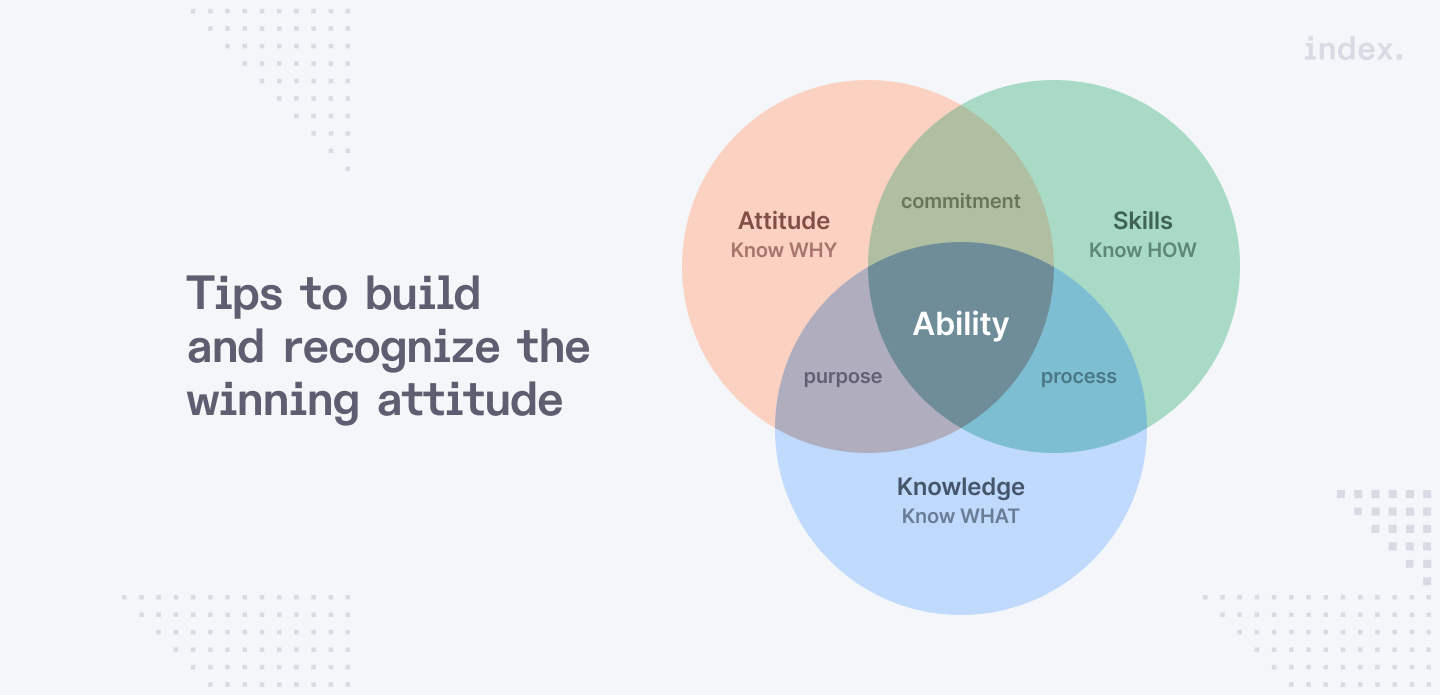
Senior developer you hire should be a mix of tech/soft skills, knowledge, and attitude. Therefore, they should know what to do, how to do it, and why they do it. So, rather than giving them orders, provide them clear expectations. Give them a challenging problem to solve, provide ownership, and expert some specific KPIs to be met.
Before diving into a problem or a challenge, try to get answers to the following questions first:
- What is the problem we are trying to solve?
- What are the key facts that highlight the problem?
- What are the fundamental causes of this problem?
- Who is impacted the most by this problem?
- Is addressing this problem worthwhile, and does it align with our strategy?
- What solutions are available and which ones are the most effective?
Tackling these questions with your senior developers will bring you needed perspective. Once you assign them the problem and expectations, give them the space to make decisions. By going this way, you show that they have complete ownership to figure out how to achieve those expected results. Plus, it helps them become more confident in their decision-making process.
Easier said than done. Don’t fall into the micromanaging trap. By micromanaging, you don’t put the full potential of your software developers to work and you become a bottleneck since they will be dependent on your instructions. Instead, try a different approach. Build a clear understanding of your software developer’s strengths, weaknesses, interests, area of expertise and offer additional support for tasks outside their usual scope. For instance, if they want to learn about a new language or framework, show your support and give them the opportunity to do it. By doing this, you will offer the right opportunity to make meaningful contributions and encourage their development.
3. Prove You Can Support Them
Even if senior developers may require less technical guidance, they still rely on your assistance. To prove you’re there for them, nail your 1:1s meetings. Bring structure and clarity to these sessions, as well as make them feel comfortable and valuable members of your tech team. Here are 3 crucial tactics you may follow:
Ask questions:
Even the ones that might seem basic. It is typical for senior developers to be short and concise, and they may not reveal areas where you can provide assistance. When this happens, shift the focus to their plan for completing specific tasks in their pipeline. Thus, ask about the approaches they’ve used to implement a new feature. Inquire about their biggest challenges over the past week or how you can assist them in their processes or if you still need to provide assistance.
Take action:
As they answer your questions, offer helpful feedback or support if it's appropriate. Additionally, submit any action item for yourself and ensure you follow them rigorously.
Follow up:
Consistently follow up on their needs. This will prove they’re key players on your team and you genuinely care about their success.
Leading Principles
To keep your software developers aligned with your company vision, promote a principle-based leadership style. These principles emphasize a framework for effective decision-making and pursuing the broader company’s strategy. Here are a few principles you may use to inform decision-making across a range of projects:
- Google’s “Focus on the user and all else will follow” and “Great just isn’t good enough” inspires software developers to prioritize intuitive and accessible products.
- Amazon’s “Have backbone, disagree and commit” and “Invent and simplify” encourages developers to ensure the product they build meets its intended goal.
Don’t let this stop from creating new principles for your tech team. In a startup, this is an opportunity to lead by example and have an impact on the entire organization.
Go global, go remote. Expand your talent pool with Index.dev. Access a worldwide network of senior developers, ready to contribute to your next project.
Key Differences Between High-Performing and Low-Performing Managers
High-performing teams reported having leaders with strong behaviors across company vision, communication, supportive leadership, and recognition. No matter how skilled your developers are, there are some universal practices you should follow as a leader. Here’re are some of the key traits that distinguish a high-performing manager from a low-performing one:
High-performing leaders:
- Challenge and grow developers and fill gaps with talented engineers.
- Focus the team on outcomes, not just inputs.
- Make team members feel valued, motivated, and highly-productive.
- Allocate resources to the most impactful projects.
- Develop a deep understanding of the problems to build the best solutions.
- Improve developer experience, align tech stack with product strategy, and set tech standards and KPIs.
Low-performing leaders:
- Micromanage – assign tasks without allowing for collective decision-making.
- Fail to understand the real problems that need to be solved.
- Ignore expectations, neglect skill development, and overlook impactful initiatives.
- Act as gatekeepers, not enablers: Instead of finding solutions, they hold back the team.
Explore more: Hiring High-Performing Developers vs Average Developers
Wrapping Up
In the tech world, the distinction between merely managing and truly leading has never been more important. Guiding senior engineering talent may seem challenging, especially if those guys are more skillful than you. However, the key lies in building trust. By building trust, empowering your team, and establishing clear purposes and principles, you can create a work environment where senior professionals can significantly contribute to your project's success. Remember, the goal is to turn great ideas into reality, and with the right people and leadership approach, you can truly achieve this.
For Companies:
If you're looking to hire expertly-vetted software developers, register with Index.dev and receive 2 to 5 candidates for any role within just 48 hours.
For Developers:
If you're a senior developer looking to build a remote career, join the Index.dev network and work on leading projects in the UK, EU, and US.


