When trying to improve productivity, pushing for a high velocity might be the wrong move. These metrics need to be considered holistically to get a clear picture of your team’s efficiency. “Pushing a team to drastically increase their velocity [makes] no sense,” writes one blogger. “It could be more costly in the end because it can lead the team to cut corners on acceptance testing, skip fixing bugs or minimize refactoring just to reach the velocity.”

There is a fine line between maximizing productivity and heading toward employee burnout. Here are some ways to improve productivity in your agile sprint without damaging employee morale or increasing error rate. Here's how to improve scrum team productivity:
Measuring Productivity Without Burnout
Productivity in Scrum teams should extend beyond velocity. Metrics like team satisfaction, defect rates, and time to market offer a more comprehensive perspective of efficiency. Regular team health checks, like questionnaires or anonymous feedback sessions, may assist assess morale and detect potential burnout issues. Defect density, a measure of code quality, ensures that teams meet high requirements without making shortcuts. Time-to-market metrics demonstrate the team's ability to produce value quickly.
To ensure long-term habits, foster a work-life balance culture. Encourage regular pauses, offer mental health services, and avoid overloading sprints with unattainable goals. These measures not only protect employees' well-being, but also assure long-term productivity. A happy, motivated team is significantly more productive than one that has been driven to the edge.
Encourage Continuous Learning and Growth
Fostering a learning culture is a tried-and-trusted method for increasing Scrum team productivity. Encourage team members to earn certifications, attend workshops, or take online courses to improve their technical and soft abilities. Set aside time during sprints for knowledge-sharing meetings, in which engineers can showcase new tools, coding methodologies, or lessons gained from previous projects.
Retrospectives provide another fantastic chance for advancement. Use them to detect process inefficiencies and develop changes together. Pair programming and mentorship programs can assist junior developers learn from more experienced team members, resulting in faster skill growth and team cohesiveness. Investing in continual learning enables your team to adapt to new challenges and innovate successfully.
Hybrid Collaboration Strategies
Hybrid teams, which include remote and in-office personnel, may achieve outstanding productivity with the appropriate techniques. Set up clear communication channels, such as Slack or Teams, to guarantee smooth cooperation. Schedule overlap hours so that all team members, regardless of location or time zone, may discuss crucial updates.
Remote and onsite developers can collaborate using tools such as Miro for brainstorming and Confluence for documentation. Encourage inclusion by promoting asynchronous communication for non-urgent concerns, which allows all members to contribute regardless of time zone. To increase participation, regularly swap sprint planning or demo meetings between remote and in-office participants. Hybrid teams may be agile and efficient when their workflows are balanced.
Overcoming Common Remote Team Challenges
Remote teams frequently confront challenges such as time zone disparities, communication breakdowns, and cultural misunderstandings. To address these concerns, put in place strategies that promote alignment and inclusion. Use the "follow-the-sun" strategy for handoffs to keep work moving across time zones. Ensure that team members have access to technologies such as Zoom, Jira, or Asana to stay connected and organized.
Set clear expectations for response times and work hours. Use visual boards such as Trello to offer insight into task ownership and progress. Provide cross-cultural training to help team members understand and trust one other. Finally, plan virtual team-building exercises to improve relationships. Addressing these difficulties ahead of time ensures that remote teams remain effective and cohesive.
Keep the Team Small
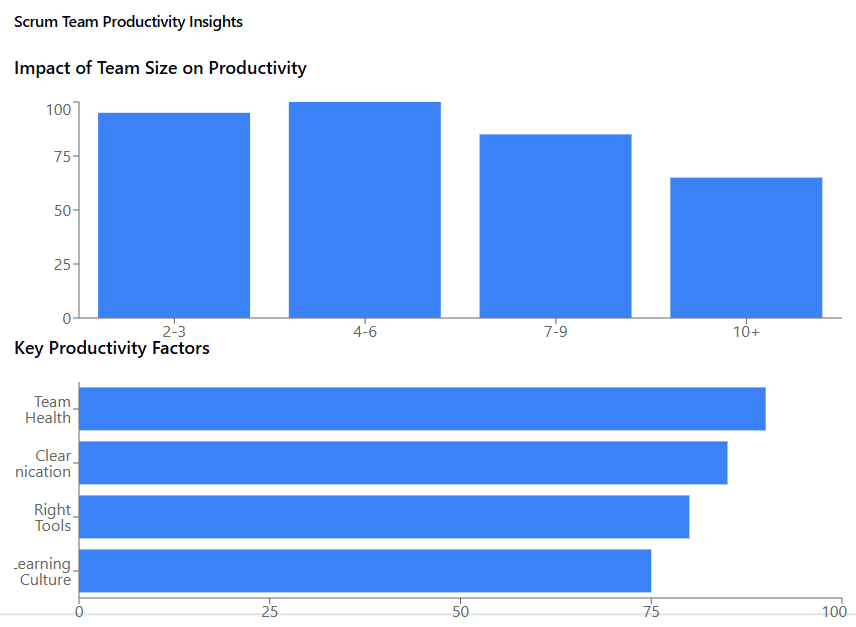
The philosophy between agile development is in the name: agile means being able to move quickly and easily. The best way to stay agile? Keep your developer teams limited to three to nine people. “Working with a big team with Scrum is not a good idea. The more you do, the more people will lose information and the more effort required to make everyone aware of everything that is going on,” cautions one expert.
Remote developer teams are more productive, but with some clear caveats. When there are too many people spread across too many time zones, bottlenecks can arise leading to project delays. Instead, limit your developer team to three to four handpicked experts who can integrate quickly into your existing workflows.
Remove Impediments at the Beginning of the Process
Set your software developers up for success by spending more time at the beginning of the spring writing the User Stories. The role of the Scrum Master is to protect their team’s workflow. “Asking good questions during the writing of User Stories, ensuring developers have all they need to do the work, being a shield for the development team so as to not be disputed by stakeholders are tasks that the Scrum Master has to do every day.”
The Scrum Master should work closely with the developer team to make sure they know their capacity and are only taking on work they can truly handle. Scoping the project accurately from the outset, removing distractions throughout the sprint, and ensuring that work doesn’t get added after the sprint has started can keep things moving efficiently and improve productivity.
Be Transparent
Make sure all team members know exactly what’s going on before, during, and after the sprint finishes. Transparency adds accountability, and accountability can motivate developers to be more productive. Host check-ins each day to make sure everyone is on the same page: “Daily Scrum meetings will impose more responsibility on team members for the delivery,” writes one expert. “Besides, dividing tasks into small subtasks and updating the Burndown Charts on a daily basis will optimize the working process and make it more visible, helping you to avoid multitasking and the art of not working at work.”
Transparency also makes employees feel more invested in the project and overall company goals. A survey by The Energy Project found that when employees found meaning in their work, they were 1.4x more engaged, 1.7x more satisfied, and 3x more likely to stay with the company. These metrics all impact overall productivity; it’s important to find ways to make your software developers feel they have a personal stake in the outcome of your project.
Don't fight for tech talent, get access to developers today ->
Provide the Right Tools
Developers need the right tools to help keep their work organized and moving. Routine, manual tasks drain developer energy and can slow down velocity. “Going by the numbers, saving 5 minutes per day for every employee in a 25 person organization will save a lot of man-hours. Automating those manual tasks with some powerful tools would really streamline daily workflows and increase overall employee efficiency,” writes one blog.
Slack, Jira, and Dropbox are all basic tools that can help your team collaborate. Other, lesser-known options are Zapier, an integration tool that lets you automate repetitive tasks; StayFocused for limiting time spent on distracting sites; and Time Out, a tool for scheduling breaks for recharging. For more ideas, check out our list of the top 10 tools to help remote developer teams work efficiently.
If you’re not already doing so, add a sprint review to your agile process. “Sprint reviews are all about team building. The review isn’t adversarial, it’s not an exam—it’s a collaborative event across the team in which people demo their work, field questions, and get feedback,” writes Atlassian. Make sure your employees are recognized for their hard work and getting positive encouragement. High morale translates into higher productivity in your agile sprints.
Conclusion
Improving Scrum team productivity necessitates a balanced strategy that values efficiency, cooperation, and team well-being. Teams may provide high-quality results without sacrificing morale by concentrating on long-term KPIs, cultivating a learning culture, and utilizing the appropriate tools and tactics. Working remotely, in-office, or in a hybrid environment requires clear communication, good planning, and inclusion to overcome hurdles and retain agility. Productivity is more than just accomplishing more; it's about working better, keeping interested, and always improving. By using these behaviors, Scrum teams may thrive and execute successful Agile projects in 2025 and beyond.
Partner with Index.dev and onboard high-performing software engineering rockstars today →