
Hiring is about people, yet traditional recruitment often struggles with hidden biases that can overshadow talent. A name, accent, or background detail can unfairly influence decisions, leaving qualified candidates behind.
Fair and impartial hiring means giving every applicant the same opportunity to shine, judged on skills and potential, not personal factors. AI-powered platforms are helping companies take this step forward by making evaluations more consistent, transparent, and inclusive.
In this listicle roundup, we share 10 of the best tools that support bias-free hiring and empower fairer workplaces.
Hire the top 5% vetted developers in 48 hours with Index.dev → Fair, bias-free, and risk-free hiring starts here.
What makes an AI hiring platform “Fair”?
A fair AI hiring platform goes beyond automation, it ensures that every candidate is evaluated without bias, with transparency, and in line with ethical hiring practices. The following elements define fairness in AI-driven recruitment:
Bias Mitigation
Algorithms are trained on diverse datasets to reduce the risk of discrimination based on gender, race, age, or background. Fair systems actively monitor and adjust models to avoid skewed outcomes.
Transparency
Candidates and employers understand how the AI makes decisions. Clear explanations of scoring, ranking, or filtering criteria create trust in the process.
Consistency in Evaluation
Every applicant is measured against the same parameters, ensuring equal opportunity regardless of resume format, language style, or background.
Ethical Data Usage
A fair platform respects privacy and uses candidate data responsibly. It avoids unnecessary tracking or storing of personal details that don’t impact job fit.
Human Oversight
AI assists, but humans make final hiring decisions. This balance prevents over-reliance on algorithms and preserves fairness in judgment.
Accessibility & Inclusivity
Platforms should accommodate diverse candidates, including those with disabilities or different linguistic backgrounds, by offering inclusive assessments and flexible tools.
Examine whether AI-powered interviews are fair. Take a closer look.
Top 10 AI platforms for fair and impartial hiring
1. Index.dev
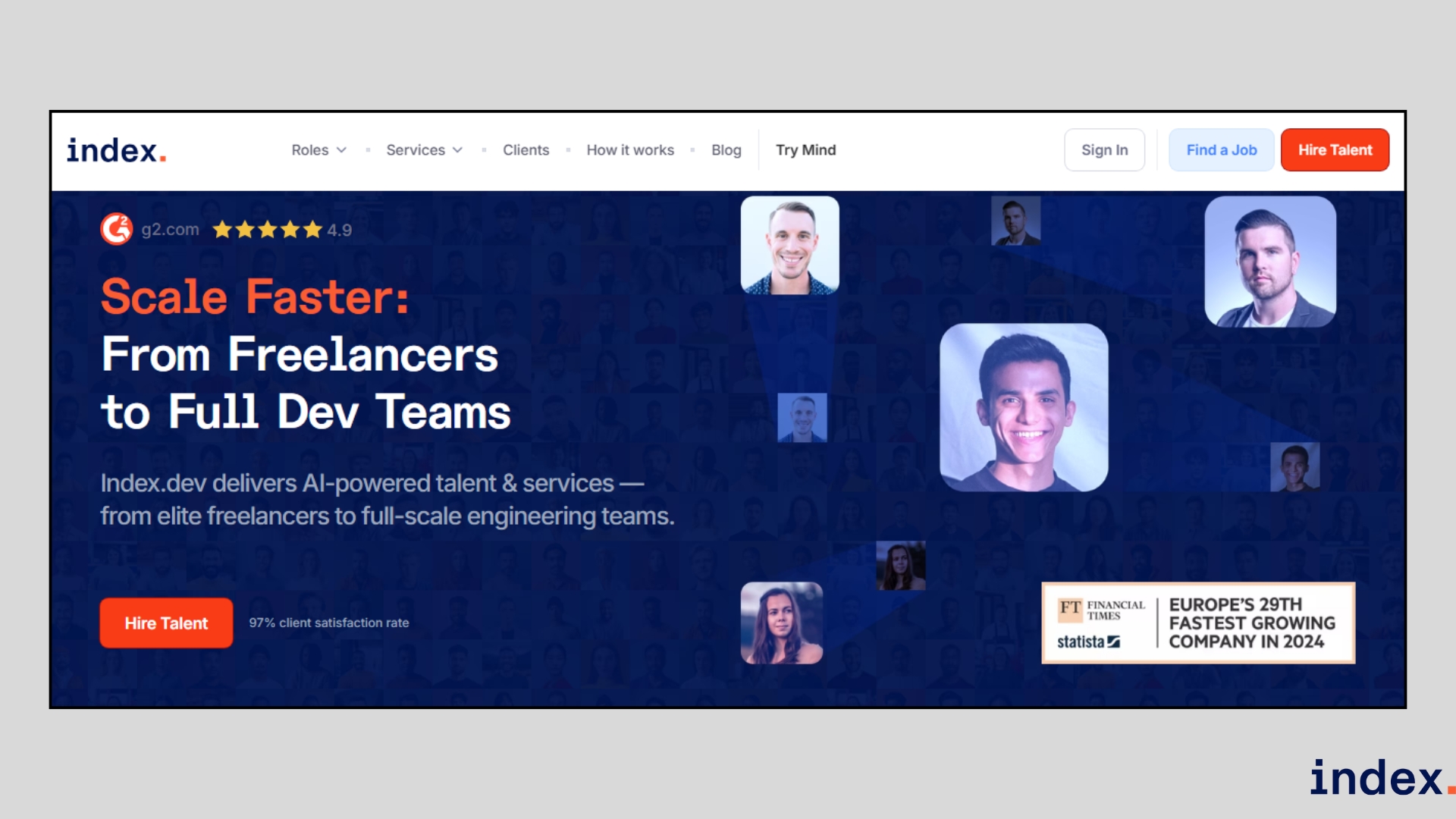
Index.dev positions itself as a fair and impartial hiring platform by using AI to evaluate candidates on skills, performance, and collaboration rather than personal details. Its five-step vetting process including spanning AI-driven background checks, technical assessments, English proficiency, human-led interviews, and cultural fit reviews, ensures every applicant is measured against consistent standards.
By filtering thousands of profiles and surfacing only the top 5% of global talent, Index.dev eliminates unconscious bias and levels the playing field for tech professionals across regions.
For employers, this means interview-ready candidates delivered in under 48 hours, backed by transparent scoring and compliance. For candidates, it means equal opportunity regardless of location or background.
With a focus on skill validation, fairness, and diversity, Index.dev redefines how companies build high-performing teams in today’s remote-first world.
How it works
Index.dev streamlines the hiring journey into a transparent, bias-free process:
- Define your role requirements – Recruiters start by entering the tech stack, skills, and timeline in the Index.dev dashboard. Instead of keyword-based filters, the AI translates these needs into measurable, skill-focused criteria that minimize bias.
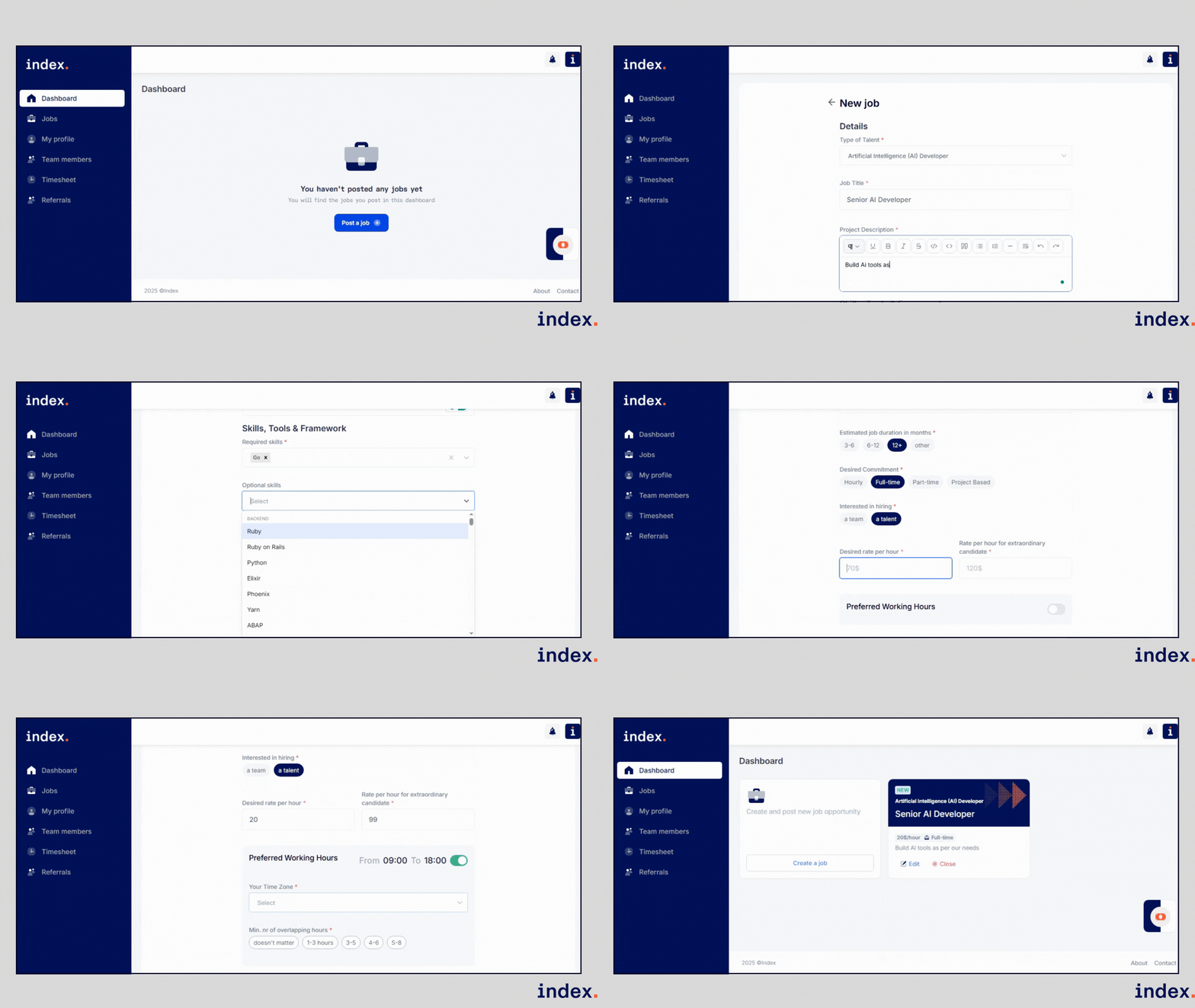
- AI-driven pre-screening – Thousands of candidate profiles are scanned using background checks and performance analysis. This step evaluates only role-related skills and past project success, ensuring personal identifiers like gender or nationality do not influence results.
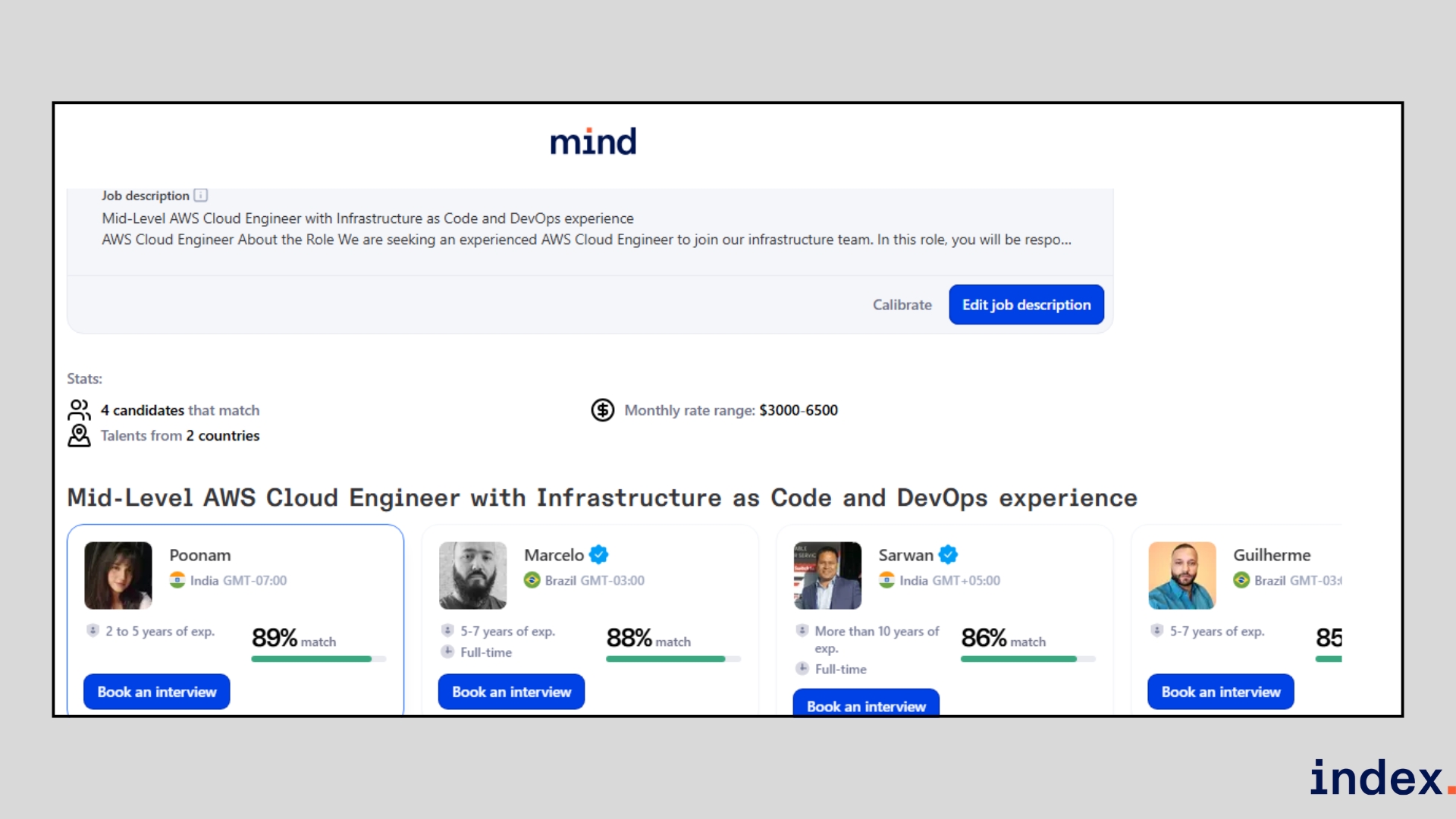
- Remote-readiness and collaboration tests – Candidates are assessed on English proficiency, communication style, and adaptability to remote teamwork. This ensures fairness for global applicants while highlighting those who can thrive in distributed teams.
- Technical skill validation – Applicants complete domain-specific coding, system design, and problem-solving assessments. Scores are AI-generated but reviewed by experts, making the evaluation both consistent and reliable.
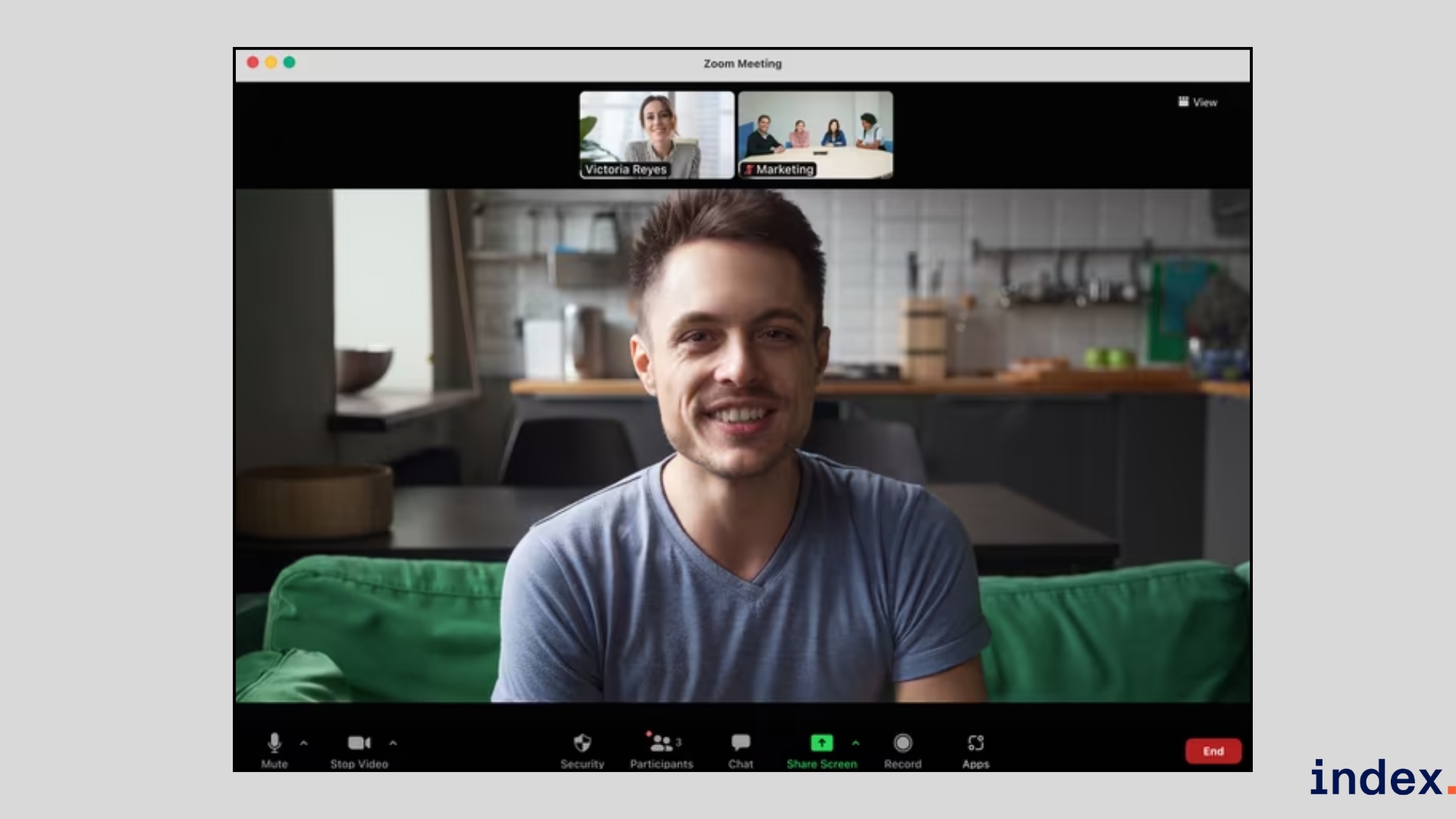
- Human-led interviews – Structured interviews validate problem-solving ability, teamwork, and values. Every candidate is asked the same type of questions, creating equal opportunity to advance.
- Final shortlist in 48 hours – Within two days, recruiters receive a ranked list of interview-ready candidates, complete with transparent scoring and clear rationale for each recommendation.
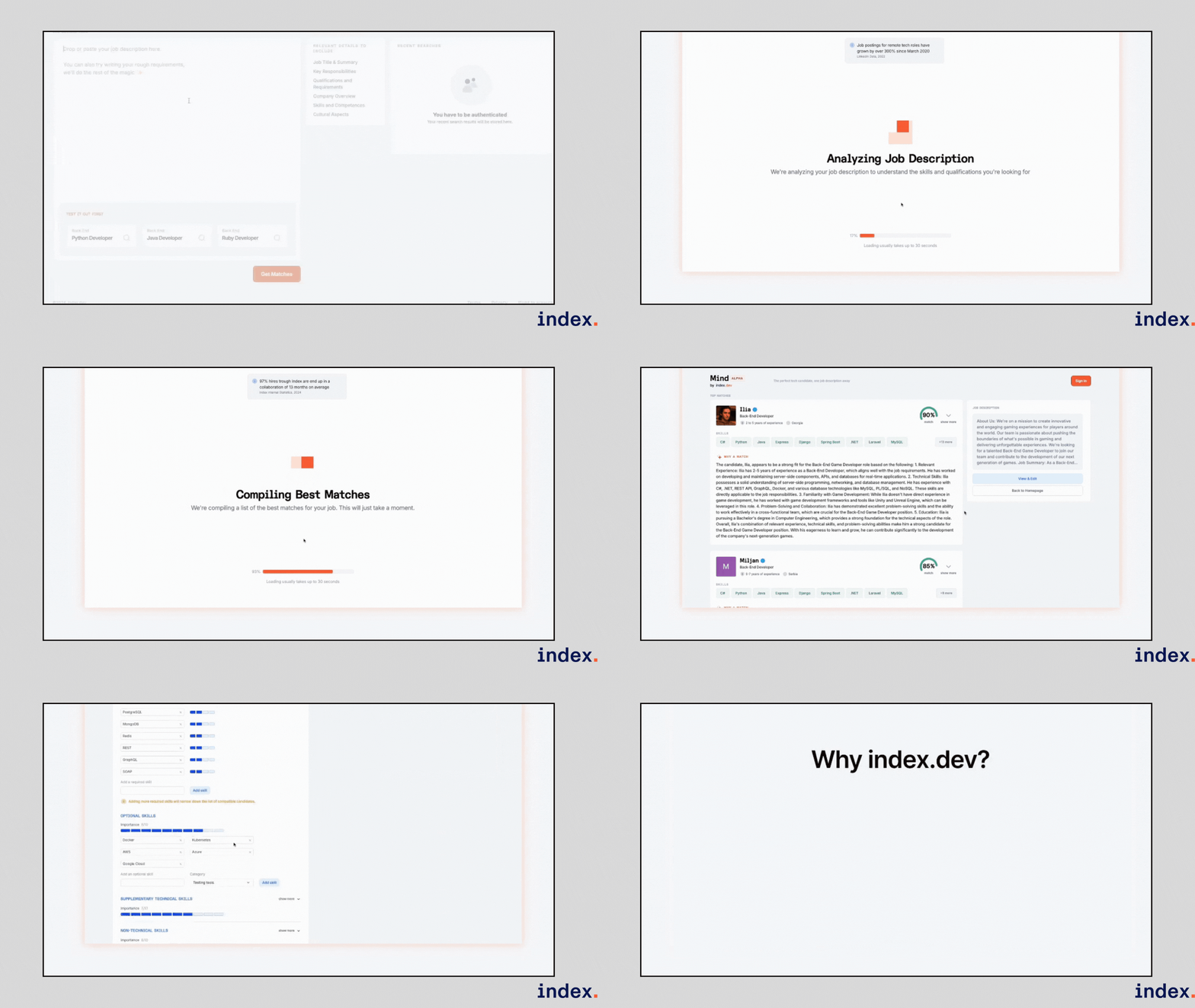
Why we selected Index.dev for fair and impartial hiring
Index.dev’s fairness-first approach is clear at every step. The AI never displayed details like names or locations during initial screening, only skills, scores, and role alignment.
Candidates from different regions are judged by the same structured process, and the final shortlist is both balanced and high-quality.
The speed, bias-free, interview-ready matches prove that fairness and efficiency can work hand in hand.
Pricing
Flexible pay-per-hire model with a 30-day risk-free trial.
2. TestGorilla
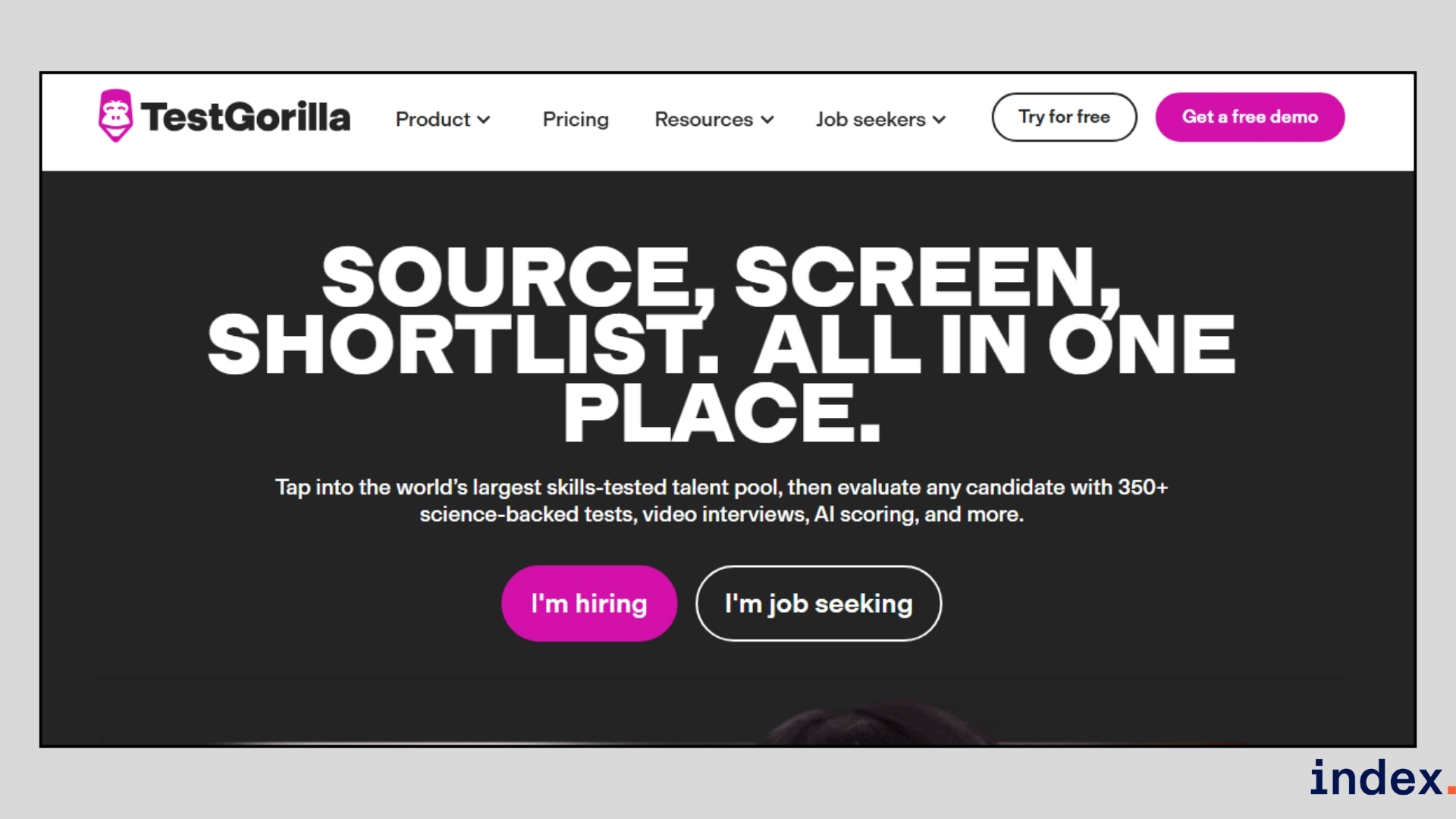
TestGorilla believes that the most reliable way to evaluate talent is by focusing on skills over resumes. The platform offers more than 350 science-backed tests that cover everything from coding and problem-solving to language proficiency and behavioral traits.
By combining validated assessments with AI-driven scoring and integrations, it helps companies make hiring decisions that are both faster and fairer. Its design follows global compliance standards like EEOC and UGESP, ensuring evaluations remain consistent and unbiased across different demographics.
How it works
The platform creates a structured, bias-resistant hiring funnel where every candidate is measured on the same criteria:
- Job setup and recommendations – A recruiter enters the role details, and TestGorilla instantly suggests an evaluation package tailored to the job. This ensures all candidates are assessed on the same job-relevant factors.
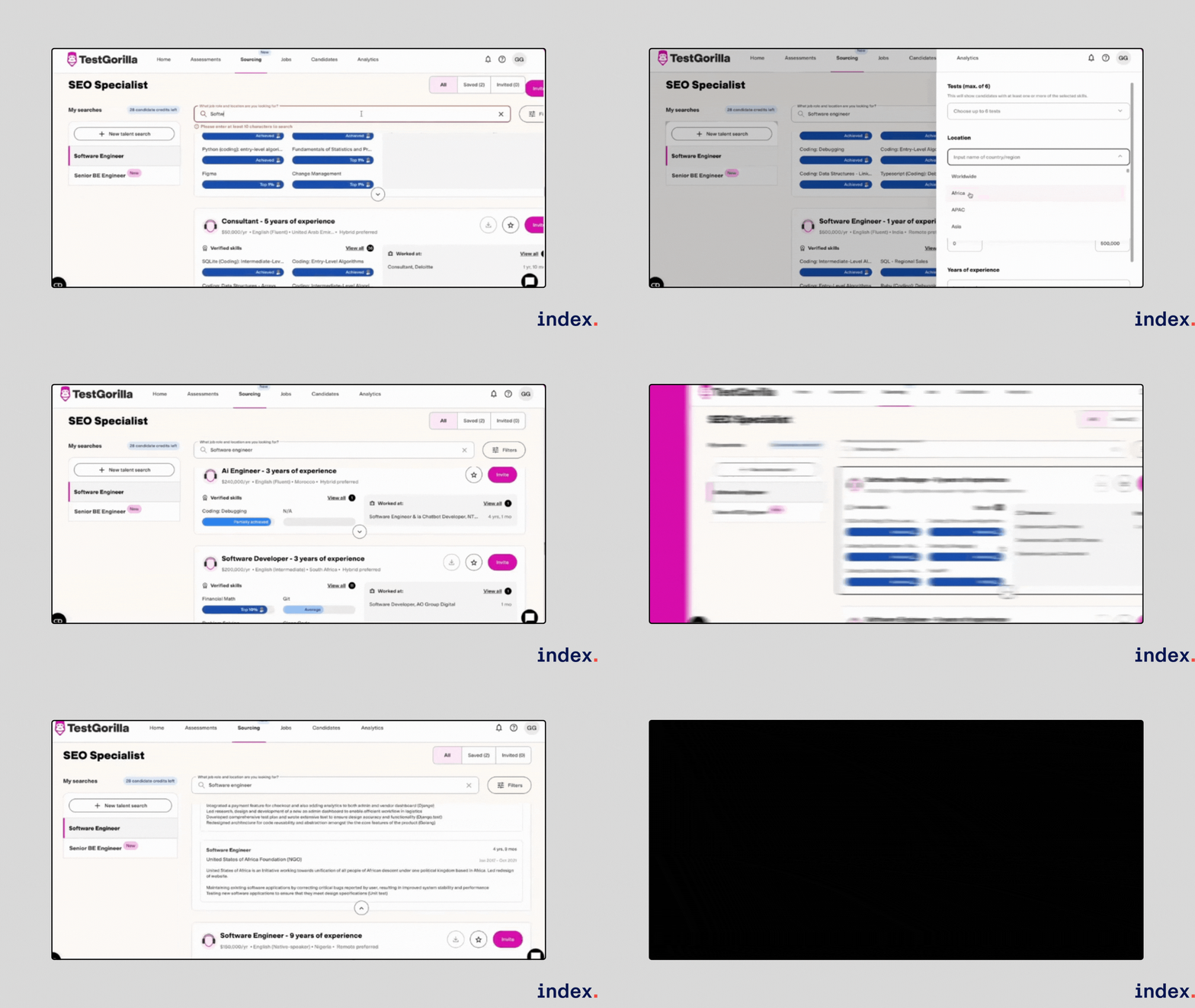
- Customizable assessments – Recruiters can mix skills tests, cognitive or behavioral tasks, custom questions, and even AI-powered video interviews. Each assessment is designed to predict job success rather than test for memorized knowledge.
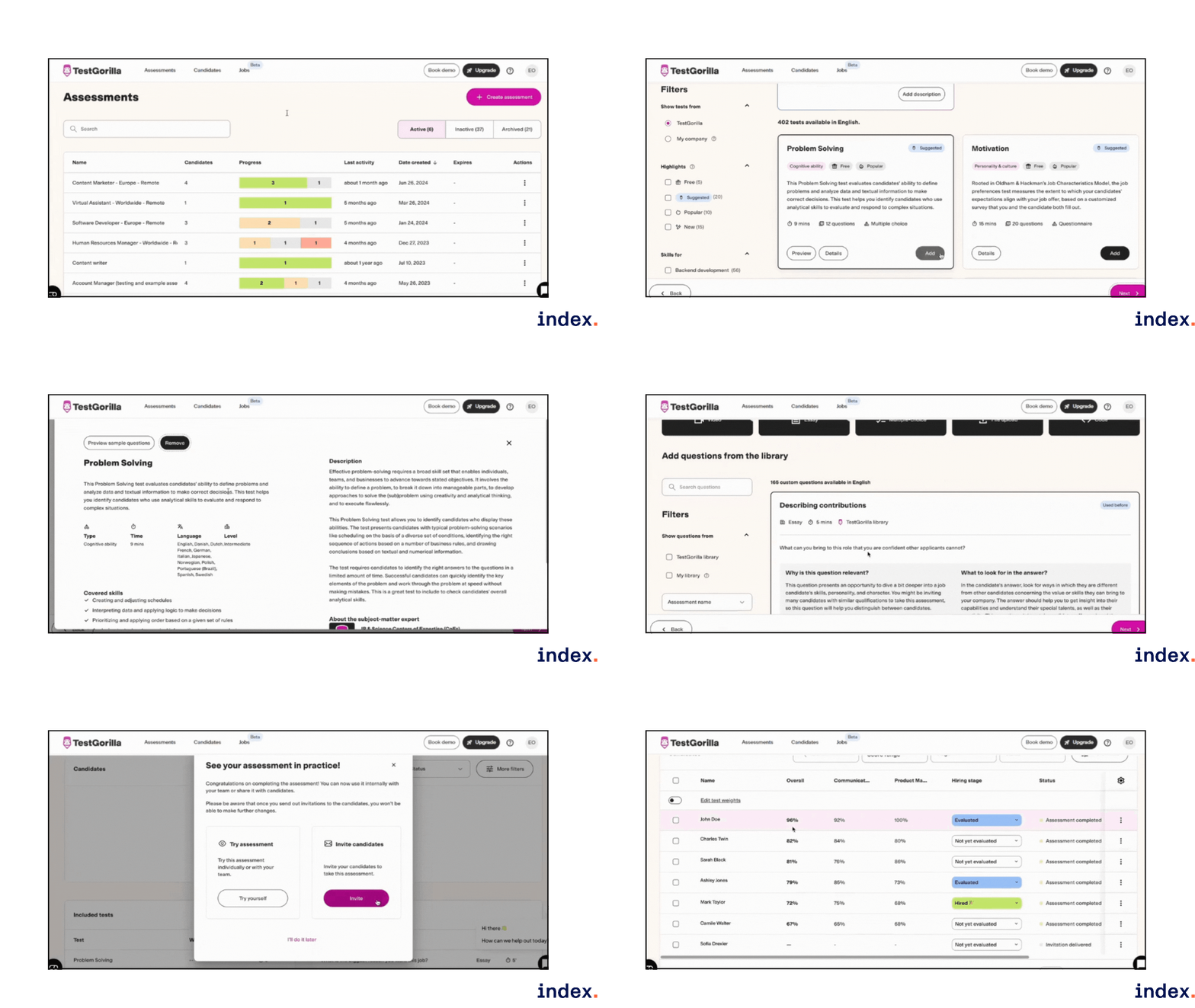
- Candidate-friendly experience – Applicants receive a mobile-ready link to complete their tasks. Tests mimic real workplace scenarios, so performance feels practical and relevant.
- AI scoring and ranking – Results are automatically scored and presented with percentile rankings, enabling recruiters to quickly compare candidates on an objective scale.
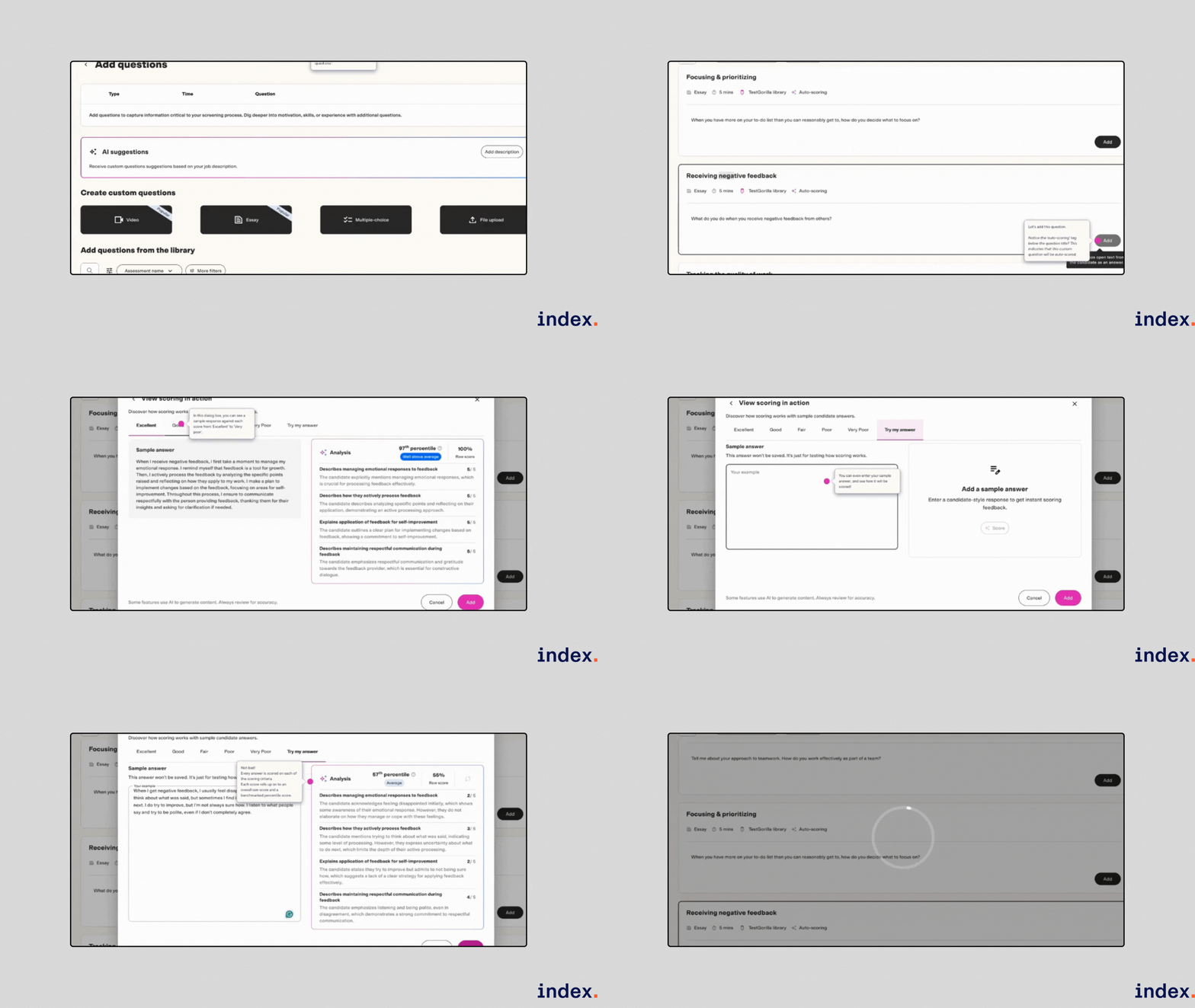
Video and written responses are transcript-based, which reduces accent or appearance bias.
- Bias monitoring – The system actively analyzes demographic data to detect signs of adverse impact, helping recruiters maintain fairness across gender, age, and ethnicity.
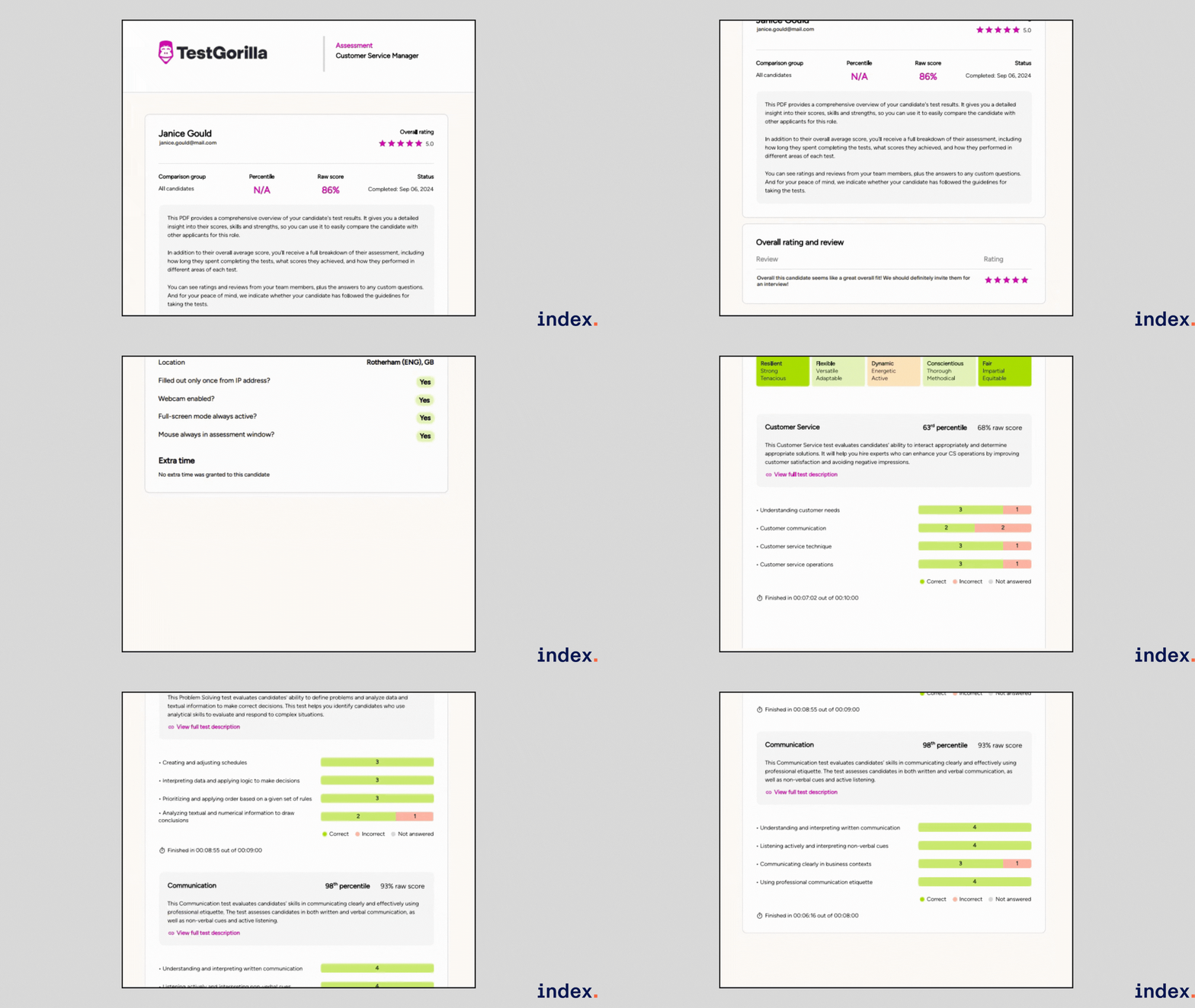
Here is a sample report of a candidate which clearly states how the tool helps recruiters judge them before hiring.
- ATS integration – All scores and reports flow directly into applicant tracking systems like Greenhouse, Workday, and Lever, keeping the process transparent for the whole team.
By replacing résumés with skills-first evaluations, TestGorilla helps reduce mis-hires, cut time-to-hire, and create shortlists that are genuinely data-driven.
Why we selected this tool
We liked TestGorilla because it puts skills before resumes. The platform showed us clear rankings, so choices weren’t based on names, schools, or past jobs. Video answers were scored from transcripts, which removed bias about looks or accents. It felt fair, fast, and focused on what candidates can actually do, not just what they claim.
Pricing
Free plan available; Core starts at $142/month billed annually, with custom Plus plans for high-volume hiring.
3. Harver
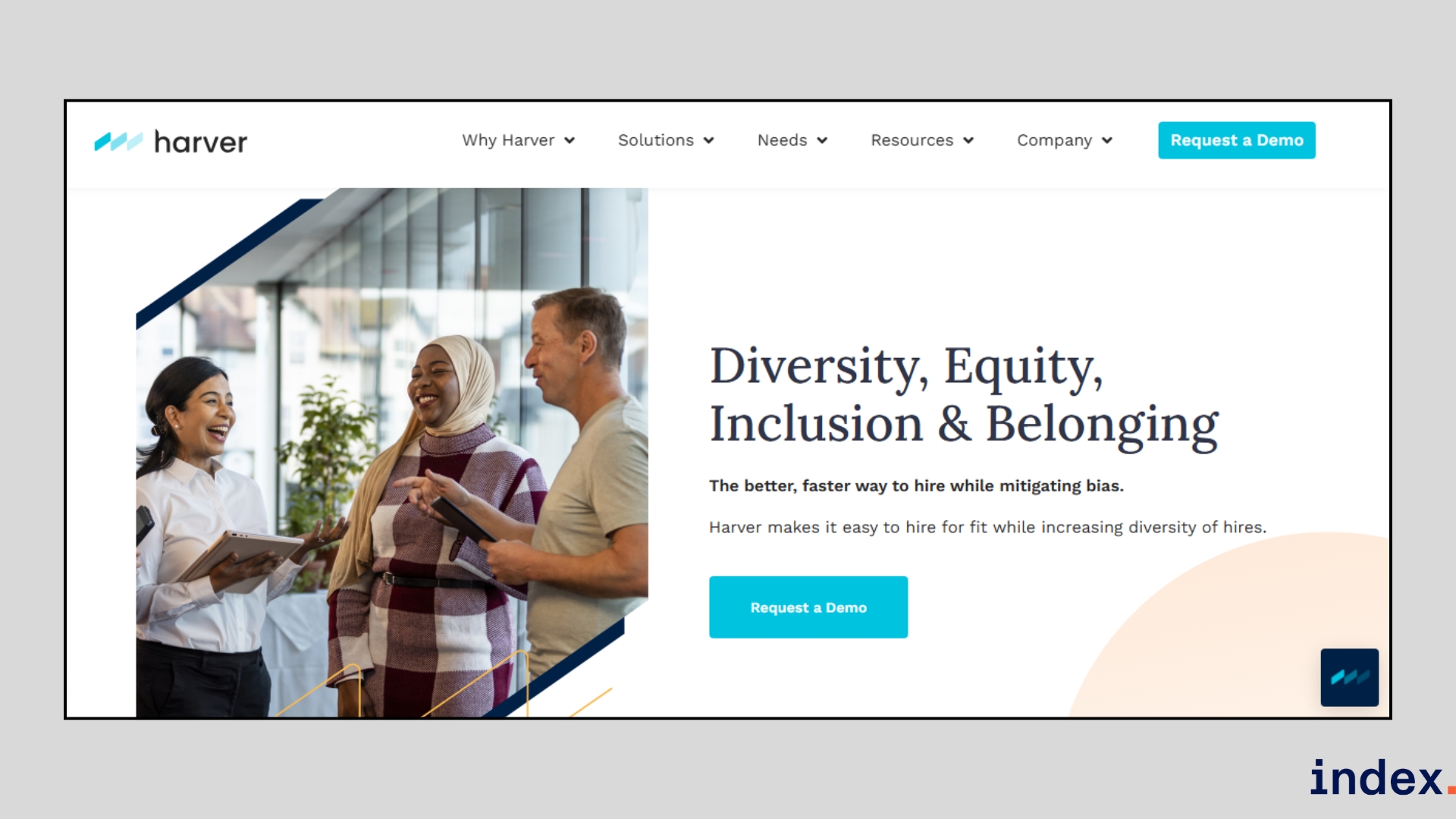
Harver positions itself as a platform that eliminates the trade-off between hiring fast and hiring right. Instead of relying on resumes or gut feel, it uses predictive assessments, gamified behavioural tasks, and data-driven insights to surface candidates with the highest potential for success.
By evaluating applicants based on objective data rather than background signals, Harver helps organisations hire in a fairer, less biased way. Its strong emphasis on DEI (diversity, equity, inclusion, and belonging) means every applicant is evaluated on potential and fit, not pedigree.
How it works
Harver runs like an end-to-end hiring funnel, replacing manual screening with structured, automated steps that reduce bias:
- Candidate applies → Instead of uploading a long resume that could trigger unconscious bias, applicants are directed to Harver’s assessment portal. Here, they complete a mix of cognitive, behavioural, gamified, and job-knowledge tests. These are scientifically validated and benchmarked against successful employees in similar roles.
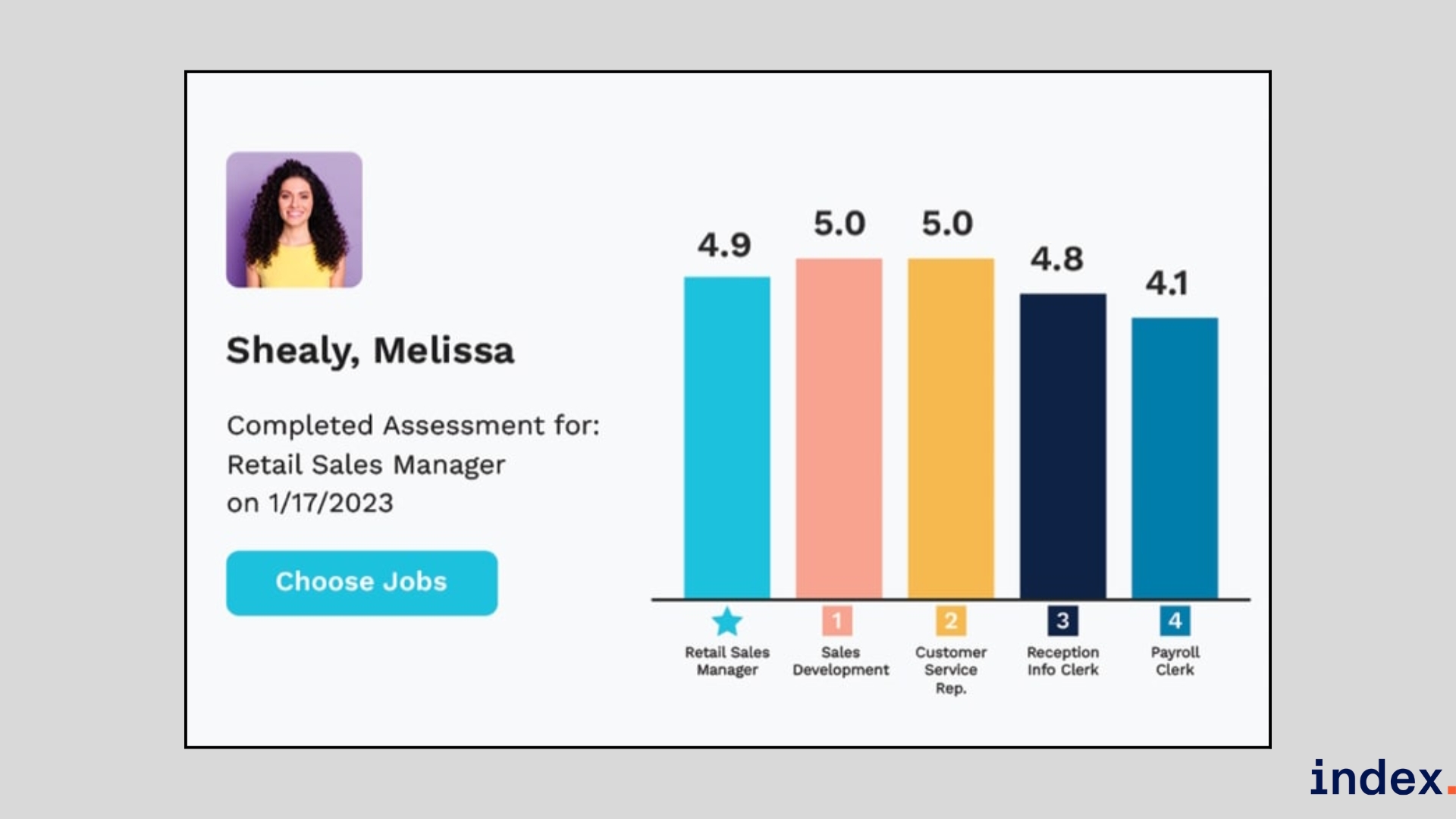
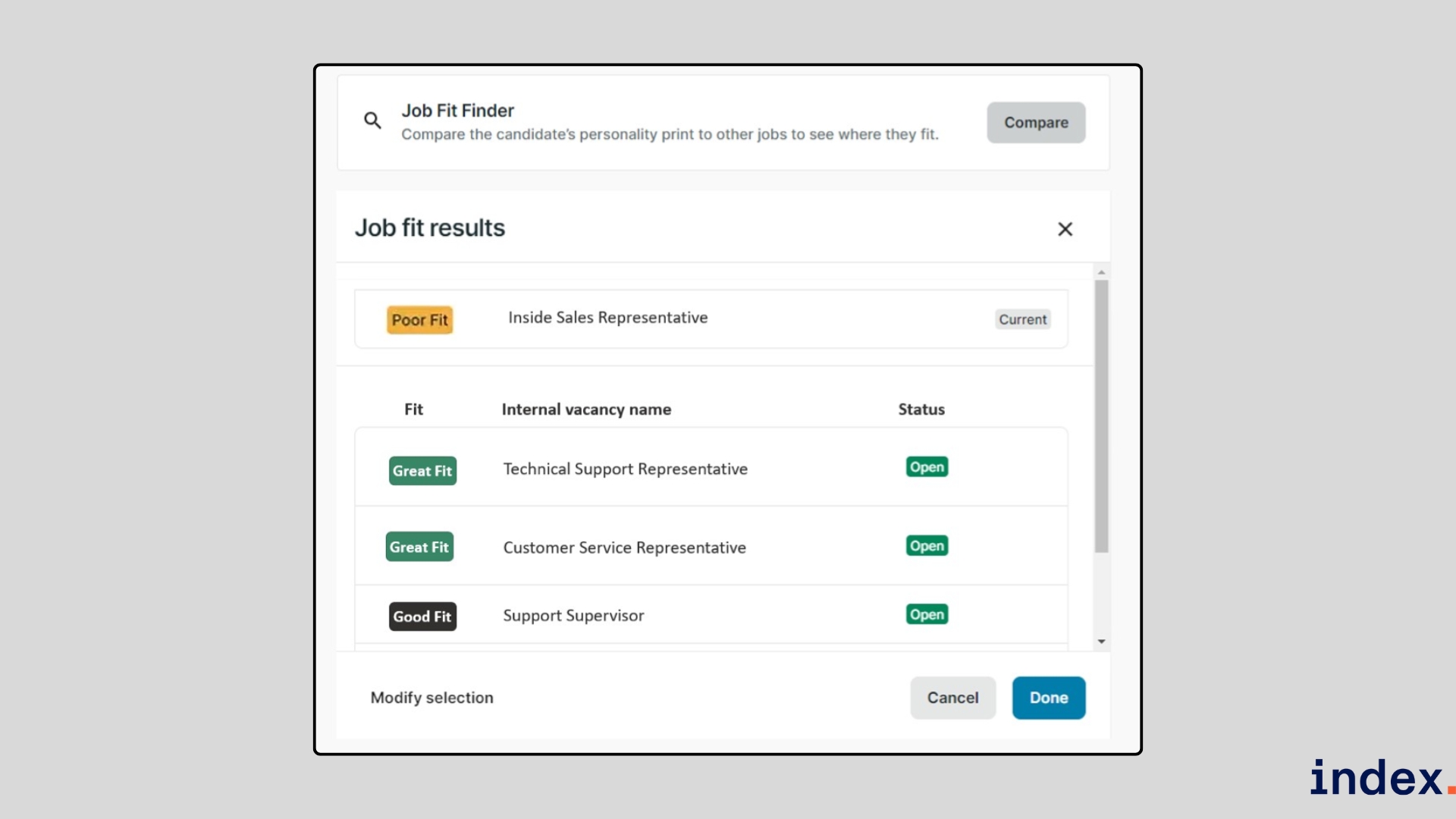
This image shows Harver’s AI assessment solution matching candidates to multiple job roles using standardised scoring, ensuring fair, data-driven, and bias-free hiring decisions.
- AI-powered shortlisting → Harver’s algorithms instantly analyse results and rank candidates by job fit. Unlike keyword-based resume filters, the scoring focuses only on relevant predictors of success (skills, behaviours, cognitive patterns).
Harver’s Job Fit Finder uses science-backed assessments to instantly predict how well candidates align with different roles, ensuring faster and more accurate hiring decisions.
- Automated progression → Candidates who meet the required criteria are automatically advanced to the next stage (for example, a virtual interview). This prevents recruiters from unconsciously filtering out applicants based on names, backgrounds, or education history.
- Virtual interview stage → Instead of inconsistent phone screens, candidates answer structured, pre-set questions via recorded video. AI organises responses and highlights key behavioural traits. Recruiters can also use bias-minimising settings (e.g., transcripts only).
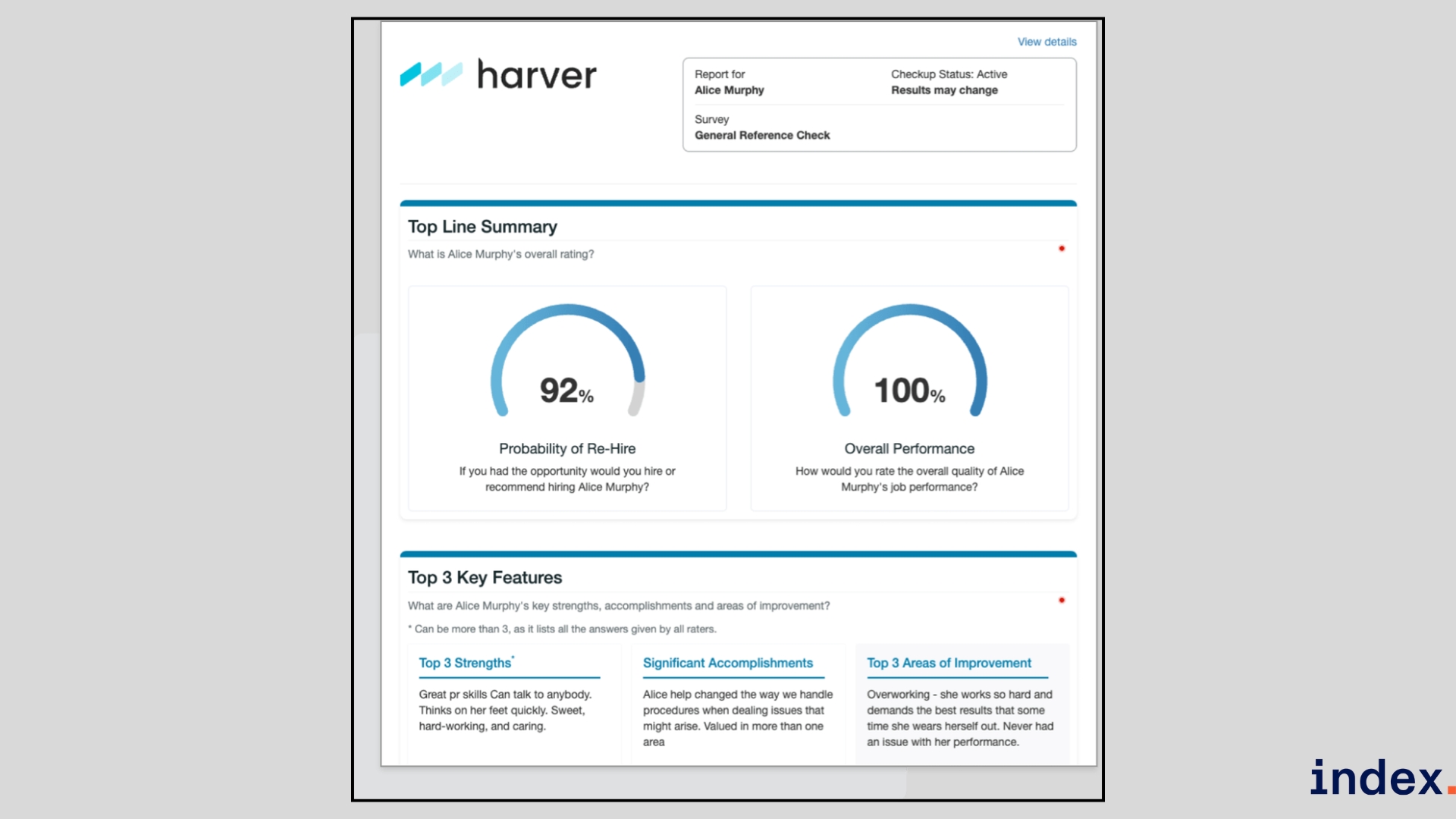
- Automated reference checks → Candidates trigger this themselves by adding referee contacts. The system sends short surveys that referees can complete on mobile in ~2 minutes. AI compiles the responses into a fraud-checked report, removing the recruiter’s influence over which references are contacted and what is asked.
- Analytics dashboard → Hiring managers log in to a unified dashboard that displays data-driven insights like predicted performance, cultural fit, attrition risk, and benchmark comparisons. This structured reporting ensures final hiring decisions are based on data, not intuition.
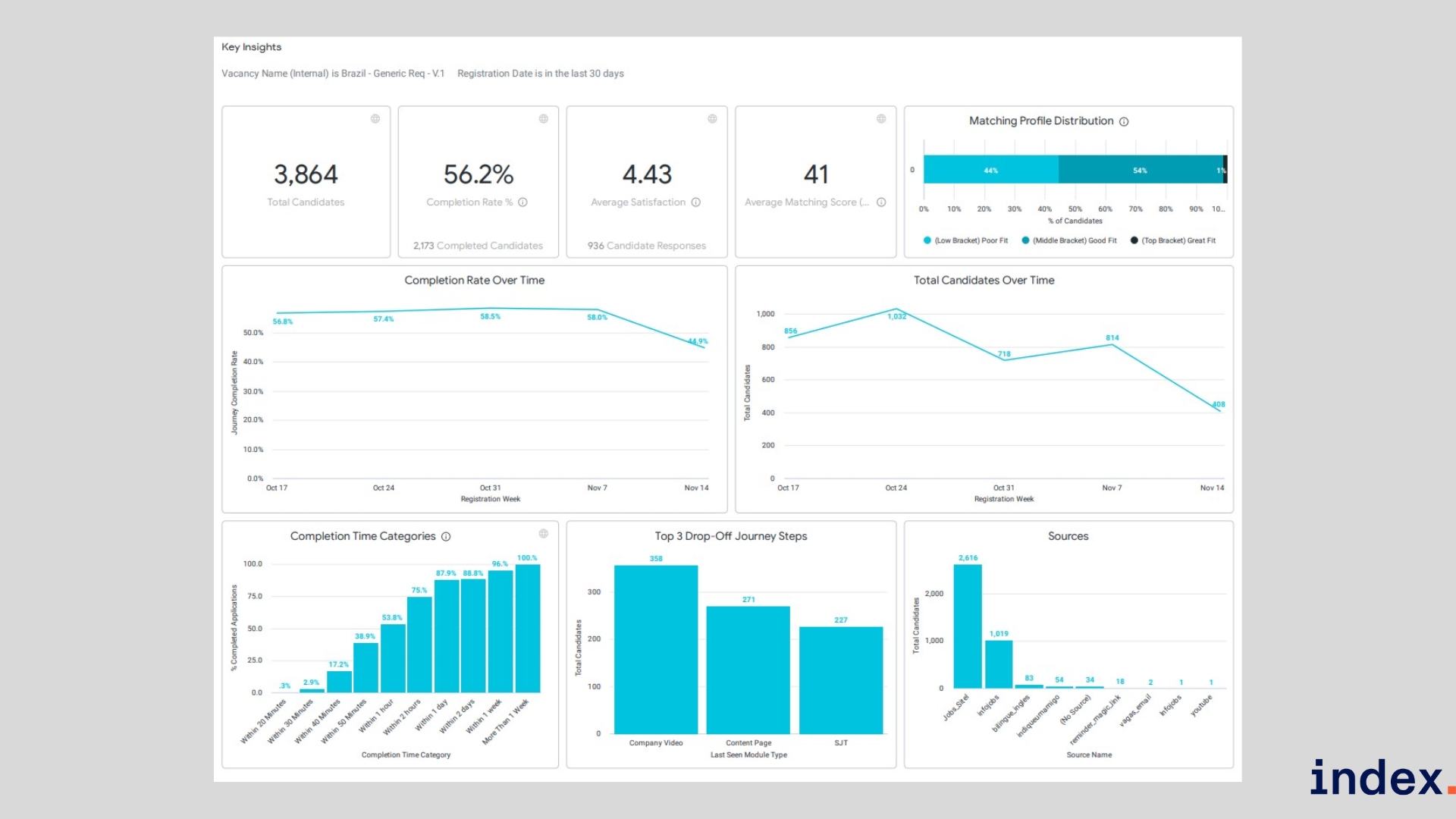
In practice, this flow reduces hiring time and early attrition, and consistently produces more diverse shortlists because irrelevant demographic factors are never considered in the scoring process.
Why we selected this tool
From our testing, two features stood out:
- The gamified behavioural assessments make candidates feel engaged and fairly judged, rather than pressured in a traditional test.
- The automated reference checks saved us over an hour per candidate and produced richer, more candid feedback than phone calls.
We also appreciated how the system masked irrelevant data (such as names or schools) during initial scoring, so our hiring decisions were based on skills and potential.
Pricing
Enterprise pricing, custom quotes based on volume hiring needs.
4. iMocha
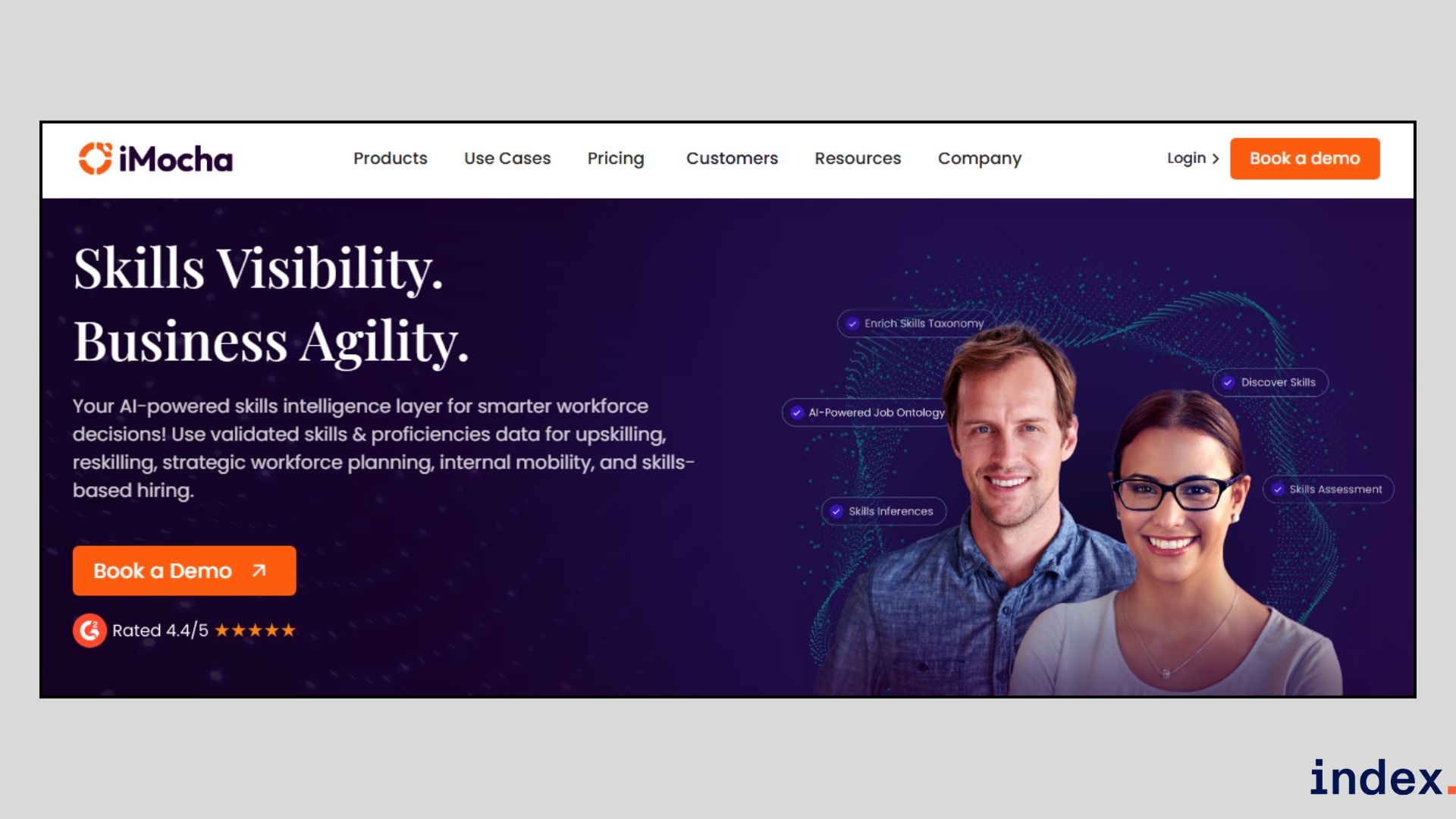
iMocha presents itself as a fair-hiring partner that uses AI to minimize human bias at every stage of recruitment. Its AI Skills Match engine doesn’t just filter candidates, it ranks them against role requirements and highlights hidden fits who might otherwise be ignored.
To keep results authentic, the platform applies enterprise-grade AI proctoring that prevents impersonation and detects cheating across geographies.
For interviews, iMocha uses conversational AI with transcript-based scoring, giving every candidate the same structured experience and removing subjectivity tied to looks, accent, or delivery style.
This multi-layered AI approach ensures that hiring decisions are driven by verified skills and consistent evaluation, not personal bias.
How it works
iMocha creates a streamlined hiring journey with fairness built into each stage:
- Apply & Assess – Candidates applying for a role are directed to iMocha’s portal, where they complete job-relevant tests from a library of 10,000+ assessments across coding, business, cognitive, and language skills. Each test is validated, role-benchmarked, and WCAG-compliant, ensuring consistency and accessibility.
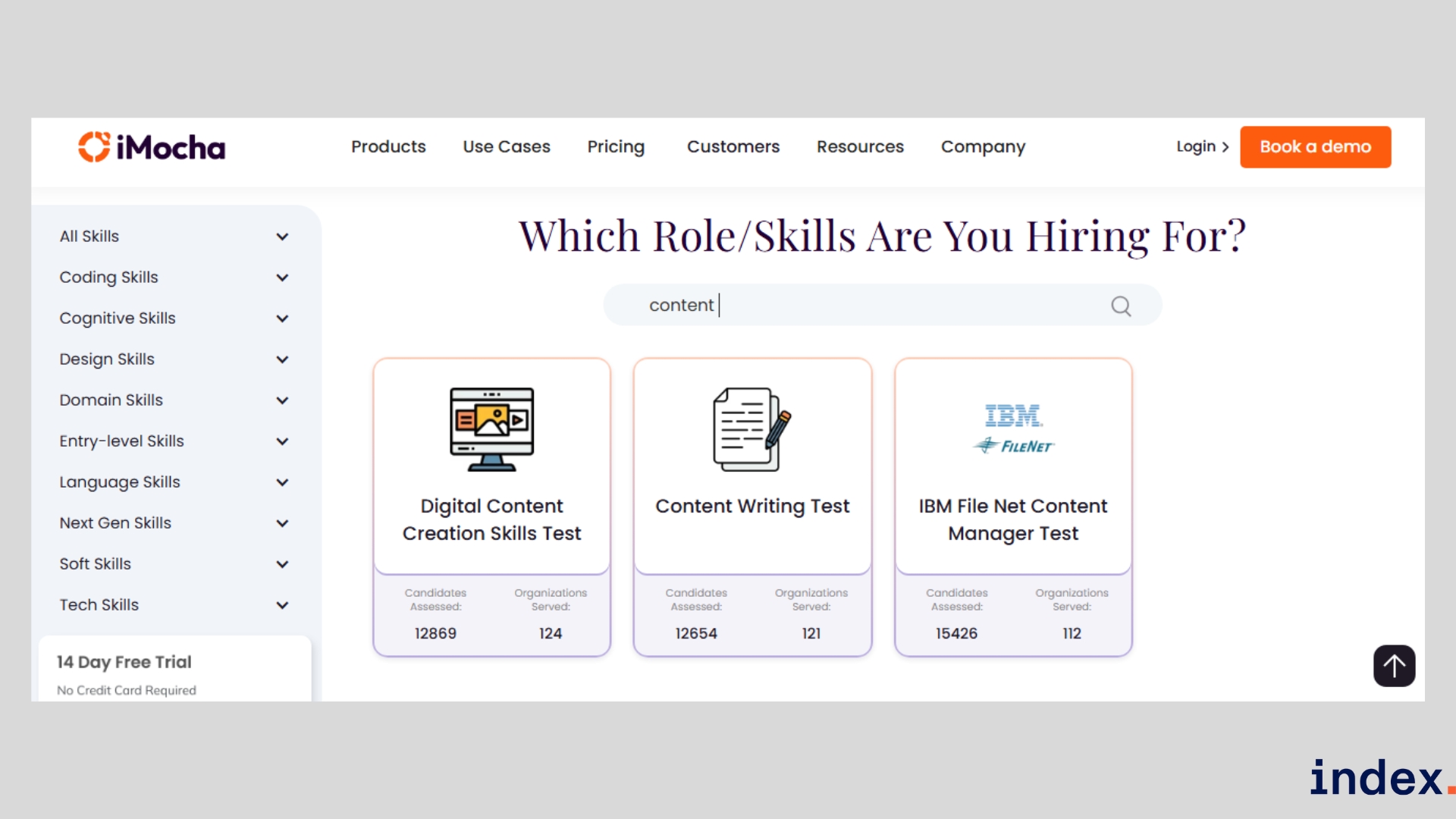
- Screen & Match – Instead of pass/fail filters, iMocha’s AI Skills Match engine analyzes performance and creates ranked shortlists based on the exact skills needed for the role. This prevents strong candidates from being overlooked and highlights alternate fits for other openings.
- Validate Integrity – To ensure fairness, iMocha uses enterprise-grade AI proctoring. It blocks impersonation, detects cheating behaviors, and even grades the severity (low/medium/high). This guarantees that scores reflect actual candidate performance.
- Interview Consistently – Shortlisted candidates then go through conversational AI interviews, where adaptive but structured questions are asked uniformly. Responses are transcripted and AI-scored, removing bias linked to accents, tone, or physical appearance.
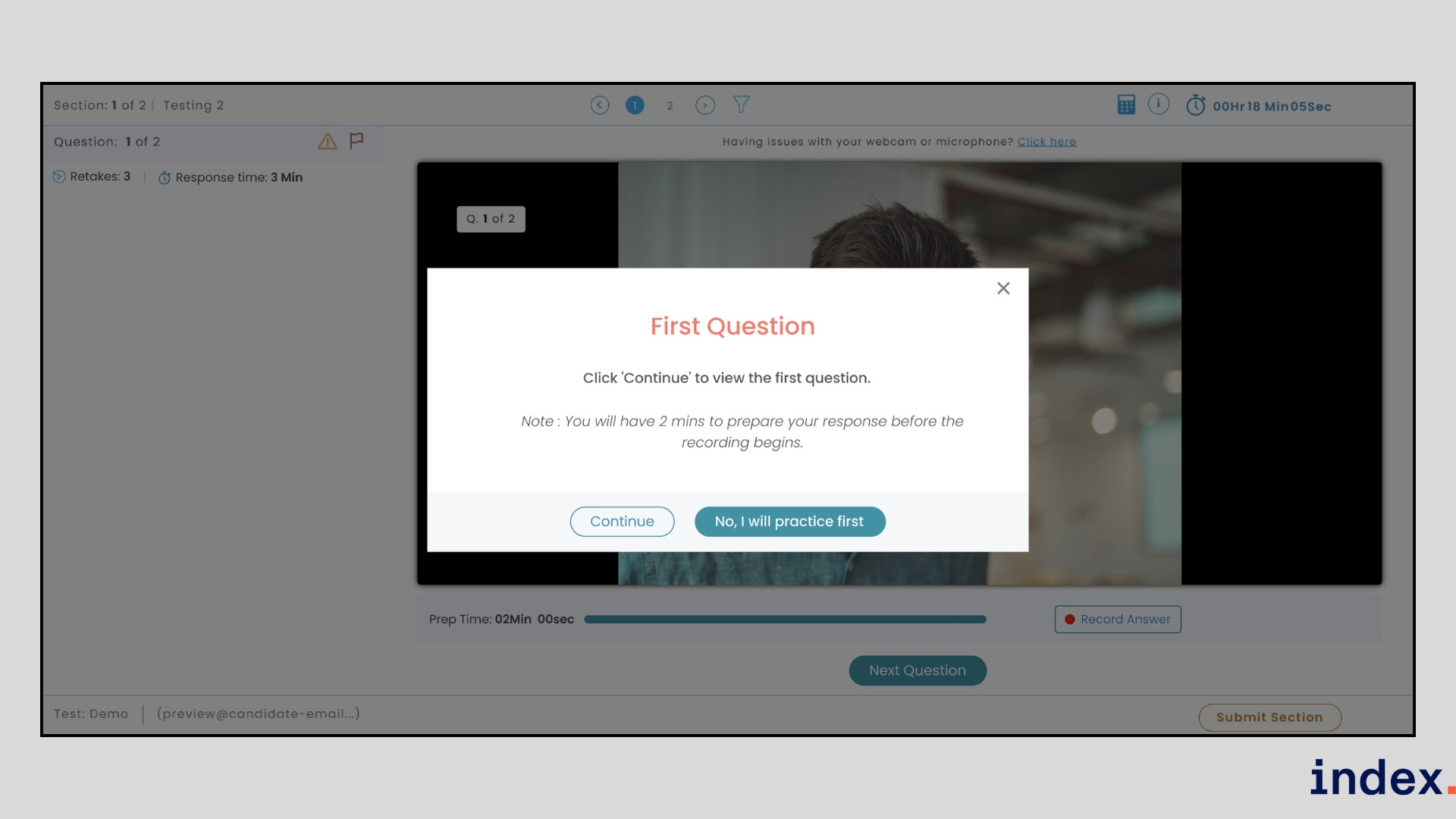
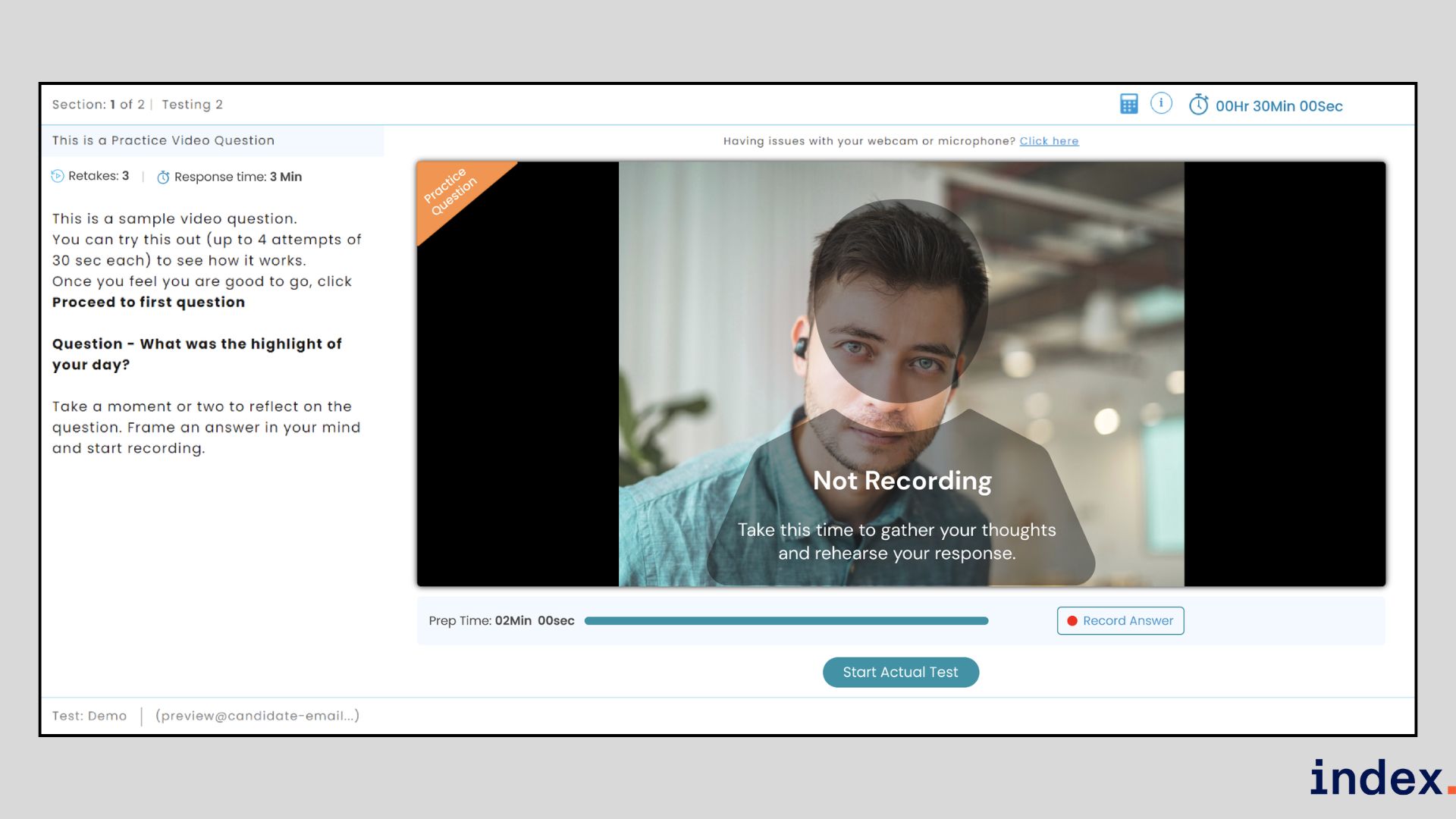
If candidates aren't ready for the test, they can take up a practice test.
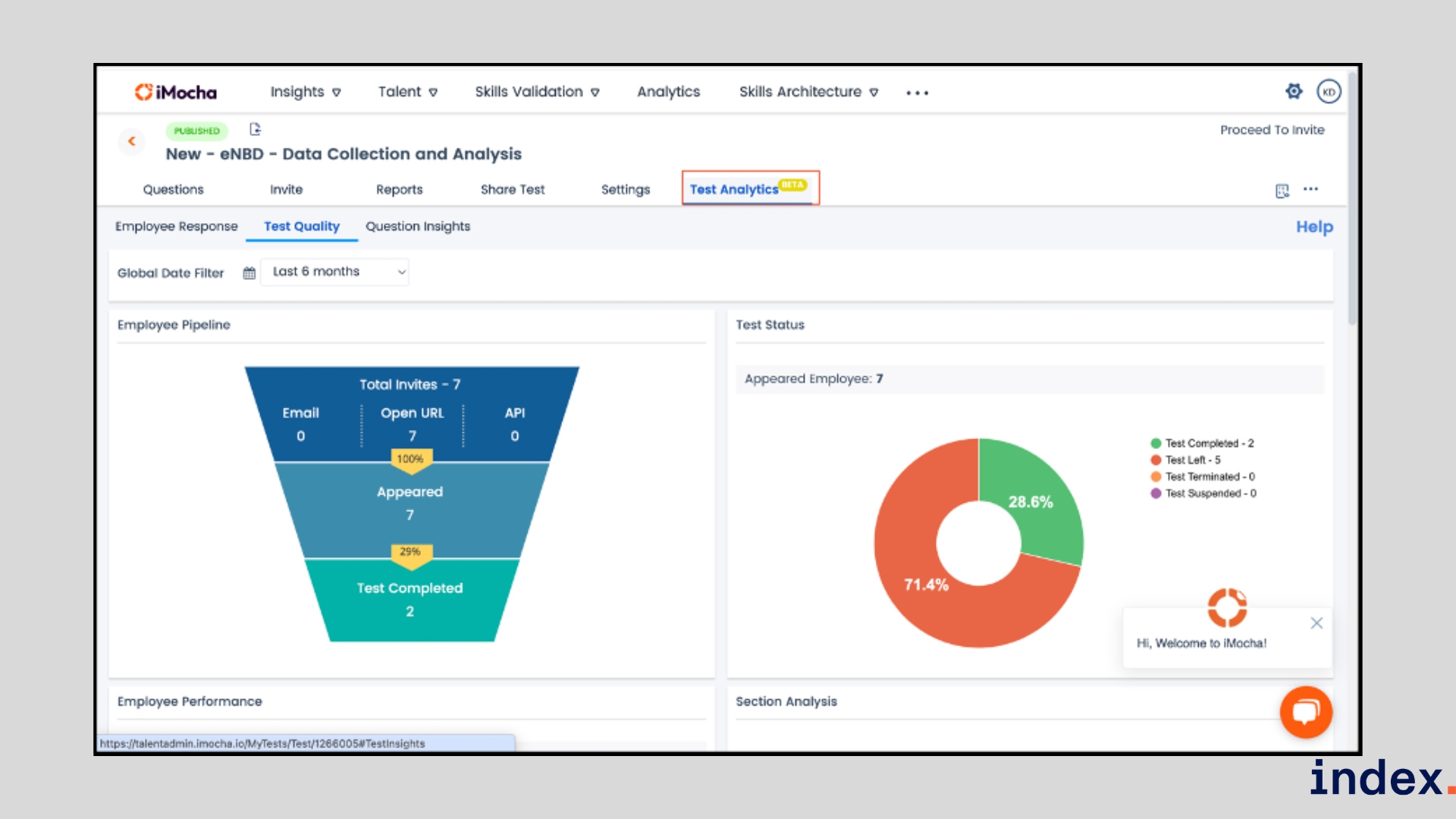
- Analyze & Decide – Recruiters get access to skills dashboards and analytics, where candidate results are compared side by side with transparency. The focus remains on verified skills and job match, not on resumes or personal impressions.
This image shows iMocha’s Test Analytics dashboard, where recruiters can track candidate pipeline, test completion rates, performance insights, and assessment status in real time.
- Hire Confidently – With validated assessments, AI shortlists, proctoring, and fairness-checked interviews, the final hiring decision is faster, data-led, and impartial.
Why we selected this tool
We selected iMocha because it addresses fairness at multiple stages of hiring.
The AI Skills Match engine helped us uncover candidates who might have been ignored in resume-based filtering, giving them a fair shot.
The transcript-based conversational AI interviews ensured our evaluation was about what candidates said, not how they said it.
Together, these features delivered one of the most inclusive and bias-resistant hiring processes we’ve experienced.
Pricing
Custom enterprise pricing is available; however, you can try the 14 days free trial.
5. Knockri
Structured behavioral interviews are proven to be one of the fairest and most predictive hiring methods, but they’re usually slow and expensive. Knockri changes that.
Its AI automates these interviews at scale, asking validated behavioral questions and scoring responses only on the content, not on delivery or background.
As the system avoids historical training data, relies on I/O psychology validation, and anonymizes candidate results, it helps companies reduce bias while still identifying high performers.
How it works
Knockri creates a consistent, fairness-focused hiring journey:
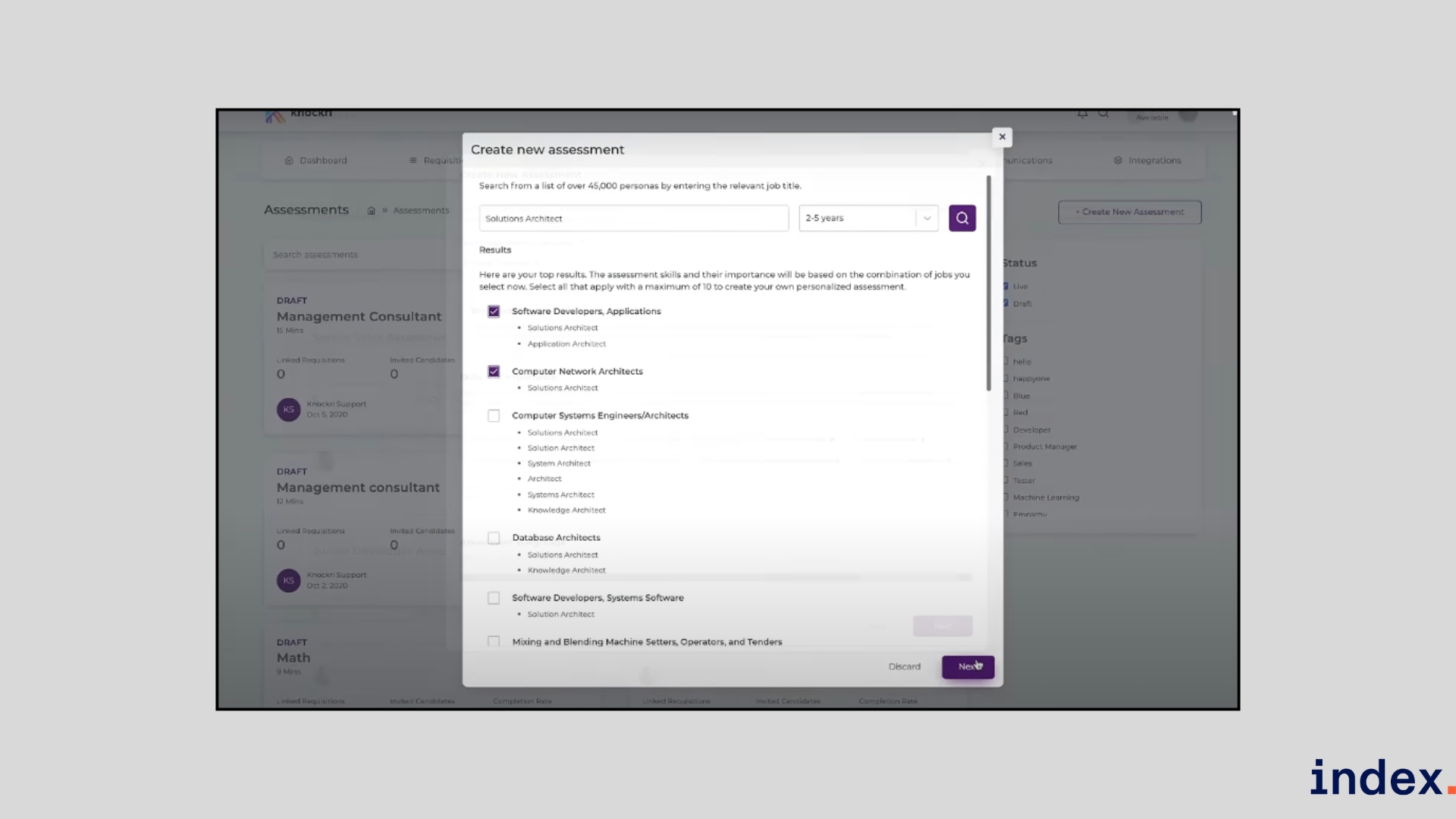
- Assessment setup – Recruiters choose from 45,000+ job personas or design role-specific assessments to ensure questions are tailored and relevant.
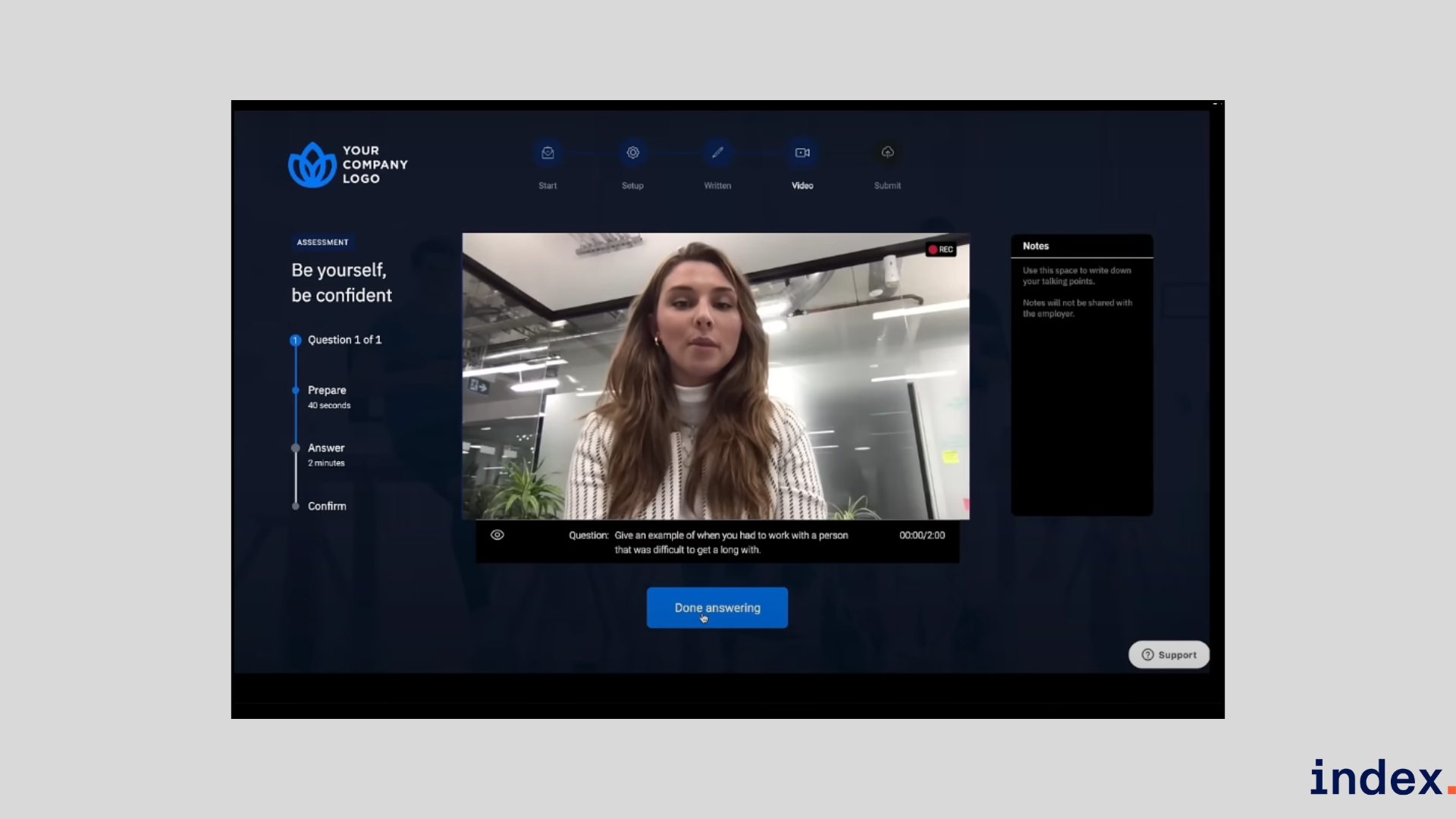
- Candidate experience – Applicants complete asynchronous behavioral interviews on any device, with accessible formats for low-vision or assistive-tech users.
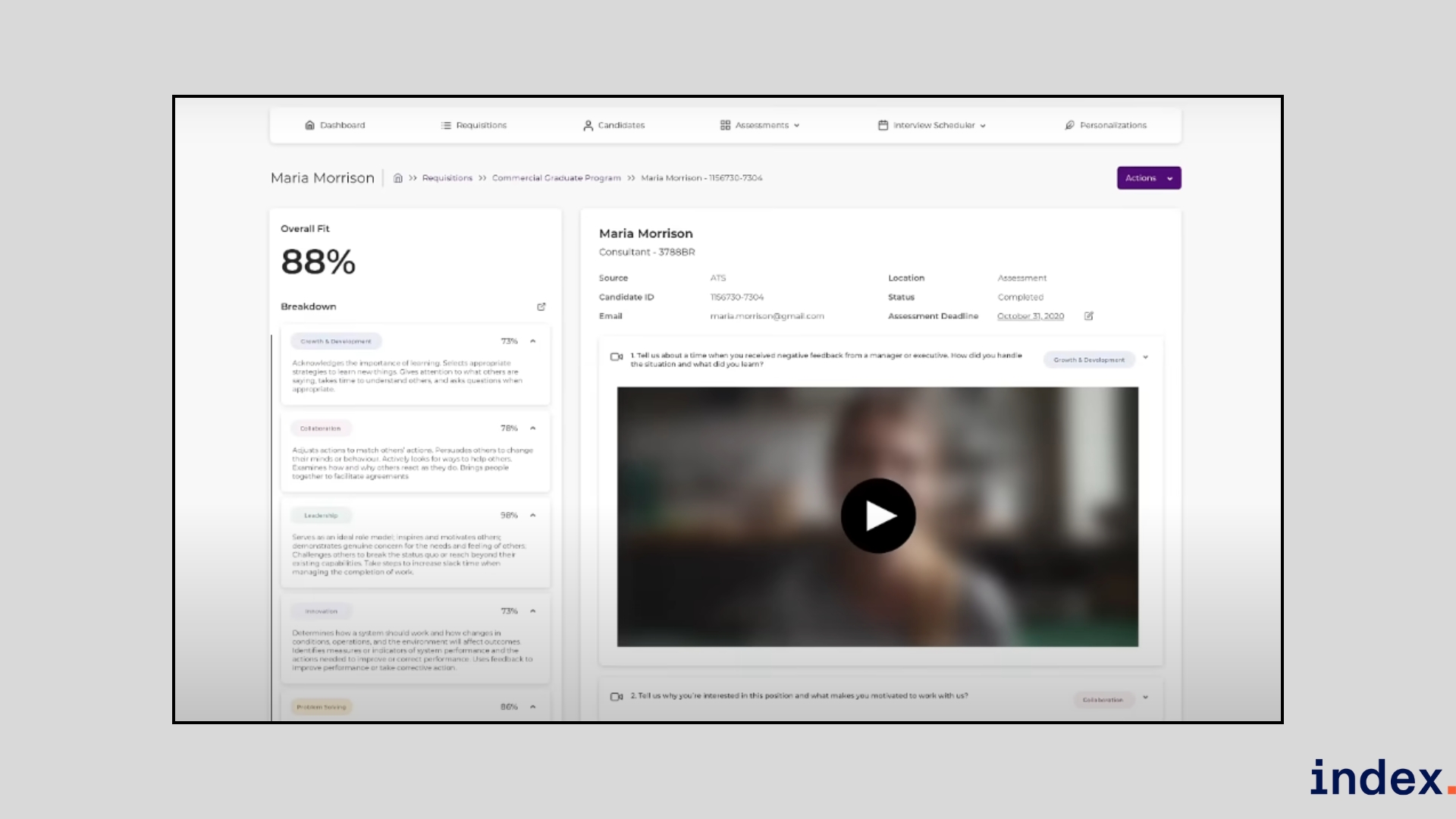
- Scoring – AI evaluates responses using evidence-based scoring, looking only at the content of answers. Recruiters can view candidate results by anonymized IDs to prevent name bias.
- Validation – Every question is reviewed by I/O psychologists, and all assessments are WCAG-compliant, ensuring inclusivity.
- Shortlisting – Results are presented in transparent, ranked reports that recruiters can defend and explain.
- Hiring – With clear, data-driven evidence, hiring teams can select candidates confidently, knowing the process was impartial.
Why we selected this tool
We liked Knockri because it tackles fairness in interviews, a stage where bias often creeps in. In our trial, the anonymized recruiter dashboard prevented us from being influenced by names or backgrounds, and the evidence-based scoring kept evaluations focused only on what candidates actually said. This gave us a process that felt truly equitable and transparent.
Pricing
Custom enterprise pricing, available via demo and ATS integrations.
6. HiredScore
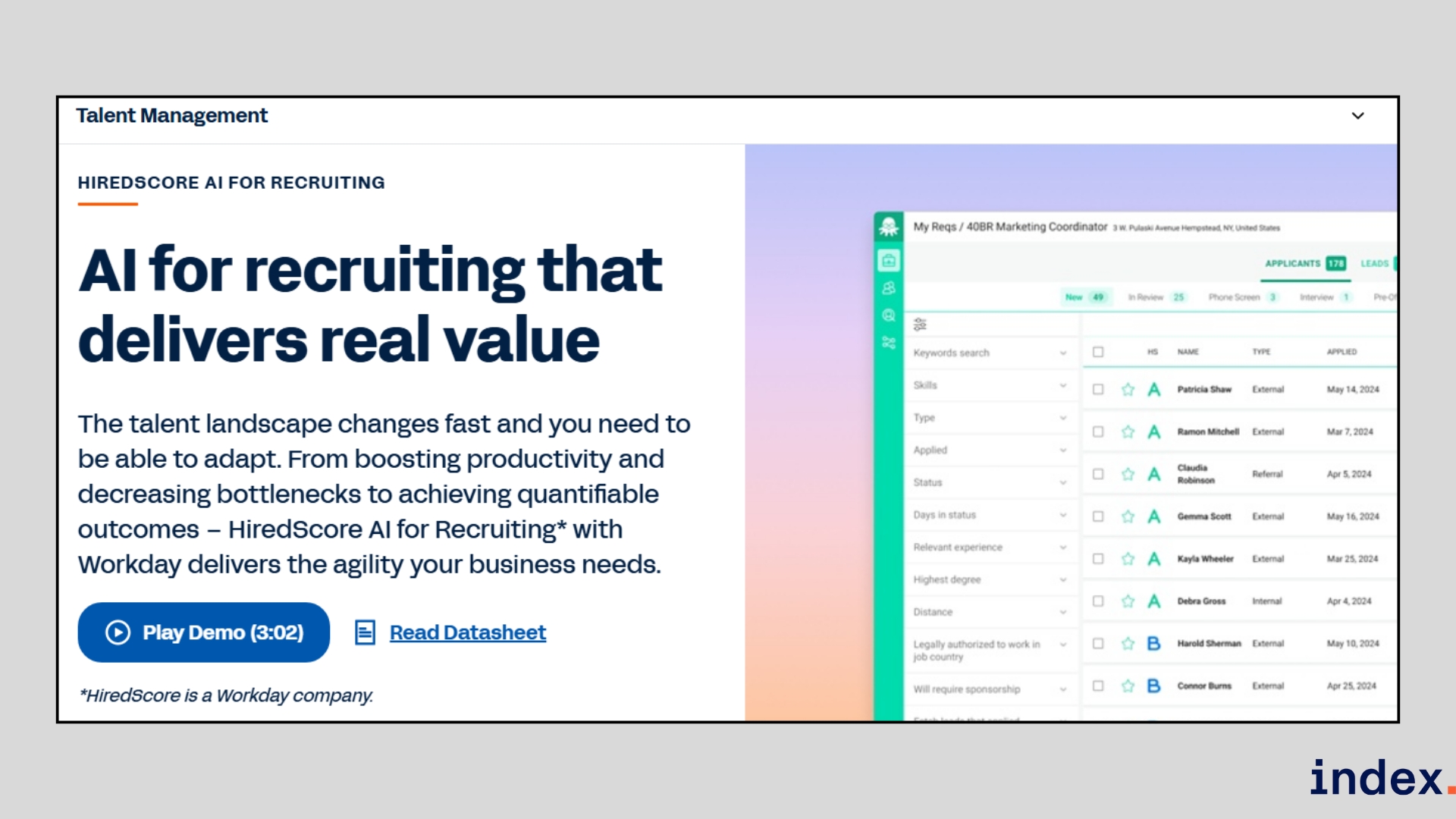
HiredScore, a Workday company, applies responsible AI to help recruiters identify and prioritize talent fairly. Instead of relying on manual resume screening, its AI grades candidates against job requirements in a transparent and unbiased way.
The platform also reactivates overlooked talent from past applications and employee databases while embedding real-time diversity insights into hiring workflows. The result is faster shortlisting, more inclusive pipelines, and data-backed decisions.
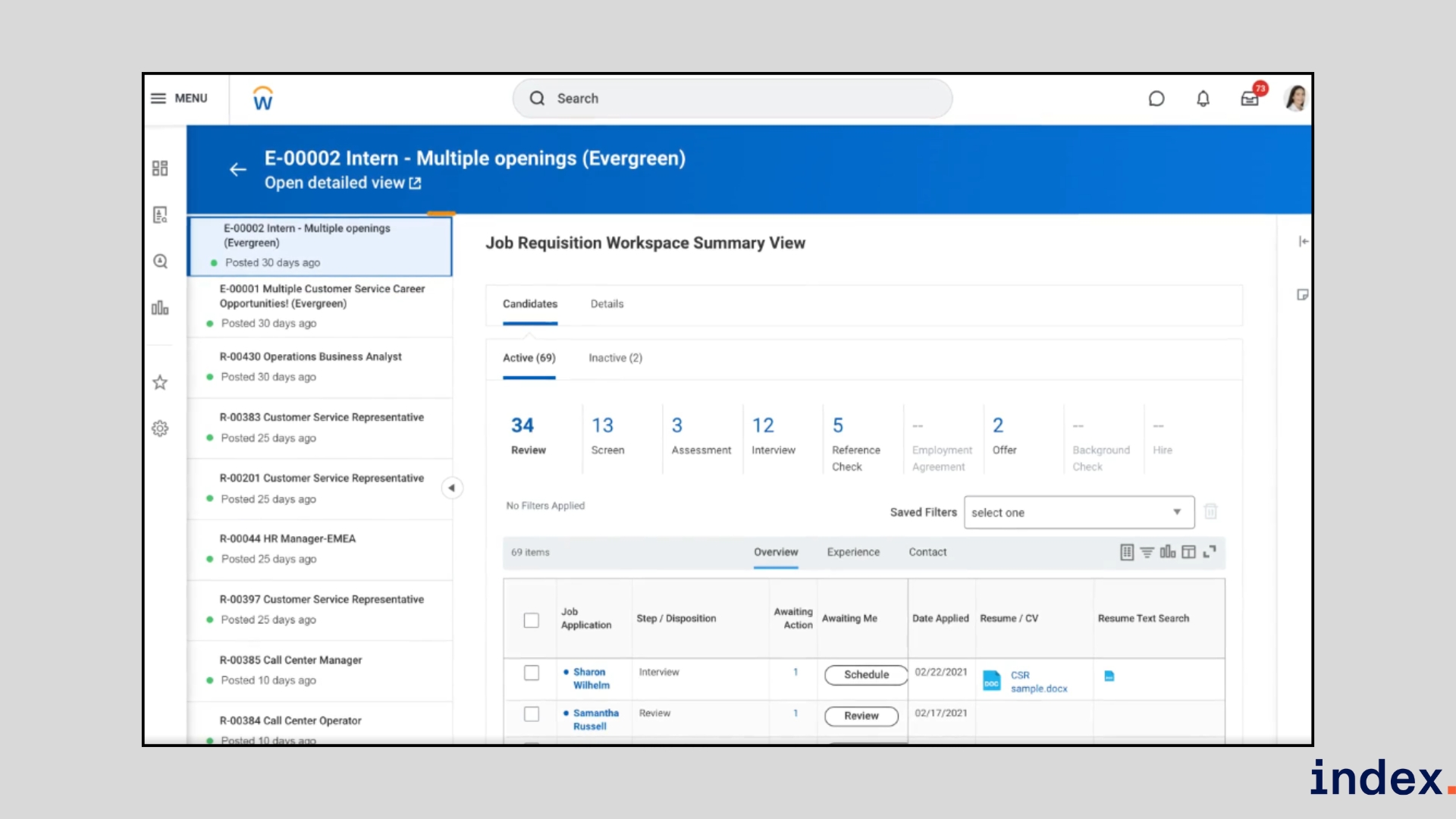
Here’s how Workday’s recruiting diversity dashboard allows recruiters analyze candidate sourcing and pipeline diversity metrics to monitor and improve inclusive hiring practices.
How it works
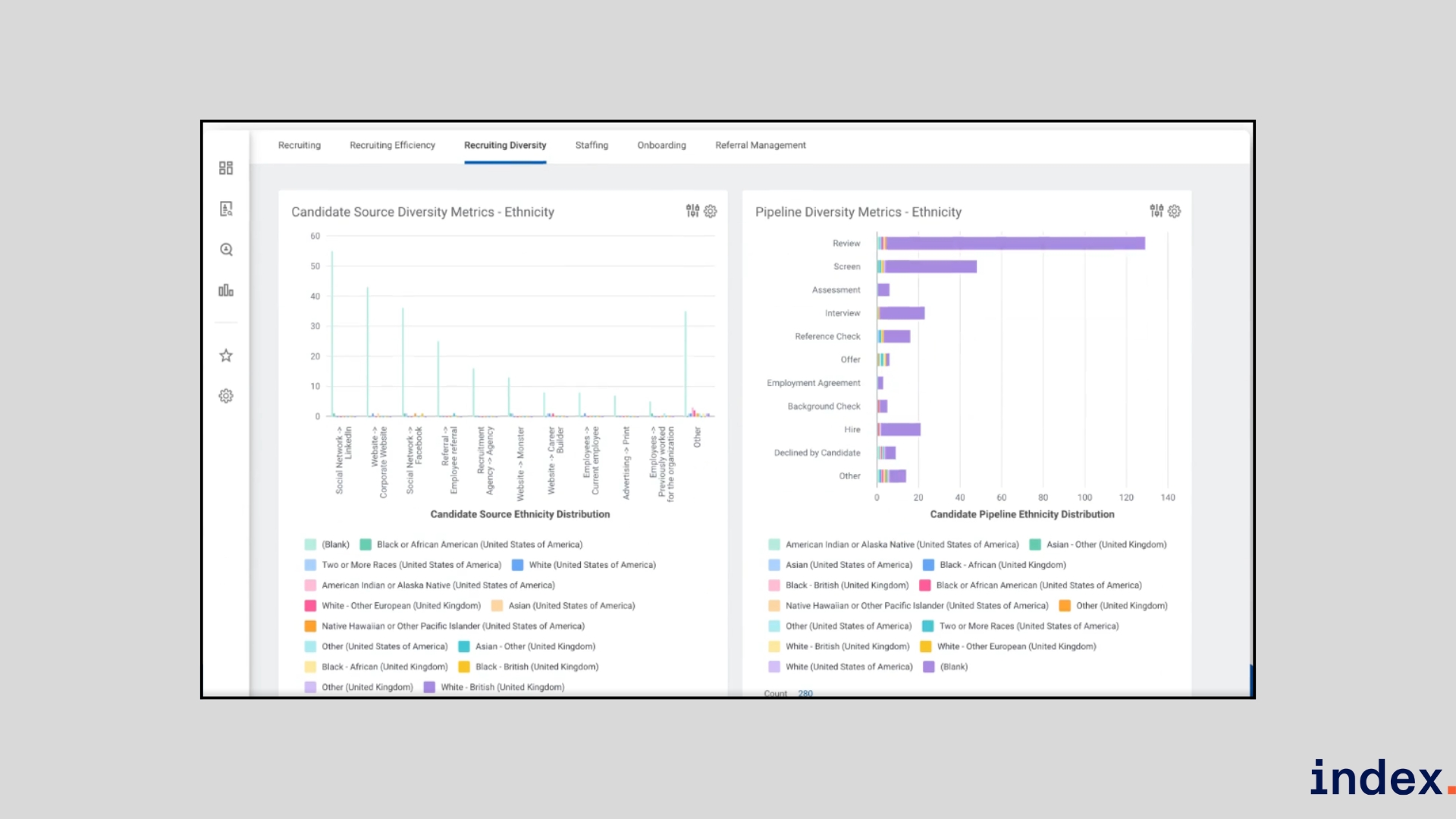
- Rediscover hidden talent – The system scans existing databases, such as past applicants, CRM leads, and internal employees, to surface qualified candidates who might otherwise be forgotten.
- AI-driven grading – Candidates are scored on role fit using unbiased AI models, ensuring rankings reflect skills and requirements rather than demographic or historical bias.
- Workflow alerts – Recruiters receive smart notifications that highlight high-value candidates and tasks, reducing bottlenecks in the hiring process.
- Diversity visibility – Real-time diversity metrics are shown during screening and shortlisting, not just at the end of the process, helping teams make more inclusive choices.
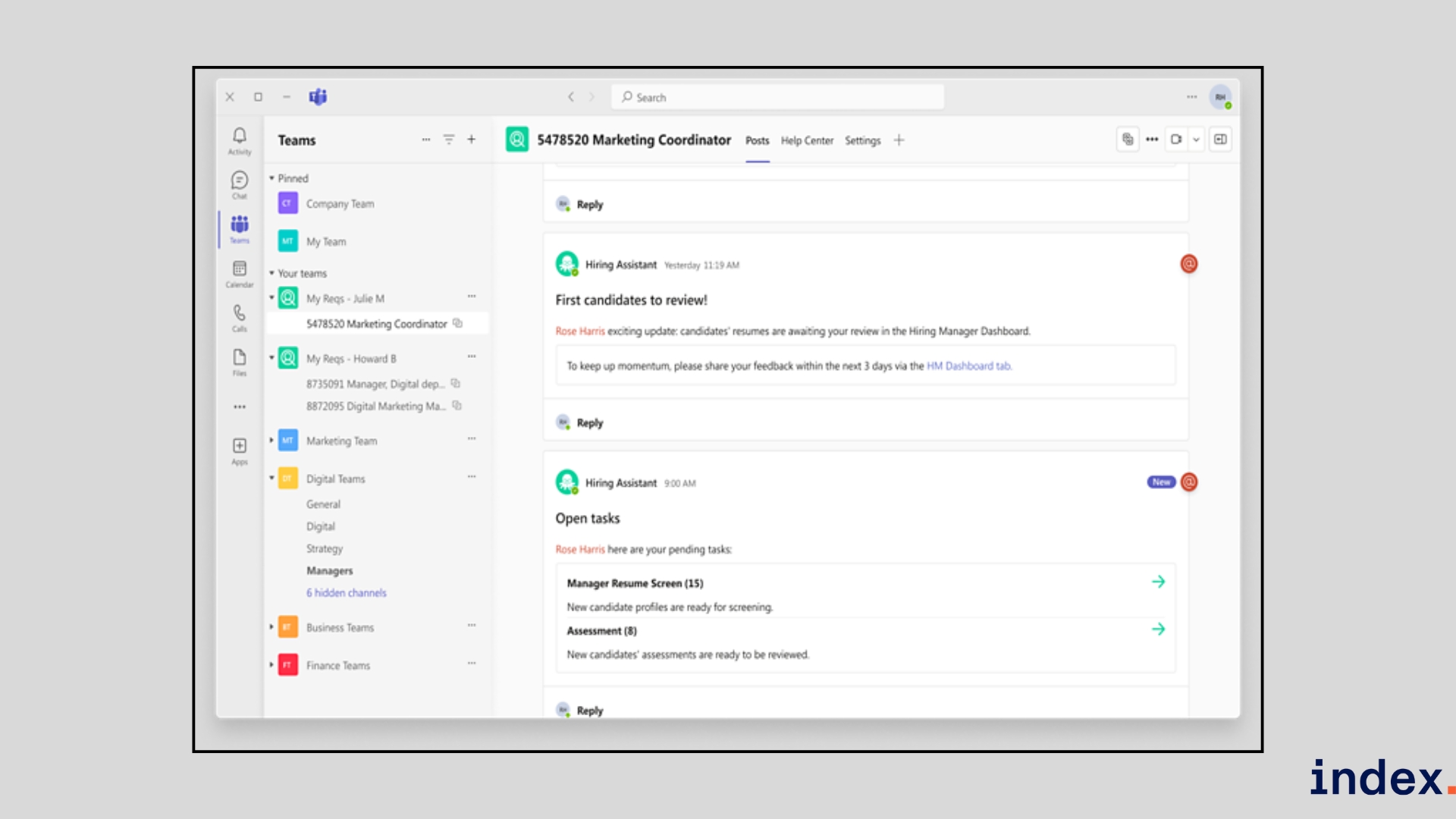
- Hiring manager collaboration – Rankings and insights are accessible directly inside Workday or tools like Microsoft Teams, so hiring managers can review and act quickly.
This image shows Workday’s Hiring Assistant integrated into Microsoft Teams, where recruiters and managers receive real-time candidate updates, resume reviews, and assessment tasks directly in their workflow.
Why we selected this tool
We selected HiredScore because it addresses fairness where bias often appears, during shortlisting. Its AI grading helped us compare candidates only on their role relevance, not on résumés or personal details.
We also valued how it resurfaced strong past applicants and gave us live diversity insights during the decision process. Together, these features created a hiring flow that felt both faster and more impartial.
Pricing
Enterprise pricing through Workday, based on hiring volume and integrations.
7. SeekOut
Most recruiting platforms focus only on résumés and keywords, which can leave out underrepresented or non-traditional candidates. SeekOut takes a different approach by using agentic AI and semantic intelligence to evaluate skills, achievements, and contributions across channels like GitHub, patents, and publications.
This allows recruiters to discover “hidden talent” that traditional searches miss. SeekOut, paired with diversity filters and inclusive analytics, enables teams to build fairer, more representative pipelines without sacrificing speed or quality.
How it works
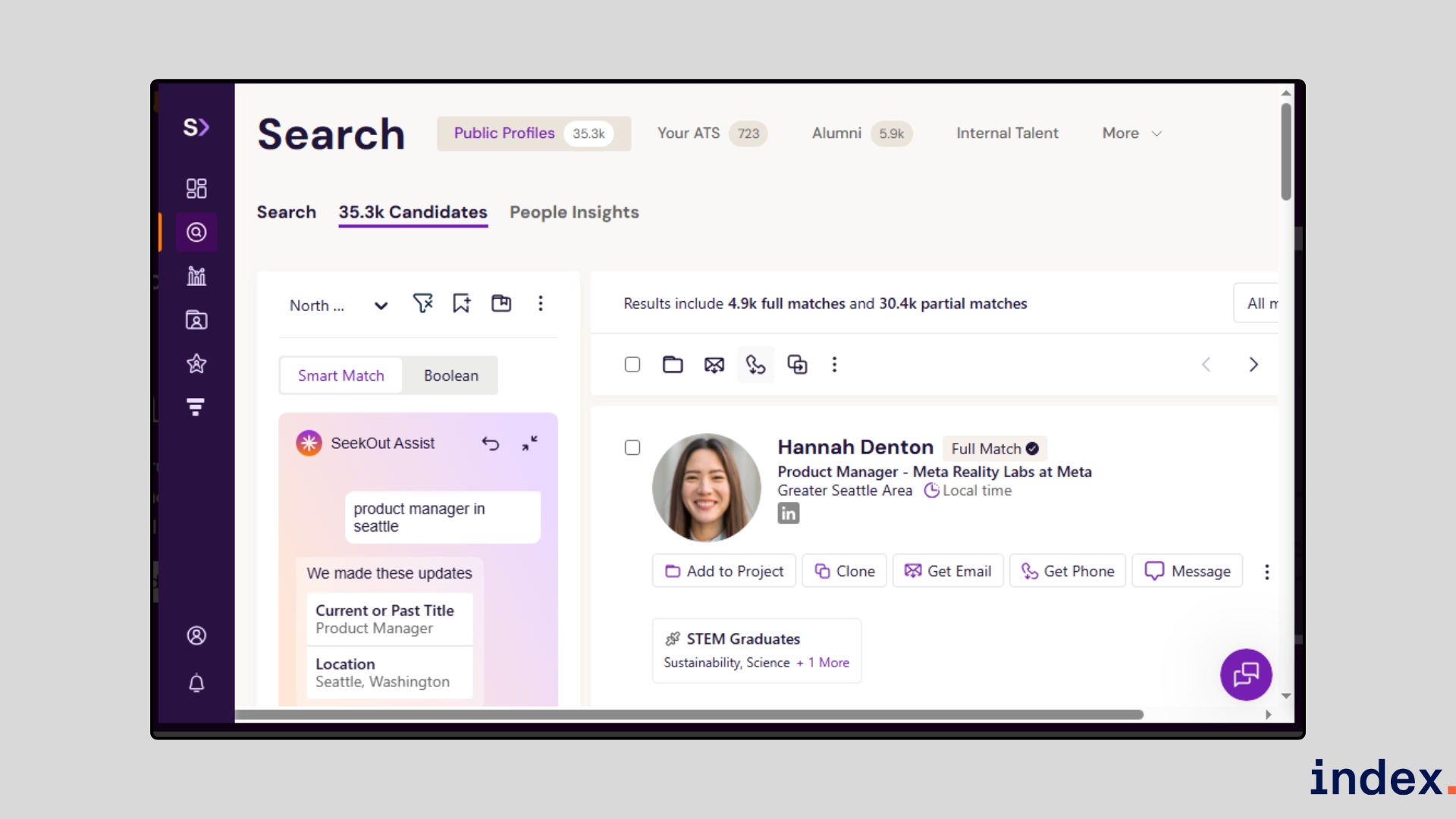
- Search beyond resumes– Recruiters can search billions of profiles with AI that understands context, not just keywords, surfacing candidates with real-world contributions (e.g., open-source projects, patents, publications).
This shows SeekOut’s search results, where AI-powered Smart Match and Boolean filters help recruiters instantly find and engage candidates that best fit the job role.
- Talent rediscovery – Existing ATS and alumni data are scanned to identify past applicants or internal employees who match current role needs, ensuring fair chances for those previously overlooked.
- Diversity sourcing – Built-in filters help teams expand sourcing funnels to include underrepresented groups, with metrics to track representation across roles, skills, and education.
- AI-guided workflows – Recruiters use Workspaces to turn job descriptions into search criteria, profile matches, and outreach sequences, standardizing the process so every candidate is evaluated consistently.
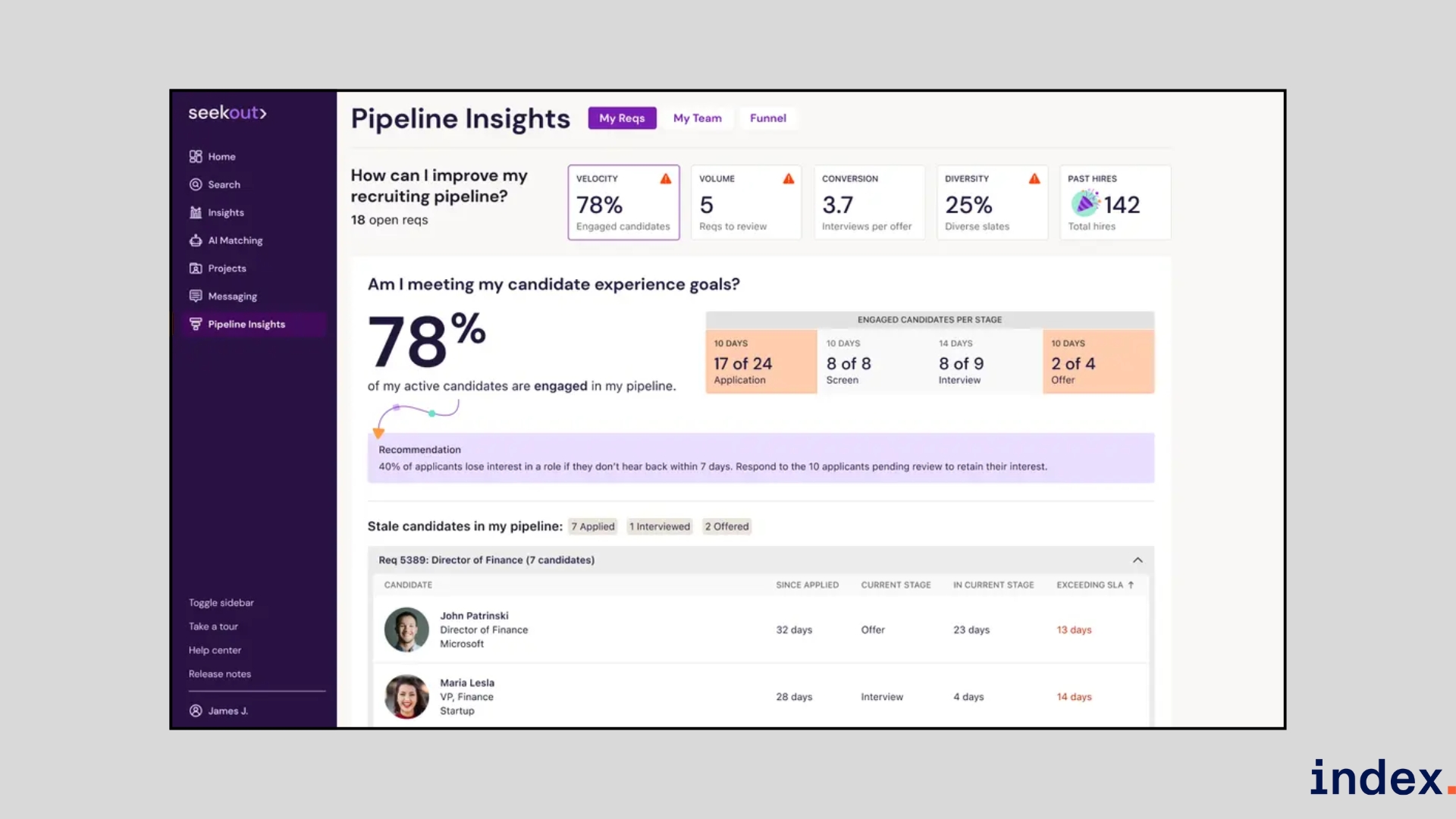
This shows SeekOut’s Pipeline Insights dashboard, where recruiters track candidate engagement, identify stale applicants, and monitor pipeline performance across velocity, conversion, diversity, and hiring metrics.
- Managed recruiting option – With SeekOut Spot, companies can combine AI with human recruiters to receive a slate of qualified, diverse candidates in as little as two weeks.
- Fairness tracking – Real-time analytics show diversity across pools, helping recruiters ensure representation goals are met as hiring progresses.
Why we selected this tool
We chose SeekOut because of its ability to find overlooked talent.
In our testing, its semantic search highlighted candidates with strong but non-traditional backgrounds who would have been invisible in resume-driven searches.
The diversity filters and real-time analytics also made it easier to ensure underrepresented groups were fairly included in the pipeline.
For us, SeekOut struck the right balance between speed, quality, and inclusivity.
Pricing
Custom plans available; pricing depends on modules (Recruit, Spot, or Diversity).
8. Impress
Hiring teams often struggle to balance speed with fairness. Impress.ai approaches this challenge by combining conversational AI, automated screening, and anonymized candidate data.
The platform converts personally identifiable information (PII) into non-PII, ensuring recruiters focus on skills and potential, not demographics. Its AI-driven workflows handle resume parsing, structured interviews, and candidate Q&A, while delivering a consistent and engaging experience.
The result of this approach is reduced unconscious bias, faster shortlisting, and stronger diversity outcomes.
How it works
- Application & Screening – Candidates apply through workflows that automatically parse resumes, score them against benchmarks, and launch conversational AI-powered structured interviews. This ensures that every applicant answers the same competency-based questions.
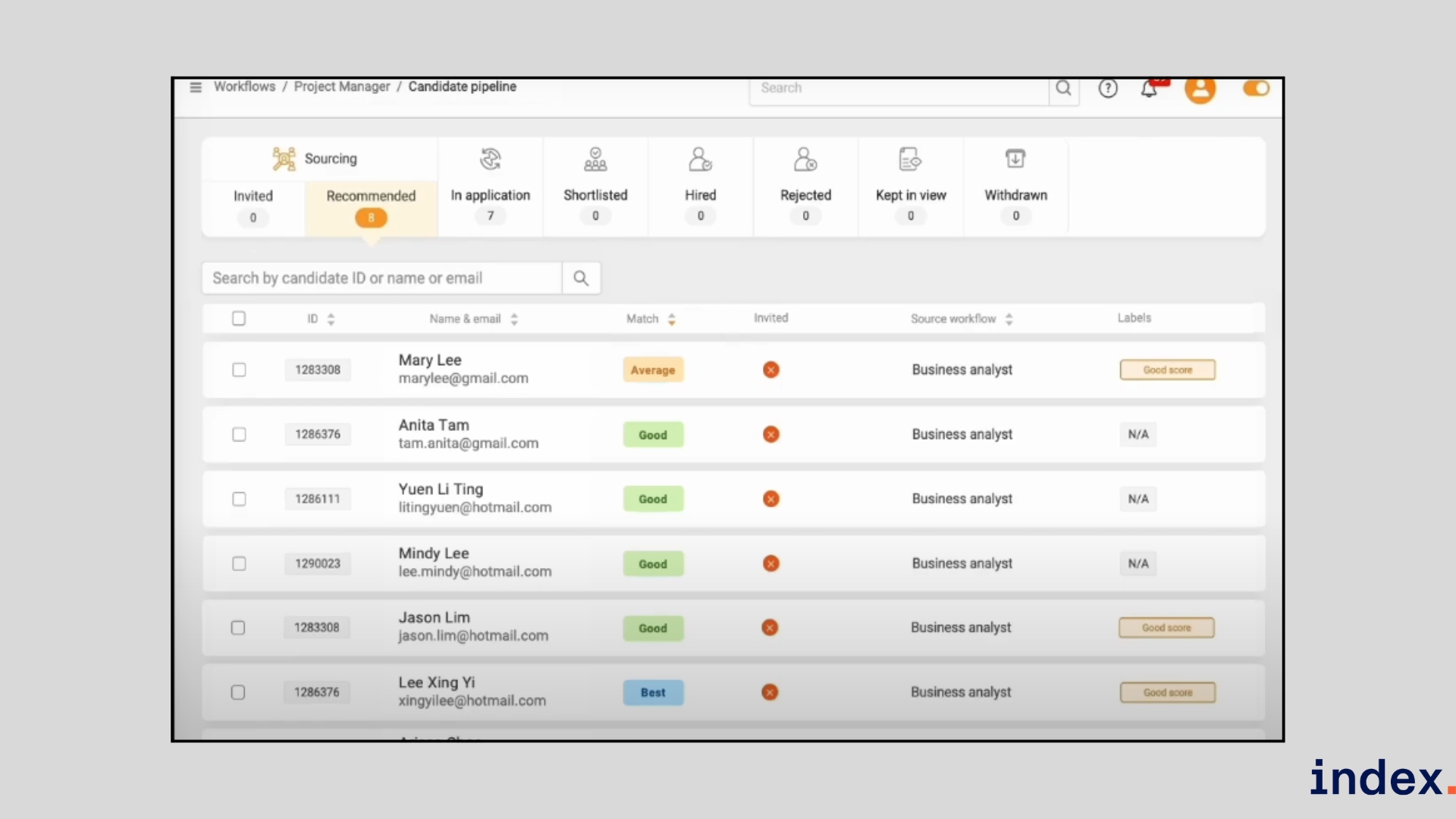
- Anonymized evaluation – Candidate data is stripped of personal identifiers, so hiring decisions rely on skills, experience, and test results rather than names or backgrounds.
This shows how Impress helps recruiters match candidates' profiles with the job’s best fit.
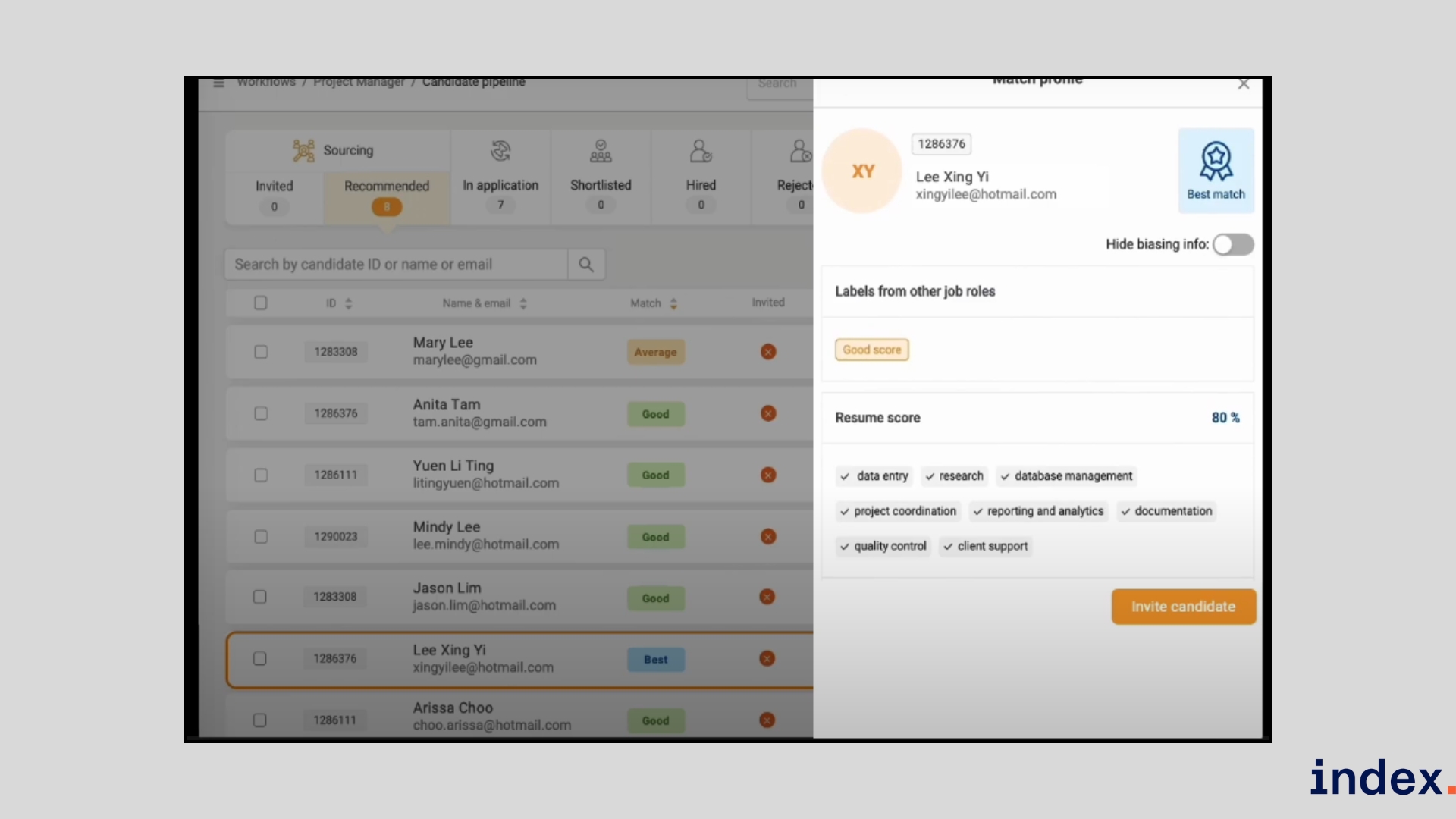
- Candidate engagement – A built-in FAQ engine answers queries in real time, providing a fair and responsive experience while reducing candidate drop-offs
- Aggregated scoring – Recruiters receive dashboards with auto-scored responses and integrated third-party assessment data. Weightages can be configured for different competencies, keeping evaluation transparent.
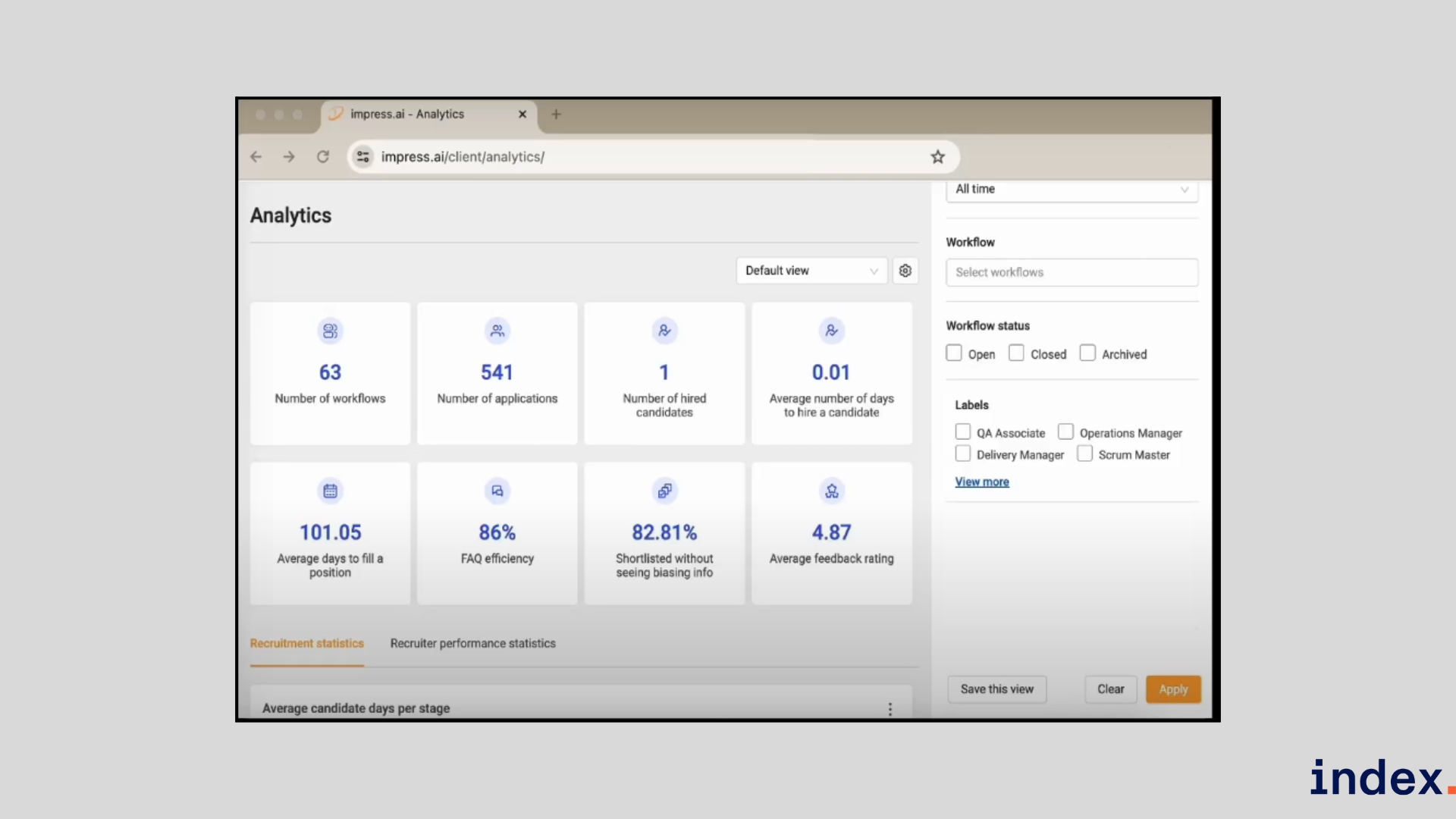
- Scheduling & integrations – Once shortlisted, candidates can be scheduled for interviews automatically. The platform integrates seamlessly with ATS, video interview tools, and analytics systems.
- Feedback & analytics – Candidate feedback and DEI analytics are captured, helping organizations track inclusivity progress and continuously refine their processes.
Why we selected this tool
We selected Impress.ai because it combines speed with fairness in a practical way. The platform’s ability to anonymize candidate data ensures screening is focused on skills, not personal details.
At the same time, its conversational AI interviews and automated dashboards gave us structured, bias-free evaluations that felt consistent and engaging for every candidate.
Pricing
Custom pricing is available based on use case; you can request for a tool demo.
9. Tengai
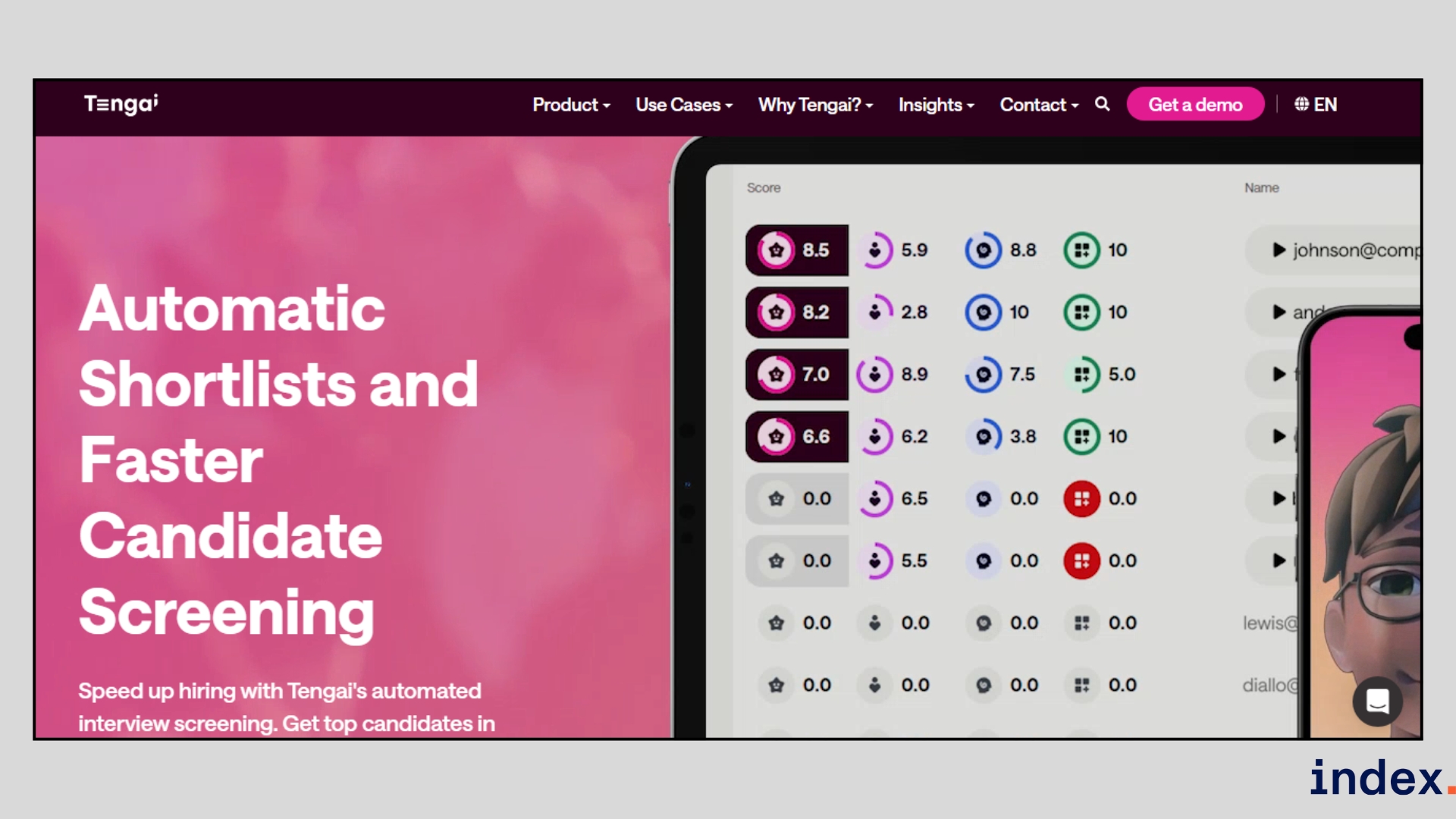
Tengai eliminates bias in the first stage of recruitment by replacing subjective CV reviews with AI-driven, structured interviews. Candidates interact with a conversational avatar that mirrors natural dialogue while asking the same validated questions to everyone.
The platform does not use facial recognition or historical candidate data, preventing age, gender, or cultural bias. Recruiters receive competency-based shortlists built on behavior and potential, not background. This ensures equal opportunities and a more inclusive, skills-focused selection process.
How it works
Tengai simplifies hiring into a clear, unbiased flow:
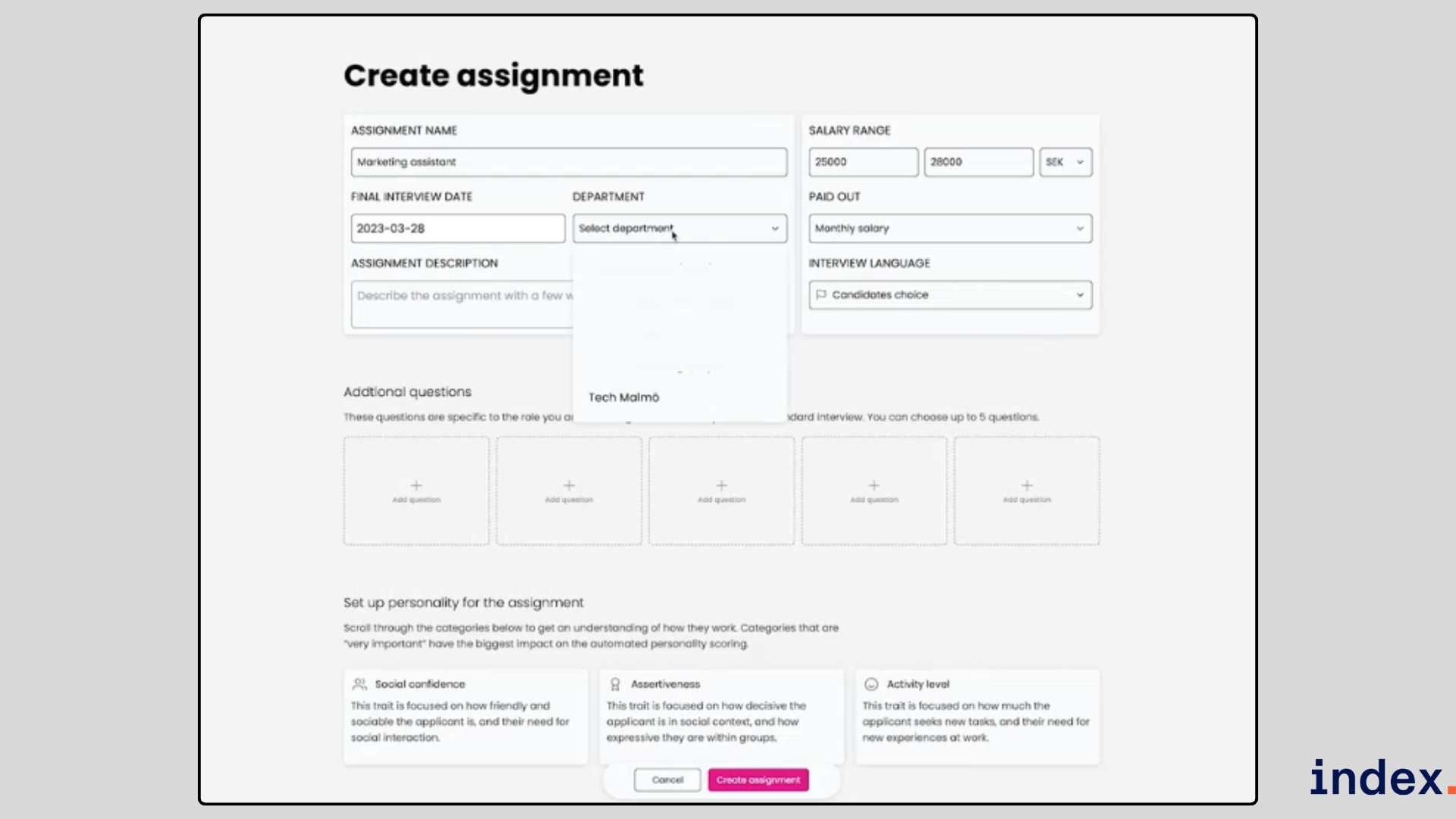
- Set up the assignment: Recruiters log into the Tengai Recruiting Hub, select role-specific screening questions, and choose personality or competency traits to assess.
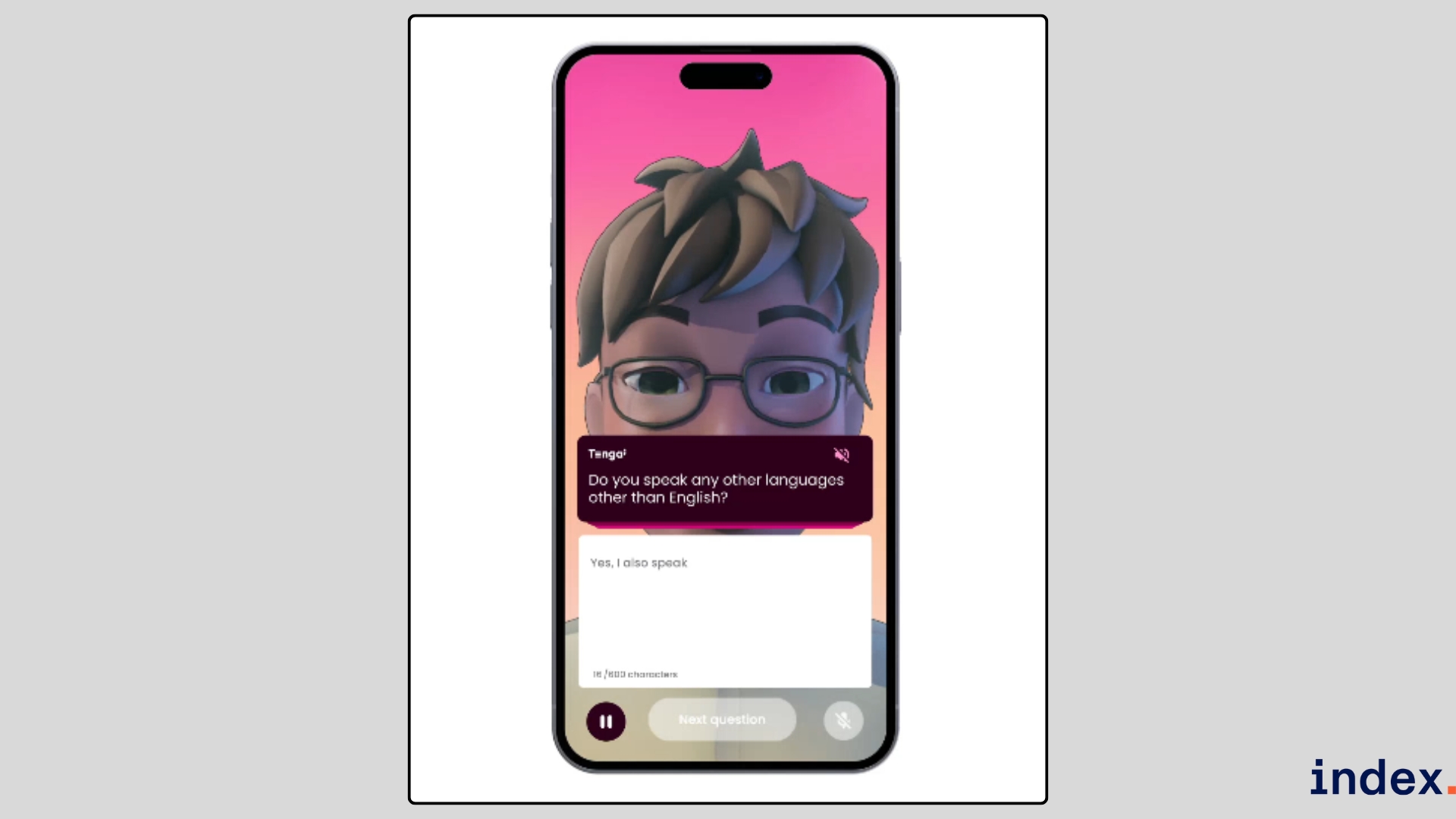
- Invite applicants: Candidates join interviews on desktop or mobile, at their convenience. No downloads needed. Tengai’s avatar engages them in a structured dialogue, asking the same questions to everyone in the same way.
- Automated interview & evaluation: The AI framework, validated by psychometric experts, measures skills, behaviors, and potential while eliminating influence from age, gender, or appearance.
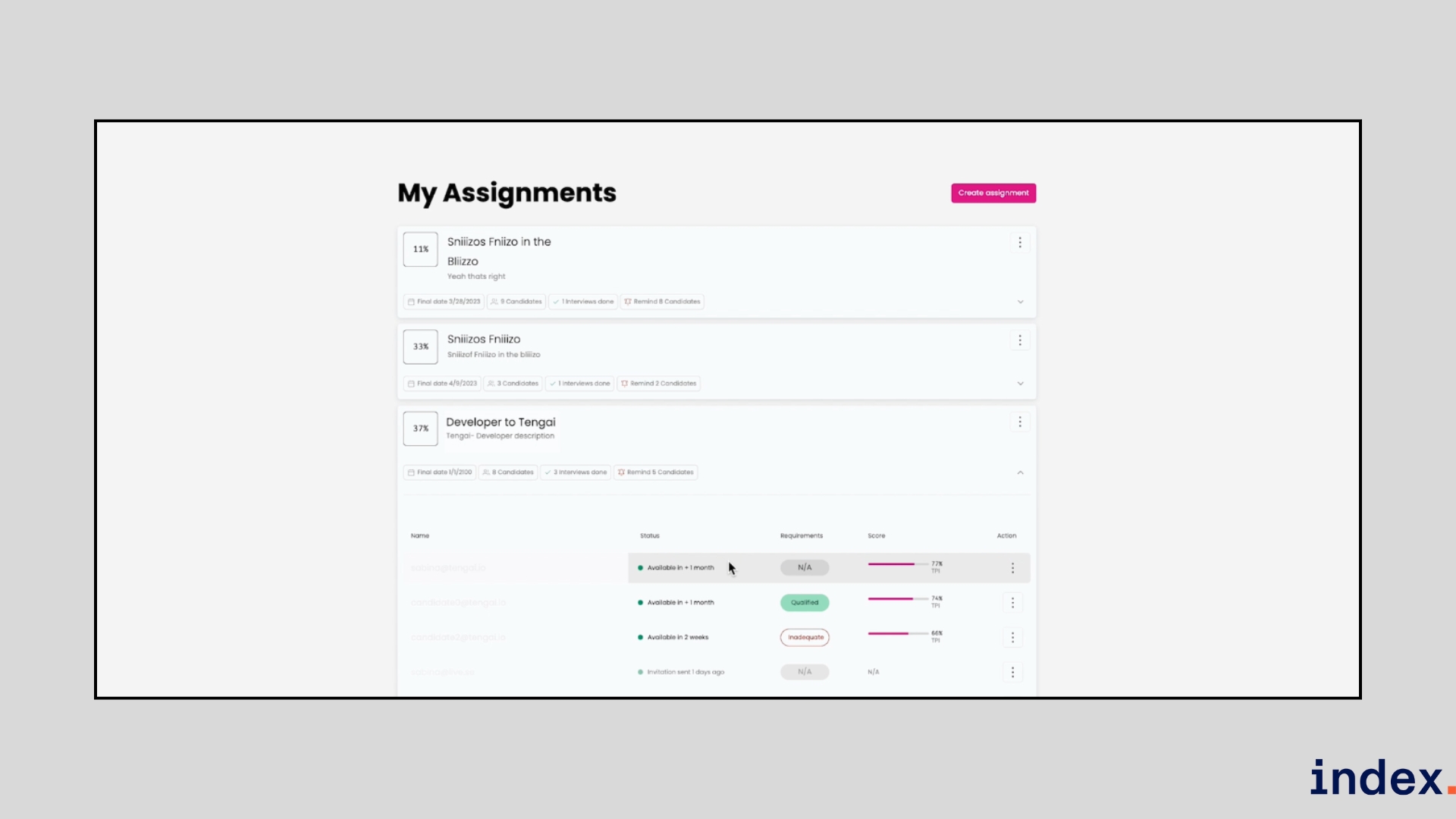
- Generate shortlist: Once interviews are complete, Tengai creates a ranked list of candidates based on objective criteria. Recruiters see clear, structured data instead of subjective impressions.
This image shows the list of candidates assessment after the interview.
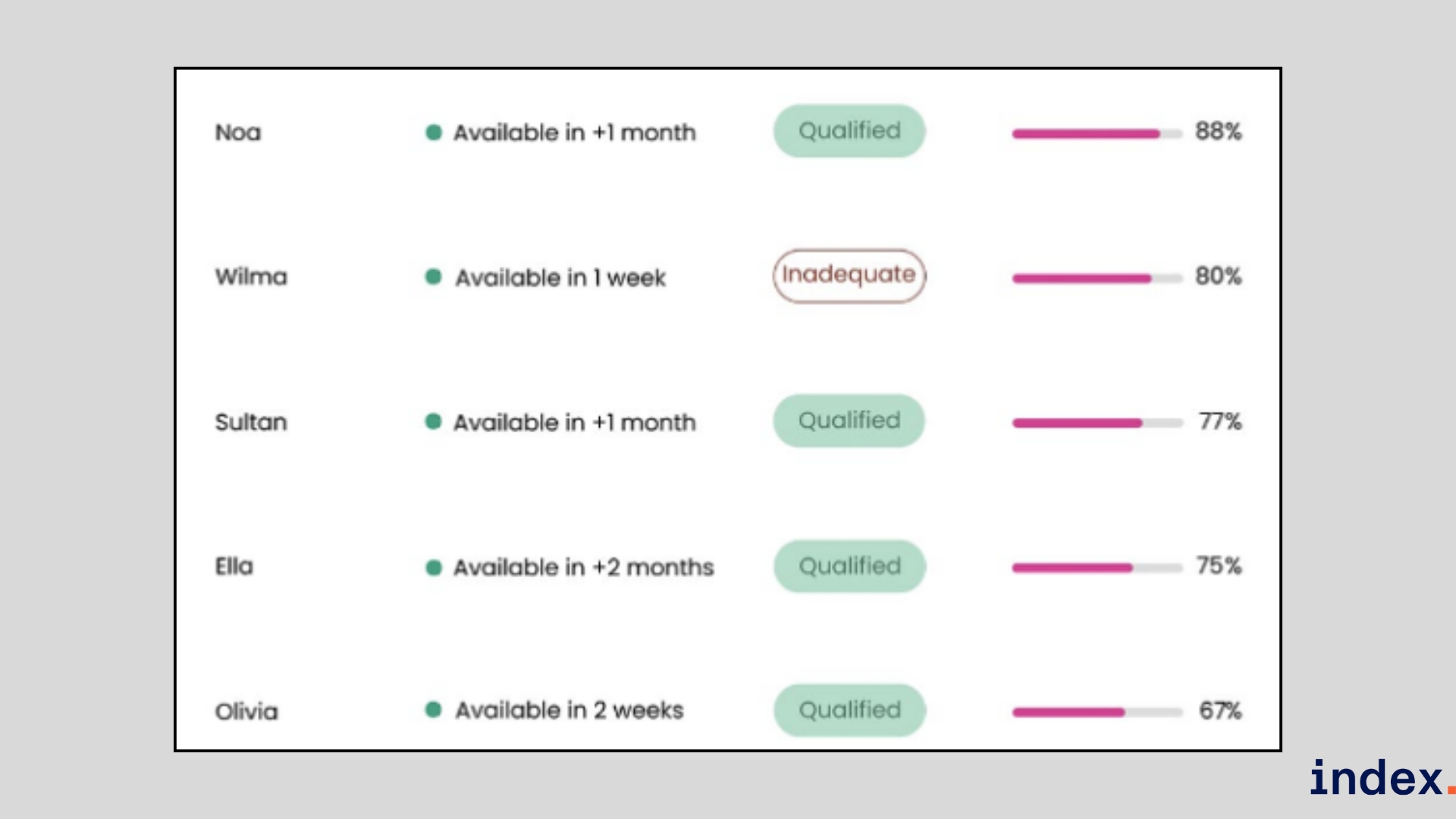
Here’s how Tengai creates a ranked shortlist of candidates with availability, qualification status, and fit scores to support fair, data-driven hiring decisions.
- Feedback to candidates: Every applicant receives personalized insights, making the process transparent and engaging, while boosting employer brand.
Why we selected this tool
We chose Tengai because it removes hidden bias from screening by using structured AI interviews instead of CVs or gut instinct. Its avatar-led conversations treat every applicant equally, regardless of background or appearance. The scientifically validated framework builds trust with both recruiters and candidates, making the early hiring stage transparent and fair.
Pricing
Tengai offers customized pricing based on hiring volume and integration needs.
10. Hirebee
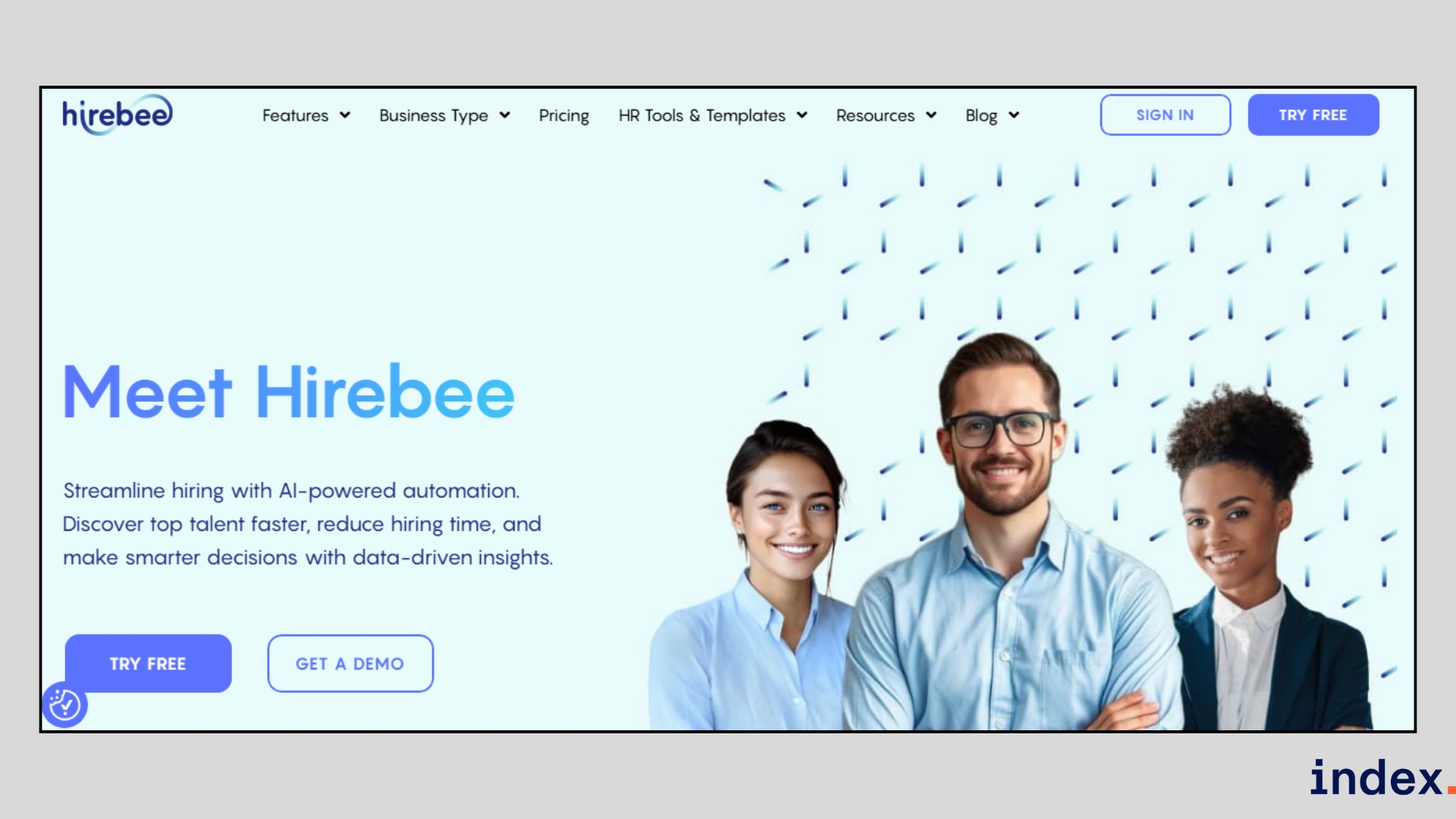
Hirebee is an AI-powered ATS that helps companies move away from gut-driven hiring and toward data-led, fair evaluations. Instead of relying solely on manual screening, Hirebee uses AI to parse resumes, highlight relevant skills, and match candidates to roles based on objective criteria.
Its recruitment marketing and analytics tools ensure every applicant is assessed consistently, helping businesses, especially startups and SMBs, hire inclusively without sacrificing speed.
How it works
Hirebee organizes the hiring journey into clear, bias-free steps:
- Post the job – Recruiters create an opening once, and Hirebee automatically distributes it across multiple job boards and platforms. This ensures broad visibility and attracts candidates from diverse backgrounds.
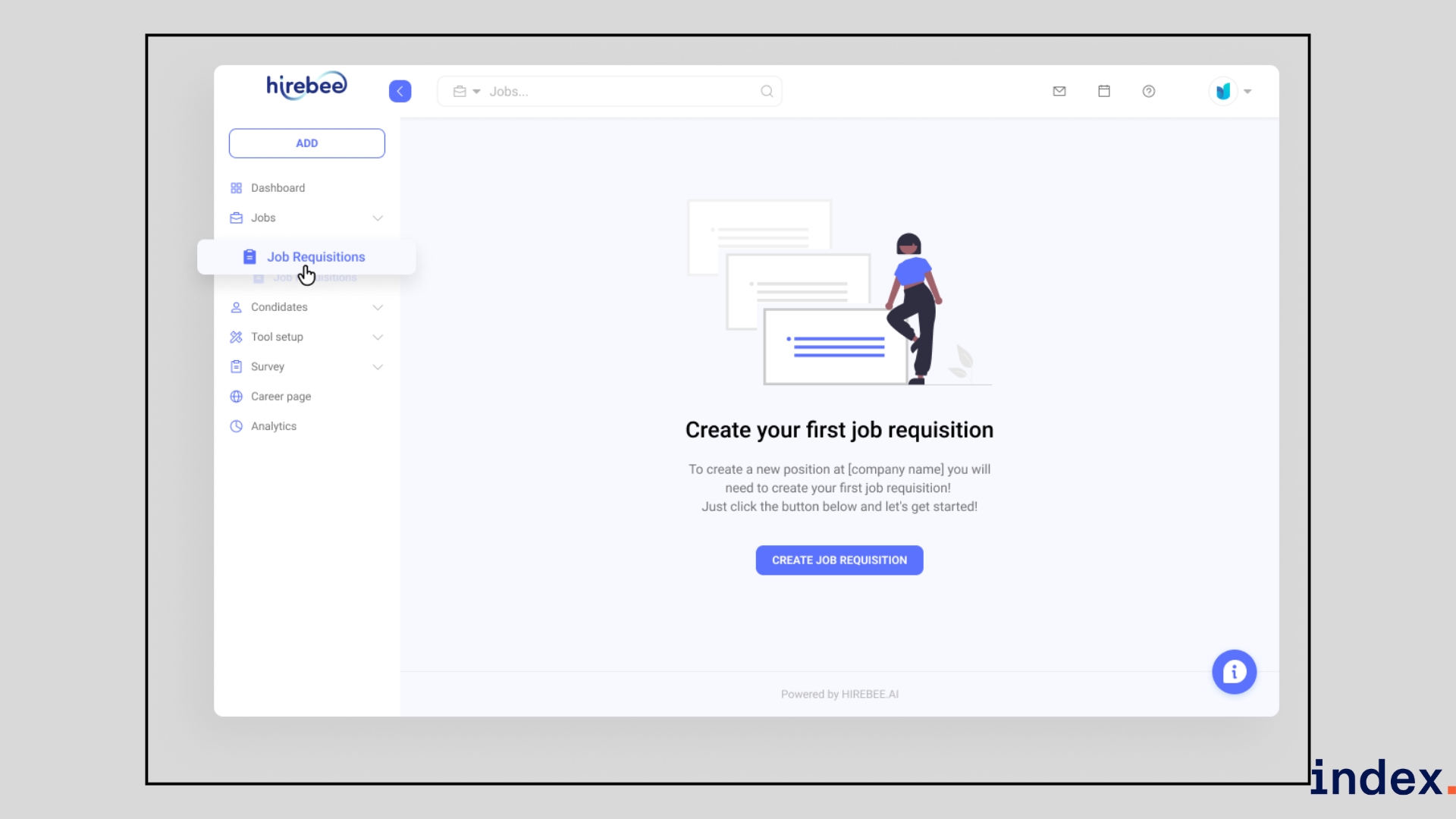
- Collect applications – All applications flow into a single dashboard, where every candidate gets equal visibility. This prevents strong profiles from being overlooked in scattered inboxes.
This shows Hirebee’s Chrome extension, which enables recruiters to source candidates directly from LinkedIn and instantly add them to jobs or talent pools with one click.
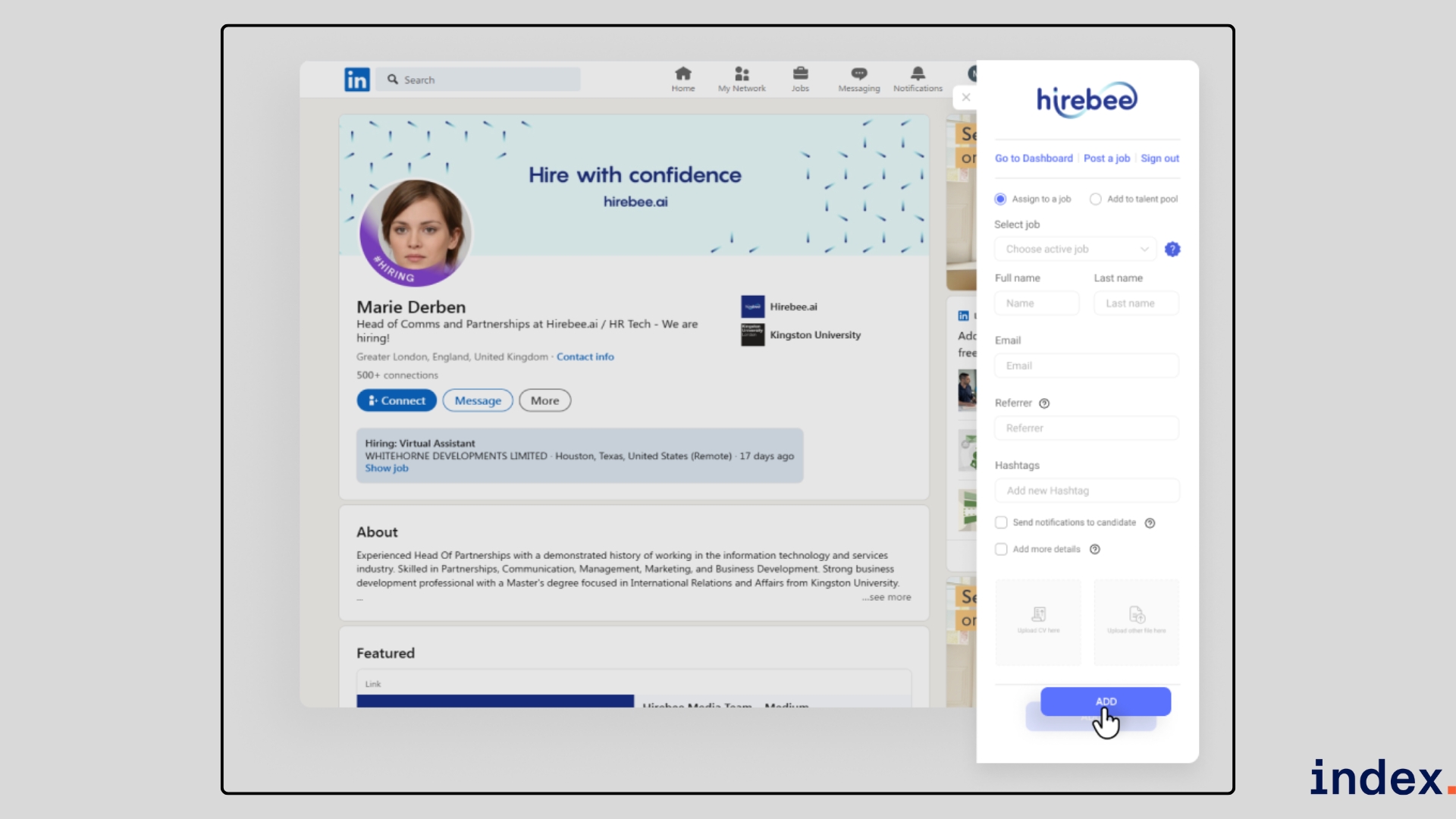
- AI-driven screening – The platform uses machine learning to parse resumes, assess skills, and rank candidates against job requirements. By ignoring personal identifiers, the system focuses purely on capability and fit.
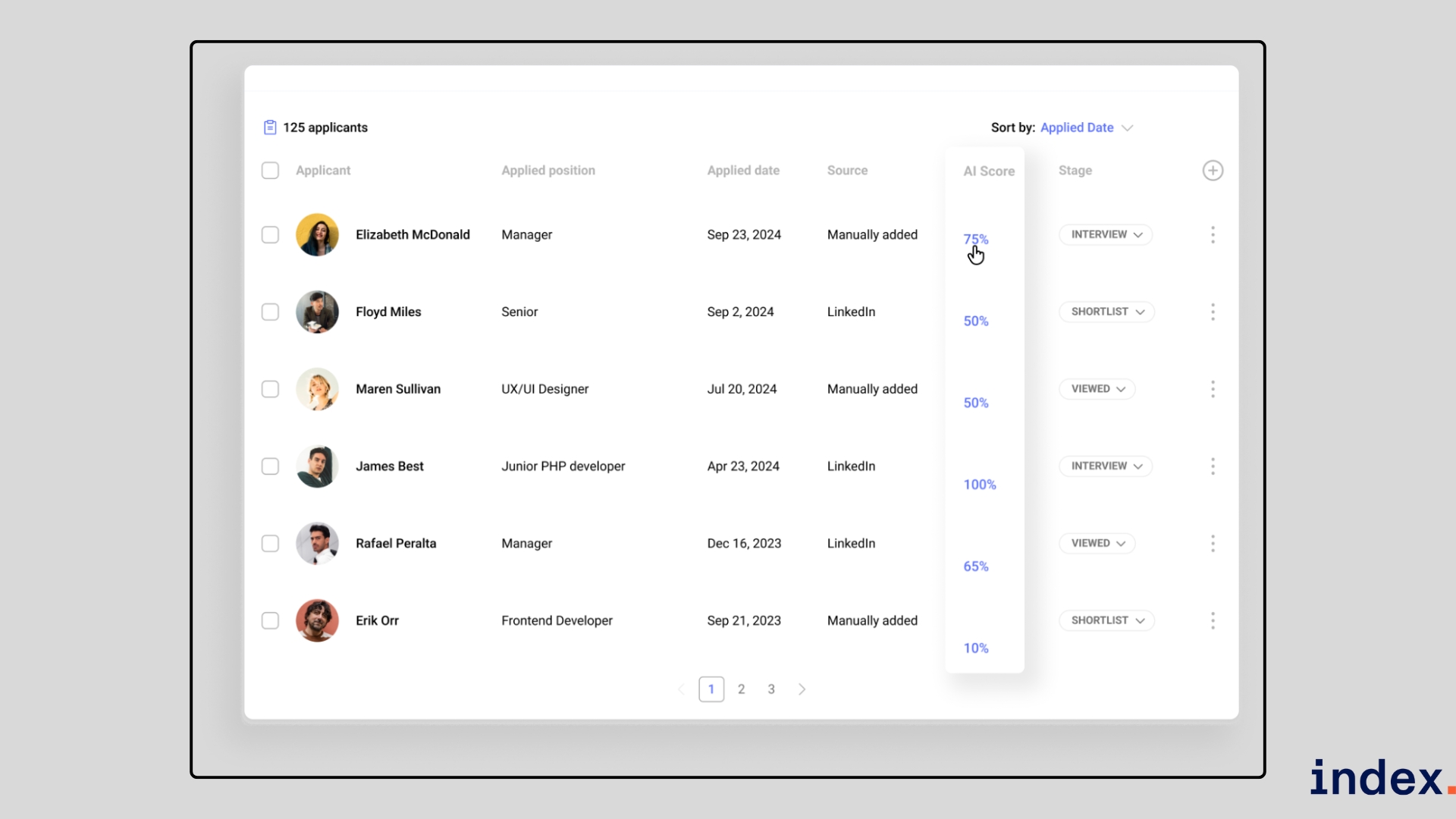
- Collaborative review – Teams can share candidate profiles, leave feedback, and compare evaluations in one place, making decisions transparent and reducing individual bias.
- Candidate engagement – Automated emails, updates, and interview scheduling keep candidates informed and engaged throughout, creating a fair and consistent experience.
This shows Hirebee's integrated scheduling workflow, where recruiters can sync with Zoom, Google Meet, or Outlook to manage interview invites and candidate communications directly from the dashboard.
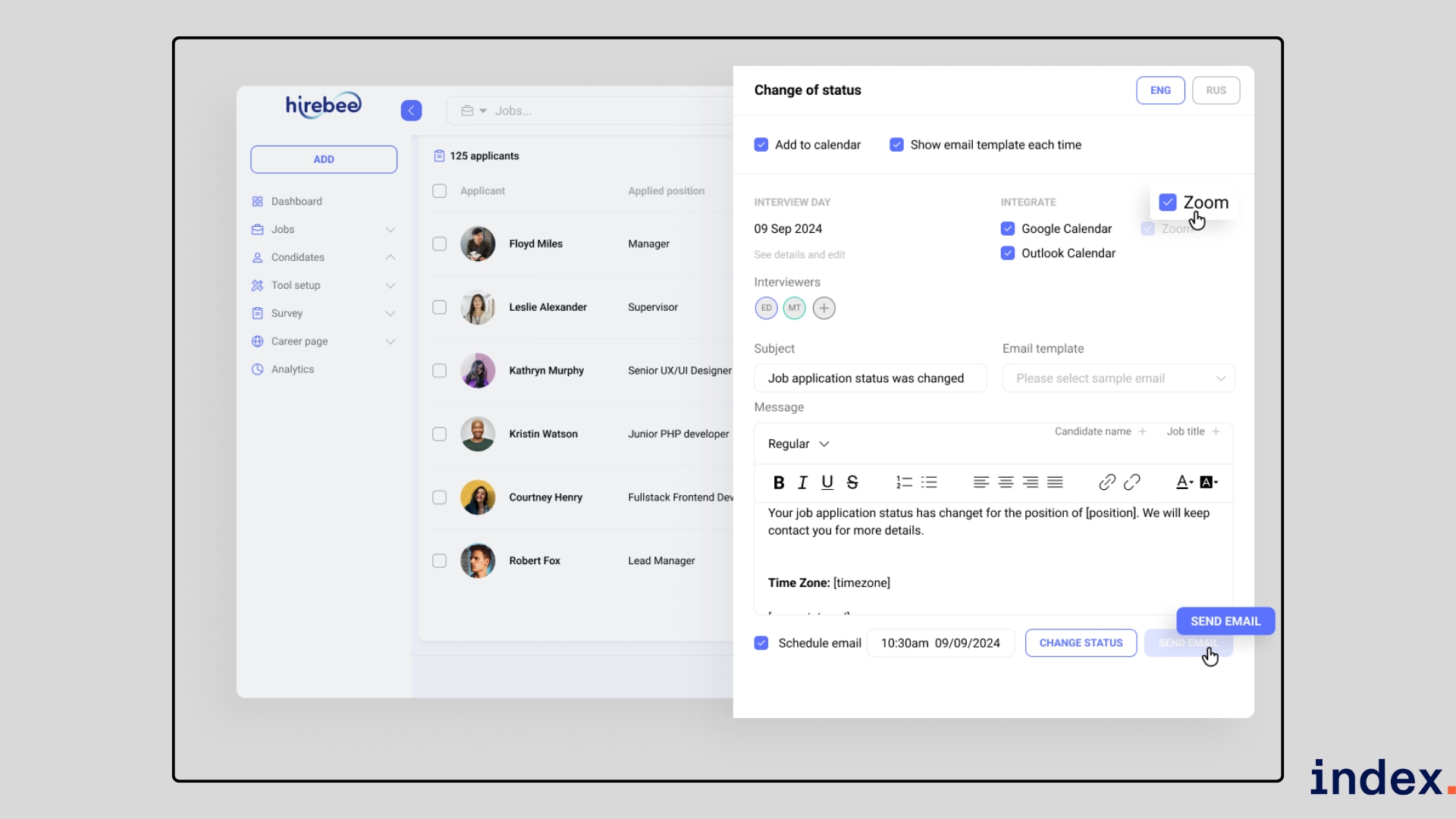
- Data-backed decisions – Built-in reporting highlights hiring trends, pipeline strengths, and potential blind spots, helping HR refine processes for even more impartial outcomes in the future.
Why we selected this tool
We selected Hirebee because it brings enterprise-grade fairness to smaller businesses. The AI screening feature helped us focus on skills and experience while ignoring subjective details. In our testing, the resume parsing and automated scoring surfaced candidates we might have overlooked manually.
For teams without large HR resources, Hirebee can make unbiased hiring scalable, ensuring that every applicant had the same chance to be noticed and shortlisted.
Pricing
14-day free trial available; paid plans offered with custom pricing.
Check out the best hiring websites for fast matching, expert vetting, and flexible pricing.
Final words
At the heart of hiring is fairness, every candidate deserves to be seen for their skills, not their background. The platforms in this list are more than just tools; they’re steps toward creating workplaces that value diversity, inclusivity, and equal opportunity.
By reducing bias and making evaluations transparent, these AI solutions help companies hire with confidence and compassion. Choosing fair hiring practices isn’t just good for business, it’s about building teams where everyone feels they truly belong.
Fair hiring meets top talent. Start building your team with Index.dev now.


