
Businesses squander tremendous hours and resources when they use standard recruitment criteria. In today's competitive software engineer recruitment climate, a more current approach to talent acquisition is required. What does this updated, contemporary software engineer recruitment process entail, and how effective is it? Continue reading to learn more.
There are around 4.4 million software developers in the United States alone. With so much talent available, it's easy to believe that discovering and recruiting the ideal applicants for software development roles will be a piece of cake.
Unfortunately, headhunting qualified personnel for software development and other IT-related professions is a difficult issue for most businesses. In reality, according to 2020 data from the US Labor Statistics, the present worldwide talent deficit has reached 40 million qualified workers, with the amount predicted to quadruple by 2030.
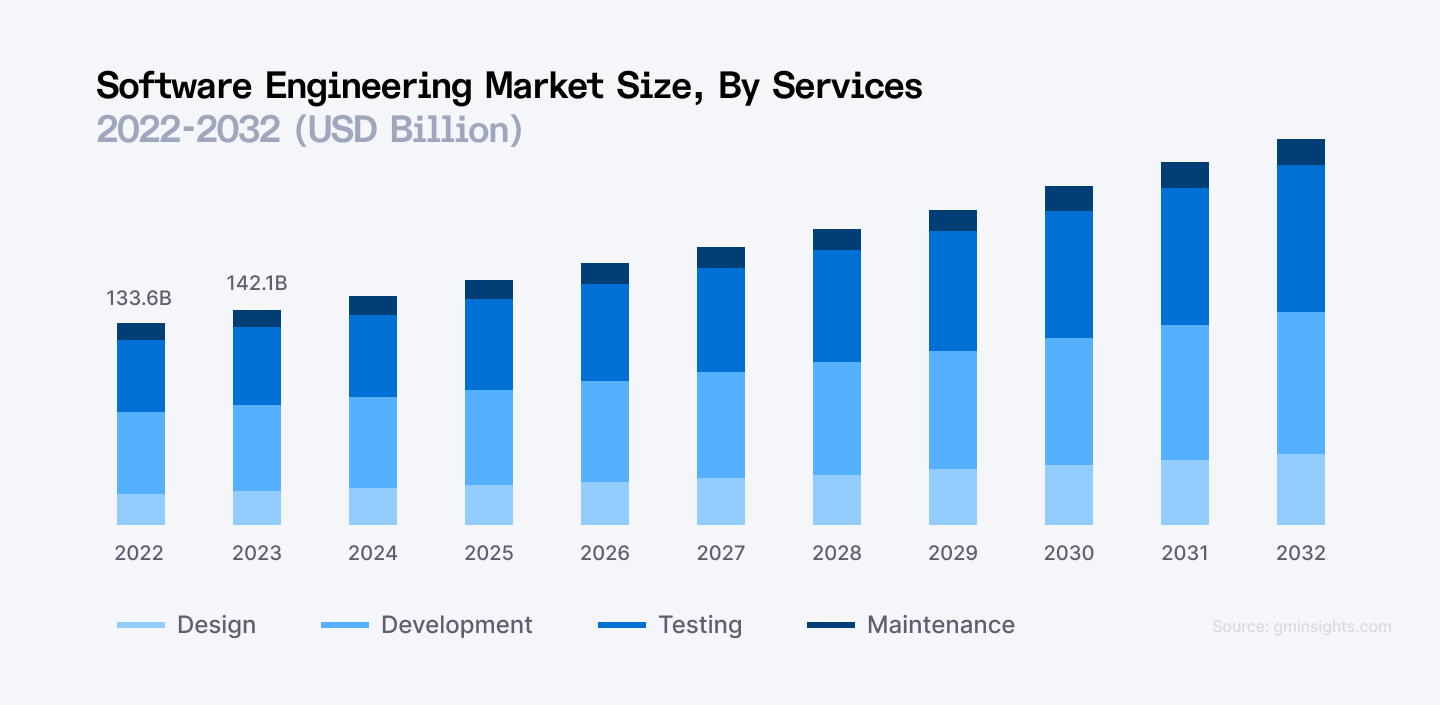
Everything from crafting engaging job descriptions to utilizing the latest tools and industry best practices, we'll guide you through the whole hiring process. Along the process, we'll offer practical advice, professional viewpoints, and real-world examples to help you avoid common traps and distinguish yourself as a top employer.
You will have the tools necessary to see hiring software engineers as a competitive advantage rather than merely a chore by the end of this guide. So let's get started.
…
We at Index.dev offer a vetted talent network of senior developers ready to tackle your projects. Here’s what we provide:
🎯The top 5% of developers, QA specialists, designers, and project managers.
🎯Hard-to-find experts for your most in-demand roles.
🎯No hidden hiring fees and a 30-day risk-free trial to assess your new hire's performance.
Access Index.dev’s network of expertly vetted developers today.
…
Understanding the Software Engineering Market
Businesses must be imaginative when hiring software developers in today's competitive digital world to stay ahead of the competition.
Understanding the IT talent environment can help firms make the best hiring decisions, reducing time and resource loss from mishandling. In this part, we'll examine US IT talent trends.
Key Trends Shaping the Tech Talent
1. Economic Contribution
Tech accounts for about 10% of the U.S. economy, contributing $1.9 trillion in value-added GDP, according to SelectUSA. Without a doubt, the IT industry drives US economic development, and as more industries use technology, the numbers are anticipated to rise.
Computer and information technology employment is expected to expand 11% from 2019 to 2029, faster than the average for all occupations, according to the U.S. Bureau of Labor Statistics.
2. Rising Tech Adoption
Retail, healthcare, and most other businesses have digitized. Just providing digital solutions has shown businesses the extent of technology can reach. Businesses are using cloud computing, artificial intelligence, and cybersecurity nowadays.
IT skills are obviously much sought for. Statista predicts around 6 million U.S. IT employees by 2030. CompTIA noted approximately 918,000 tech job postings in Q4 2020 despite the COVID-19 pandemic and stay-at-home instructions.
CompTIA found in 2022 around 4.1 million tech job opportunities in the United States. All of these demonstrate, in spite of the recession, the continuous need for skilled IT professionals.
3. Skilled Worker Shortage
Even though universities are awarding more bachelor's degrees in computer science and related sciences, there is still a shortage of talent to fill tech jobs and meet industry demands, according to the National Center for Education Statistics.
Skills shortages make it difficult for IT companies to hire and retain top workforce. Companies compete for top software developers as the tech environment evolves and creates more jobs. Many firms simply use the finest software engineer recruiters to discover top IT professionals who get the job done and add value.
4. Rising Salary
Tech talent is scarce, therefore corporations are paying hefty wages to attract the finest individuals. American software talent earns an average of $105,470 per year, according to Glassdoor, and is likely to rise.
It is reported that entry-level IT jobs start at $75,000 and can quadruple or more depending on how rapidly tech talent advances professionally and emotionally.
Tech experts in high-demand tech hubs like New York City, San Francisco, and others earn even more, demonstrating how competitive the tech market is for organizations seeking competent IT expertise.
5. Remote Work Opportunities
After the COVID-19 pandemic, typical workstations changed. Remote work lets more organizations hire IT expertise from outside.
Based to Forbes 2023 data, 12.7% of full-time workers work from home, while 28.2% are hybrids. With the rise of remote work, software developer recruiters and employers may now access more IT talent.
6. Diversity and Inclusion
Technological diversity and inclusion include bringing together talent with varied cultures, life experiences, and thinking styles. Diversity inspires creative solutions to complicated issues.
Diversity and inclusiveness are essential to high-performing IT teams. For ethnic and cultural diversity, McKinsey & Company found that organizations in the top quartile outperform their counterparts by 36%. Tech businesses are recruiting diversely and inclusively due to this and other findings. To improve efficiency and consumer satisfaction, they are more open to varied collaborations.
Key Skills to Look For in Software Engineers
Recruiting suitable software engineers necessitates comprehending the combination of technical and interpersonal qualities that contribute to success.
- Technical Skills: Proficiency with programming languages (e.g., Python, JavaScript, Rust), frameworks (e.g., React, Angular, Django), and system design concepts is essential. Proficiency in debugging and knowledge of DevOps tools such as Docker and Kubernetes further differentiate exceptional candidates.
- Interpersonal skills: Proficient engineers encompass more than just coding abilities; they are adept communicators, flexible in the face of change, and excel in collaborative settings.
- Emerging skills: As technologies like cloud computing, blockchain, and artificial intelligence progressively transform sectors, expertise in these domains is becoming increasingly advantageous.
By integrating fundamental and advanced talents, recruiters may discern applicants prepared to address both present and prospective issues.
Recruitment Challenges
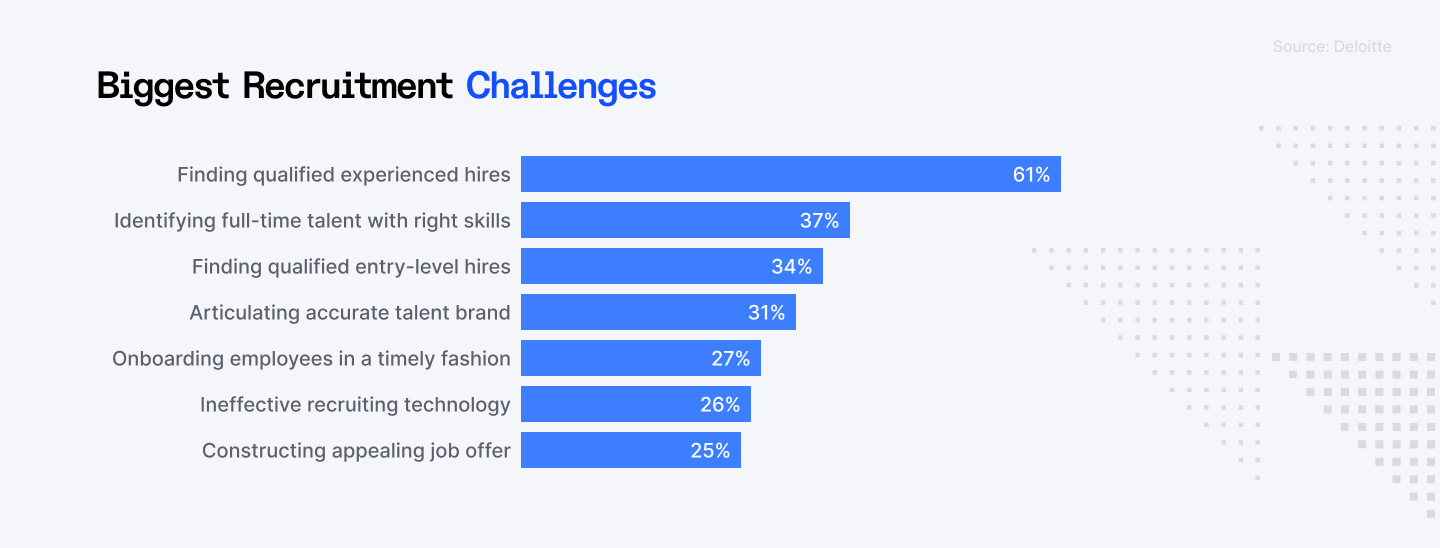
Notwithstanding the plethora of talent, the recruiting of software engineers continues to encounter significant challenges.
- Talent shortages: The availability of skilled engineers frequently does not meet industry demand, resulting in intense rivalry among companies.
- Competition: Corporations such as Google, Amazon, and Microsoft provide attractive compensation and benefits, elevating the standards for other entities to recruit elite personnel.
- Retention challenges: Despite recruitment efforts, maintaining qualified engineers becomes tough in a market characterized by frequent and frequently profitable job transitions.
- Frequent errors in candidate evaluation intensify these difficulties. An excessive dependence on algorithmic coding evaluations may neglect applicants with exceptional problem-solving and system design abilities, while demonstrating worse performance on artificial assessments. Neglecting to evaluate cultural fit may result in incompatible recruits, adversely affecting team cohesiveness and productivity.
Comprehending the software engineering domain is the initial step toward excelling in recruitment. By remaining vigilant of industry changes, emphasizing essential abilities, and confronting recruiting challenges directly, organizations may establish themselves as frontrunners in attracting and retaining premier talent.
Explore More: 11 Mistakes to Avoid When Hiring Remote Software Developers
Defining the Role and Building the Job Description
The cornerstone of effective software engineer recruiting is the precise delineation of the function and the formulation of a job description that appeals to elite candidates. This phase guarantees coherence between recruiting teams and candidates, minimizing discrepancies and optimizing the recruitment process.
Clearly Define the Role
Prior to composing a job description, it is important to collaborate with technical leads and principal stakeholders to ascertain the precise requirements of the team or project. A comprehensive grasp of these needs will facilitate the distinction between general and specialized jobs.
- Generic roles: These include generally defined occupations such as "Software Engineer" or "Developer." Although these positions provide flexibility, they may appeal to a diverse array of people, some of whom may not conform to the specific job requirements.
- Specialized Positions: “AI/ML Engineer,” “DevOps Specialist,” or “Front-End Developer with React Proficiency” focus on particular talents and expertise. This accuracy guarantees that applicants possess the necessary competence for quick contribution.
By outlining the role's scope—be it constructing scalable backend systems, improving UI/UX, or executing DevOps pipelines—recruiters may establish explicit expectations and draw suitable candidates.
Creating a Compelling Job Description
A well constructed job description delineates expectations while simultaneously promoting the position to prospective candidates. Here is what to incorporate:
- Job title: Utilize explicit and precise titles such as “Senior Backend Developer – Python/Django” instead of ambiguous words like “Tech Guru.”
- Responsibilities: Emphasize primary tasks, such as "Develop and sustain RESTful APIs" or "Collaborate with interdisciplinary teams to architect scalable cloud solutions."
- Essential skills: Detail the required technical proficiency, including programming languages, frameworks, or tools, along with the necessary years of experience.
- Desired skills: Include supplementary talents such as expertise in certain techniques (e.g., Agile) or relevant certifications (e.g., AWS Certified Developer).
- Compensation and benefits: Clearly disclose the wage range, advantages such as remote work, professional growth possibilities, and health benefits.
Avoid using words that can deter particular groups and instead use inclusive language to draw in varied talent. Substitute “rockstar coder” with “proficient software engineer” to uphold professionalism and enhance attractiveness.
Examples of Job Descriptions
A good example is: “We are looking for a Front-End Developer who is proficient in React to create responsive web applications. Collaboration with UX designers and backend developers, producing clean, tested code, and project maintenance are all part of the job. Remote-friendly, with flexible hours.”
A poor example might be "seeking a front-end whiz who can make magic happen through code. Must operate effectively under pressure and be accessible around the clock. Competitive compensation to be determined.”
By clearly delineating positions and crafting comprehensive, inclusive job descriptions, companies may markedly improve their prospects of identifying suitable individuals and assembling robust, diverse teams.
Sourcing Strategies For Top Tech Talent
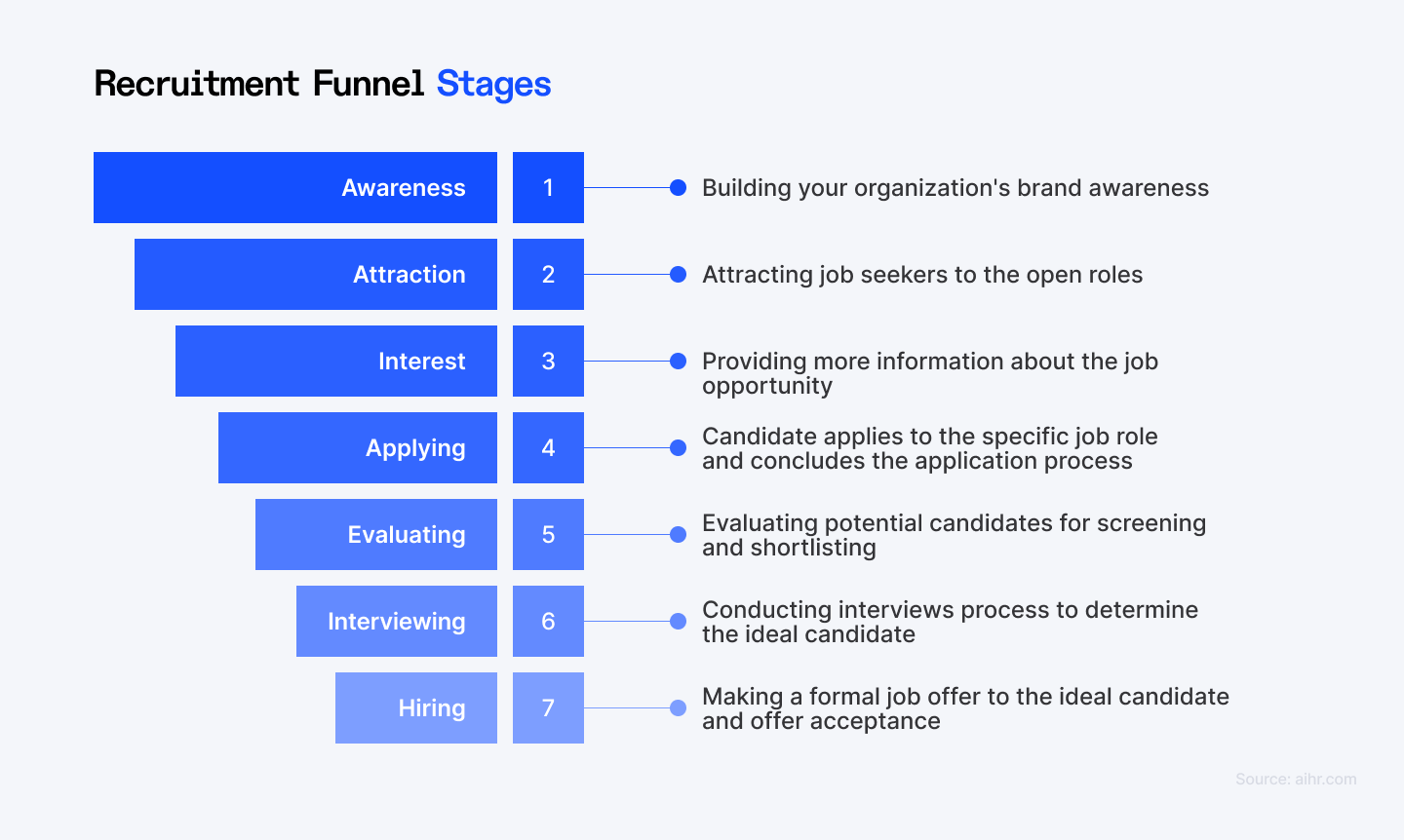
Finding top-tier software engineers needs a combination of active and passive recruitment techniques, as well as the use of current tools and professional headhunters. Here's a summary of the most effective strategies:
Active Recruitment Methods
Active recruitment entails personally connecting with potential applicants using sites such as LinkedIn, GitHub, and Stack Overflow. These platforms enable employers to evaluate technical skills using profiles, repositories, and forum participation. For example, a well-documented GitHub portfolio indicates a capable coder.
Another active option is to organize or attend hackathons, tech meetups, or conferences. These events enable recruiters to meet motivated engineers, study their problem-solving abilities in real time, and interact with possible prospects.
Passive Recruitment Techniques
Building a strong employer brand is essential for attracting people without direct approach. Companies may do this by posting interesting blog posts, exhibiting their culture on social media, and establishing thought leadership through developer advocacy. A captivating brand attracts passive prospects, who may not be actively looking for work but are receptive to the right offer.
Employee recommendations and alumni networks also play an important role. Encourage current employees to suggest their brilliant colleagues or reconnect with alumni to tap into a dependable talent pool.
The Role of Headhunters
Professional headhunters excel in finding senior or specialty talent, using their networks and industry expertise to uncover candidates that would otherwise be difficult to locate. While they sometimes demand a premium, the return on investment may be substantial for tasks requiring extensive knowledge or leadership abilities.
Automation & Tools
Modern sourcing technologies help to expedite the recruiting process. AI-powered services such as Hiretual and SeekOut analyze candidate data to determine the best matches, whilst LinkedIn Recruiter provides advanced filters for targeting specific skill sets.
Applicant tracking systems (ATS) are critical for managing the candidate pipeline. Look for technologies that include resume processing, collaboration tools, and analytics to help you make better decisions.
By combining these tactics, firms may create a strong recruiting pipeline to find the finest candidates.
Read More: Top 17 AI Recruiting Tools for Hiring Engineering Talent
Screening and Shortlisting Candidates
Once applicants are identified, thorough screening ensures that only the most eligible candidates advance. This level assesses both technical skill and cultural fit.
Reviewing Resumes and Portfolios
Strong applicants have relevant experience, demonstrable accomplishments, and a clear career path. Instead of broad comments, look for details like "optimized API response time by 30%".
Unexplained work gaps, inconsistencies in project specifics, or generic resumes with little individuality are all warning signs.
Technical Assessments
Coding examinations, whiteboard sessions, and take-home projects are the most effective ways to measure technical abilities. Coding platforms such as HackerRank and Codility provide controlled settings for evaluating problem solutions and code quality. Whiteboard interviews assess real-time thinking skills, whereas take-home projects allow applicants to exhibit their knowledge in a more natural situation.
Behavioural and Cultural Fit Interviews
Soft skills, including cooperation and flexibility, are essential in a collaborative atmosphere. Use open-ended questions, such as "Describe a time you resolved a team conflict," to assess communication and problem-solving skills.
Cultural fit evaluations should ensure that candidates' values are aligned with the corporate culture. To eliminate prejudice, focus on common goals rather than personal characteristics.
Reference Checks
Reference checks examine candidates' abilities, work ethic, and dependability. Ask specific questions like, "How did the candidate handle challenging projects?" or "Would you hire them again?" Ensure that references are genuine and relevant to their most recent positions.
A comprehensive screening procedure guarantees that only applicants who fulfill technical and cultural criteria proceed, saving time and money in the subsequent phases.
Explore More: How to Vet Software Developers
Crafting an Outstanding Offer and Closing the Deal
Recruiting top software engineering talent does not stop at the interview stage. A great offer and effective negotiation might mean the difference in recruiting the top prospects.
Creating a Competitive Offer
To create a compelling offer, you must first grasp the market compensation standards. Glassdoor, Payscale, and Levels are some examples of research platforms.Please compare salary and perks for similar positions in the sector and location. Competitive remuneration is frequently the standard; nevertheless, applicants increasingly value advantages beyond money, such as:
- Equity options: Providing shares or stock options links the candidate's performance to the company's development.
- Learning Opportunities: Budget for conferences, certificates, or online courses to demonstrate your commitment to professional growth.
- Flexible work: Hybrid or totally remote choices, as well as flexible hours, are popular in the technology business.
These added benefits not only entice top people, but also demonstrate a forward-thinking, employee-centric culture.
Communicate the Offer
The manner in which an offer is delivered can considerably affect a candidate's decision. Begin with a congratulations remark to create a good tone, followed by a summary of the offer. Emphasize the whole value package, which includes income, benefits, and career advancement prospects.
For example:
"We are happy to offer you the position of Senior Backend Engineer, which includes a basic salary of $120,000, performance bonuses, and a $30,000 equity plan. Furthermore, we provide a $2,000 yearly learning stipend, unlimited PTO, and flexible work arrangements."
Encourage open communication for queries and reassure customers of the company's dedication to their achievement.
Handling Counter-Offers
Counter-offers from a candidate's existing job are prevalent. To manage these, emphasize the non-monetary parts of your offer, like career advancement, team dynamics, or new projects they will work on. Explain why your organization is a superior long-term match.
If the prospect is apprehensive, think about if adjustments like a signing bonus or greater equity fit within your hiring budget. However, avoid bidding wars, which may create unrealistic precedents.
Onboarding and Retention Strategies
Hiring excellent personnel is only half the fight; keeping them needs an effective onboarding process and continued engagement.
Providing a Smooth Onboarding Experience
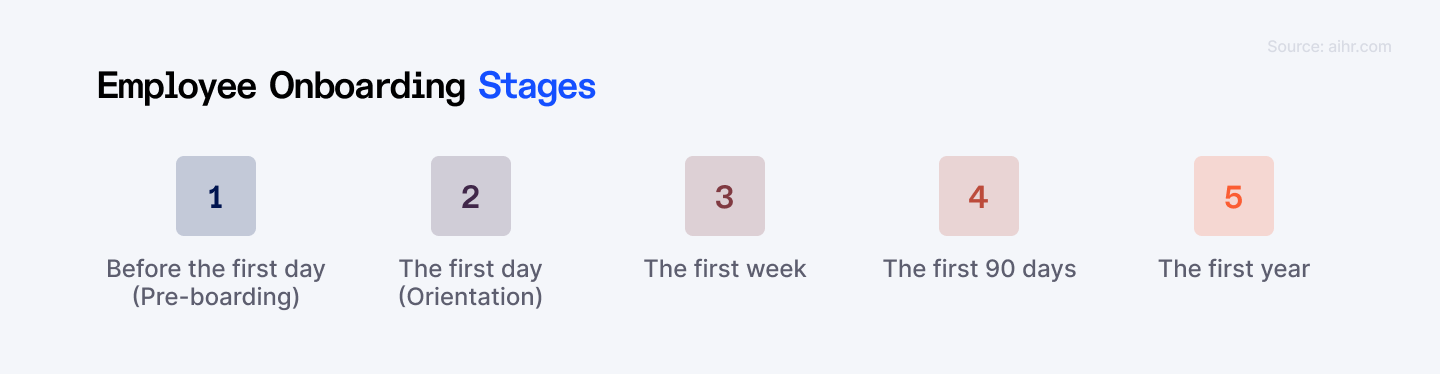
A strong onboarding experience builds the framework for sustained employee happiness. Begin with a well-structured onboarding strategy that includes:
- Welcome Kits: Include needed equipment, branded goods, and a customized welcome letter.
- Onboarding Tools: BambooHR and Gusto are examples of platforms that simplify procedures like paperwork completion, training scheduling, and progress monitoring.
Set clear expectations by stating your goals for the first 30, 60, and 90 days. Regular check-ins during the probationary term ensure that the new employee feels encouraged and confident. Assigning a mentor or buddy promotes a sense of belonging and speeds up acclimation to the team's culture.
Retention Best Practices
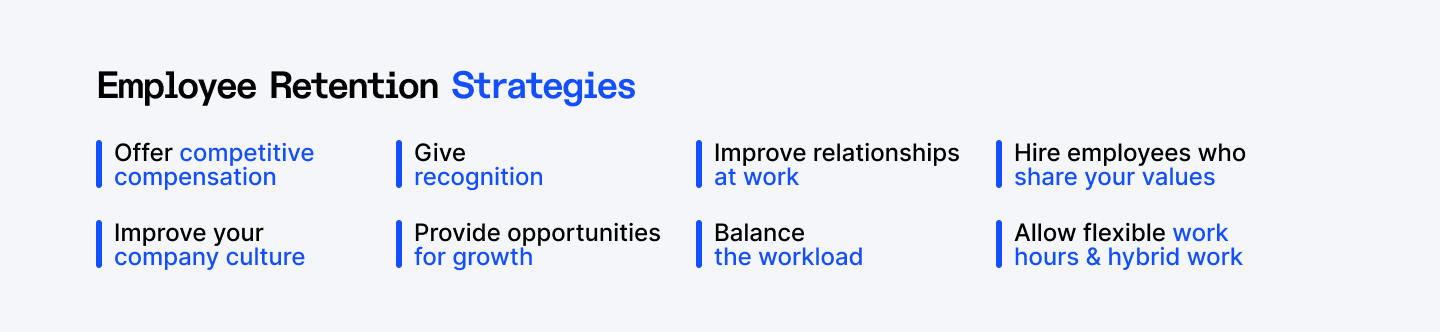
Retention depends on establishing an atmosphere in which workers feel appreciated and challenged. Here are the major strategies:
- Team culture: Encourage collaboration, trust, and appreciation among teammates. During team meetings, use awards or shout-outs to celebrate accomplishments and recognize individual efforts.
- Opportunities for growth: Continuous learning is essential for software developers. Allow access to training programs, technology conferences, and mentorship possibilities. A well-defined career advancement framework guarantees that workers envision a future with the firm.
- Work-Life Balance: Offering flexible hours, remote work choices, and mental health tools helps employees strike a good balance between their home and professional lives.
- Measuring Retention Success: Conduct frequent employee satisfaction surveys to assess engagement and highlight areas for improvement. Exit interviews might also indicate patterns or underlying concerns that contribute to attrition.
Companies that combine a careful onboarding process with long-term engagement tactics may not only retain top personnel, but also establish a workforce that supports continuous innovation and success.
Insights and Trends in Software Engineer Recruitment
The recruiting market for software engineers is continuously changing, owing to technology improvements and altering workplace goals. Staying ahead of these trends is critical to hiring great personnel.
Future Trends in Recruitment
AI and Machine Learning for Candidate Matching
AI is rapidly being used by recruitment platforms to examine candidate profiles, job descriptions, and hiring patterns, making the process of matching top talent with jobs more efficient. Tools such as SeekOut and HireEZ may anticipate applicant success based on skill alignment and career paths, greatly lowering time-to-hire.
Increasing Emphasis on Diversity and Inclusion
Companies understand the importance of diverse teams in driving innovation and decision-making. This has resulted in a shift in recruiting techniques, such as utilizing blind resume reviews, including inclusive wording in job descriptions, and expanding sourcing channels to underrepresented groups.
The Transition to Skills-First Hiring Over Degree-First Hiring
The IT business is increasingly valuing skills and experience above traditional college qualifications. Many businesses increasingly prioritize coding bootcamps, self-taught knowledge, and certifications. This democratization of recruiting enables firms to tap into previously untapped talent pools while focusing on a candidate's real-world skills.
Looking Forward
These trends not only improve efficiency, but they also promote equality and inclusion, allowing businesses to establish resilient teams capable of meeting the needs of a changing industry.
Conclusion
Recruiting top software engineers takes a deliberate strategy, which includes clearly defining positions and utilizing effective sourcing tactics, as well as assuring seamless onboarding and retention policies. This approach has emphasized the value of market understanding, new tools, and careful participation at all stages of the recruiting process.
If you're seeking to attract specialized expertise or improve your recruiting strategy, talk to experienced headhunters or use innovative sourcing tools. Please share your views or experiences in the comments section to assist others in optimizing their hiring journey. Together, we can confidently negotiate the ever-changing technology recruitment landscape.
…
Looking for senior tech talent fast? See how Index.dev can help you:
🎯Find developers, designers, AI/ML pros, PMs, and more
🎯Hire full-time contractors fully vetted for tech and soft skills
🎯Save 60% savings in hiring and development expenses with global hires
🎯Blend AI + human-led matching and assistance along with talent integration


