
Legacy code modernization is hard, risky, and often blocked by poor documentation, tight timelines, and business-critical systems that cannot fail. To make this guide useful, we did not rely on vendor claims or feature pages.
We tested each AI tool on real legacy modernization scenarios, including system understanding, refactoring, migration planning, and cloud readiness. Some tools helped us understand legacy systems faster, while others automated deep modernization work.
This list highlights what actually worked in practice, where each tool fits in the modernization journey, and which problems each one solves best.
Work on complex legacy systems using modern AI tools. Join Index.dev and access long-term, high-impact engineering projects.
5 AI Tools for Legacy Code Modernization and Migration
1. Kodesage
Best for: Making complex legacy systems understandable
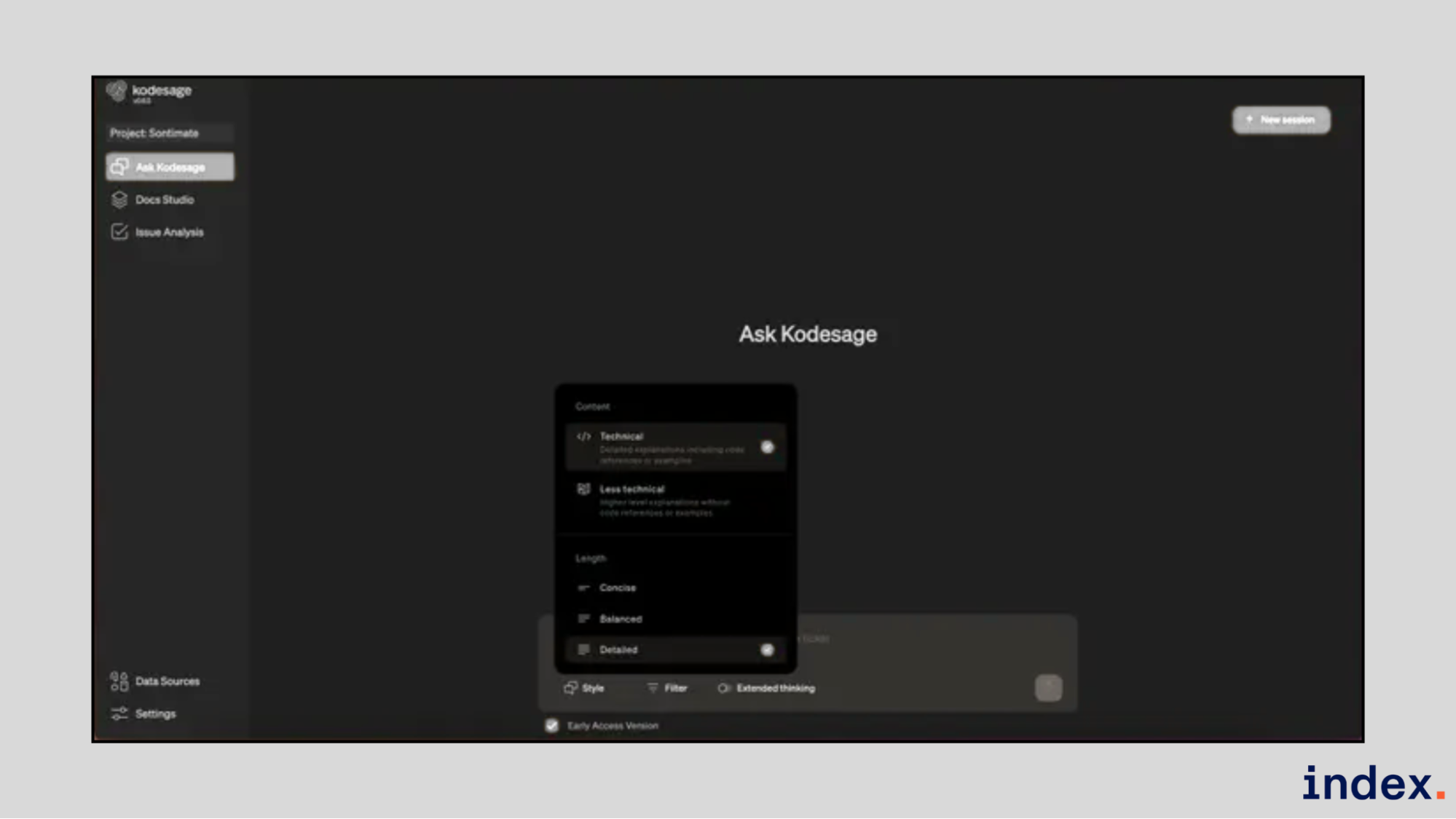
Kodesage is an AI-powered code understanding platform built for enterprise legacy software systems. It connects to code repositories, issue trackers, wikis, and documentation to create a single, always updated knowledge base. Kodesage helps teams ask questions about legacy systems and get clear, context-aware answers.
It supports workflows like onboarding, documentation, ticket analysis, troubleshooting, and estimation. The platform works well in regulated environments and supports on-premises and self-hosted deployments.
Core features:
- Builds a system-wide knowledge graph from code, docs, and tickets
- Explains legacy system behavior using natural language chat
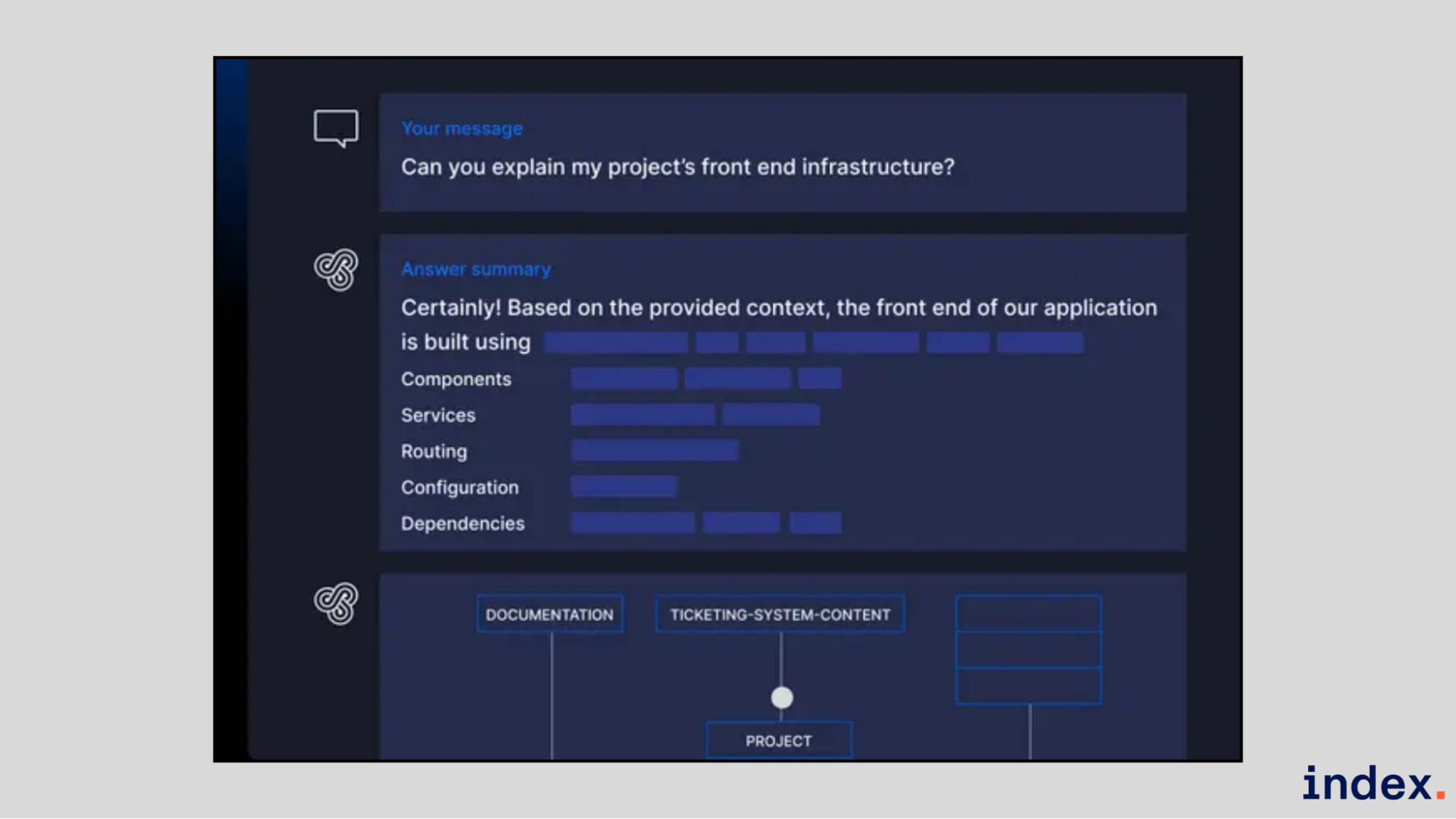
- Generates dependency maps, flow diagrams, and mermaid graphs
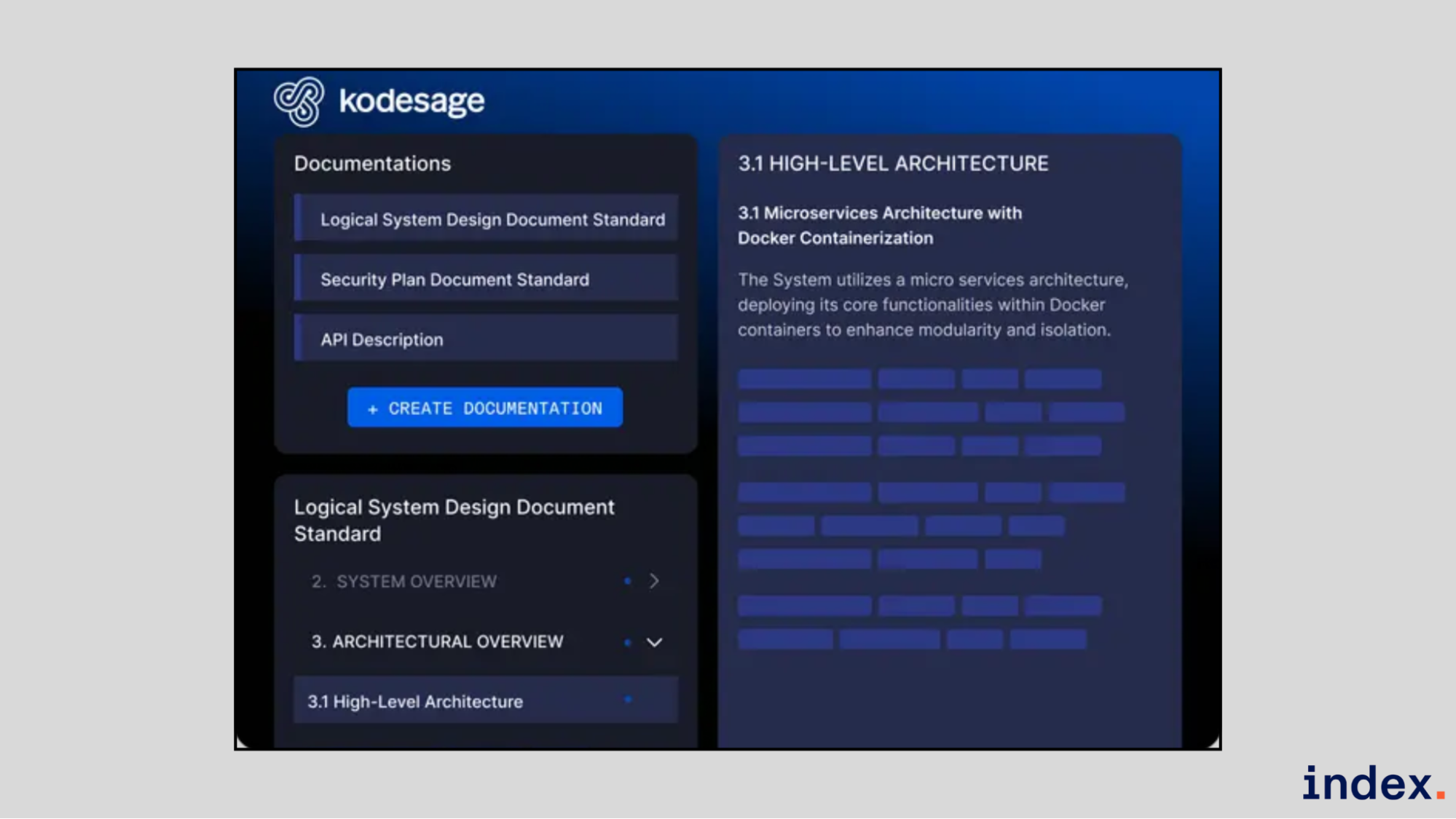
- Creates structured, audit-ready documentation automatically
- Keeps documentation updated as the codebase changes
- Integrates with Jira and Redmine to analyze bugs and change requests
- Supports on-premises and air-gapped enterprise environments
Why we selected: It shortened onboarding time, reduced repeated questions, and made legacy systems easier to reason about before starting any refactor or migration work.
Pricing: Custom enterprise pricing. Demo required.
2. IBM Watsonx Code Assistant
Best for: Enterprise legacy application modernization at scale
IBM Watsonx Code Assistant is an enterprise-grade AI tool built to modernize complex legacy applications. It is used to understand, refactor, and transform legacy Java, COBOL, RPG, and mainframe-based systems. The tool helps teams upgrade legacy frameworks, preserve business logic, and move toward modern architectures such as cloud and microservices. It is designed for large organizations with strict security and compliance needs.
Core features:
- Explains legacy Java, COBOL, and RPG code to speed up onboarding
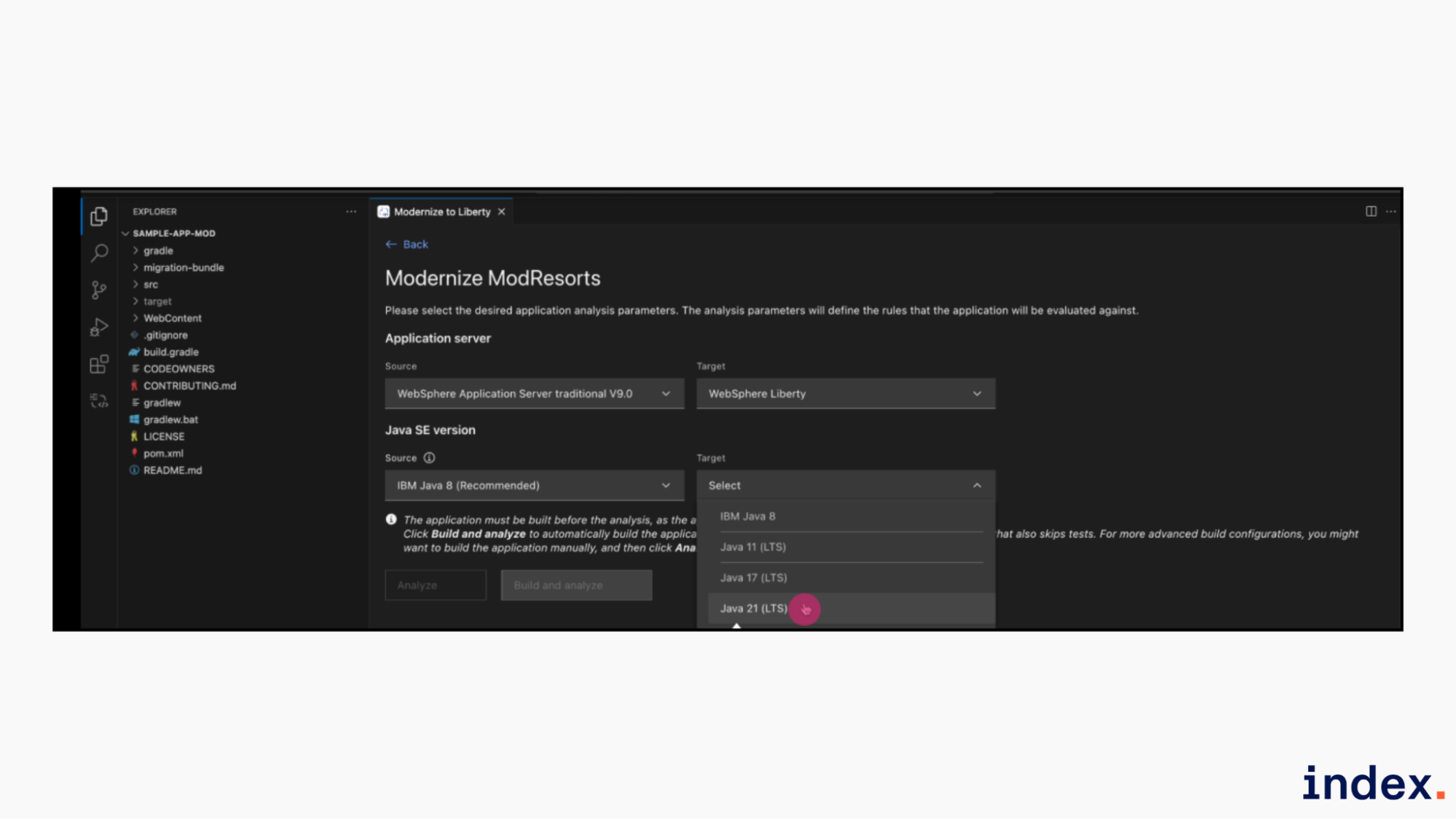
- Refactors and upgrades legacy Java applications safely
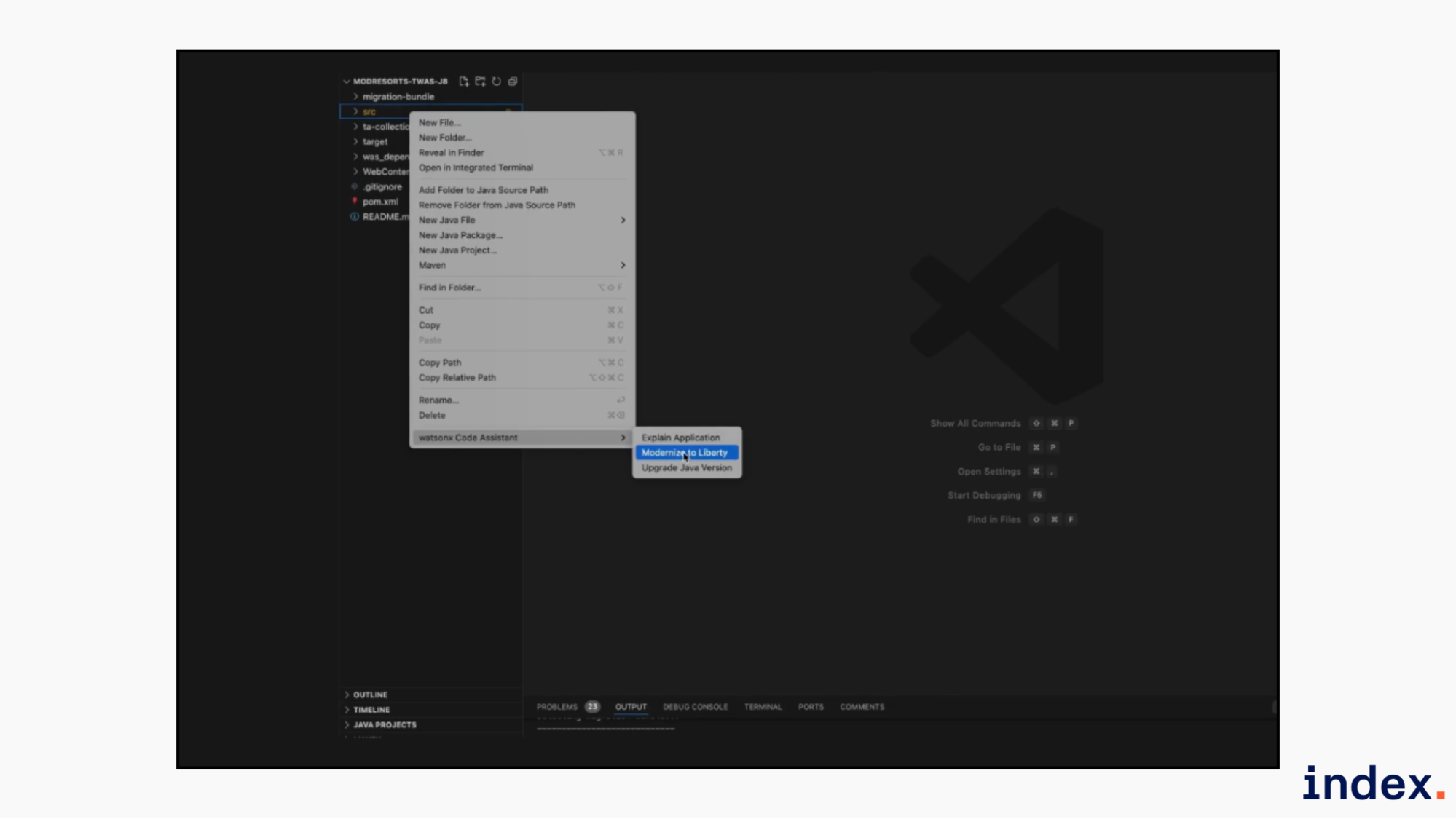
- Converts COBOL business logic into modern Java incrementally
- Supports mainframe and IBM i modernization use cases
- Generates tests to validate behavior during modernization
- Identifies code gaps for Java version and framework upgrades
- Integrates with IDEs and DevOps pipelines
- Supports on-premises and hybrid cloud deployment
Why we selected:
It handled deep enterprise legacy systems well and preserved critical business logic during modernization.
Pricing: Starts at about USD 2 per 20 task prompts. Standard plans start around USD 3,000 per month. On-premises and hybrid deployments use custom pricing. Free trial available.
3. vFunction
Best for: Monolith to microservices modernization at the architecture level
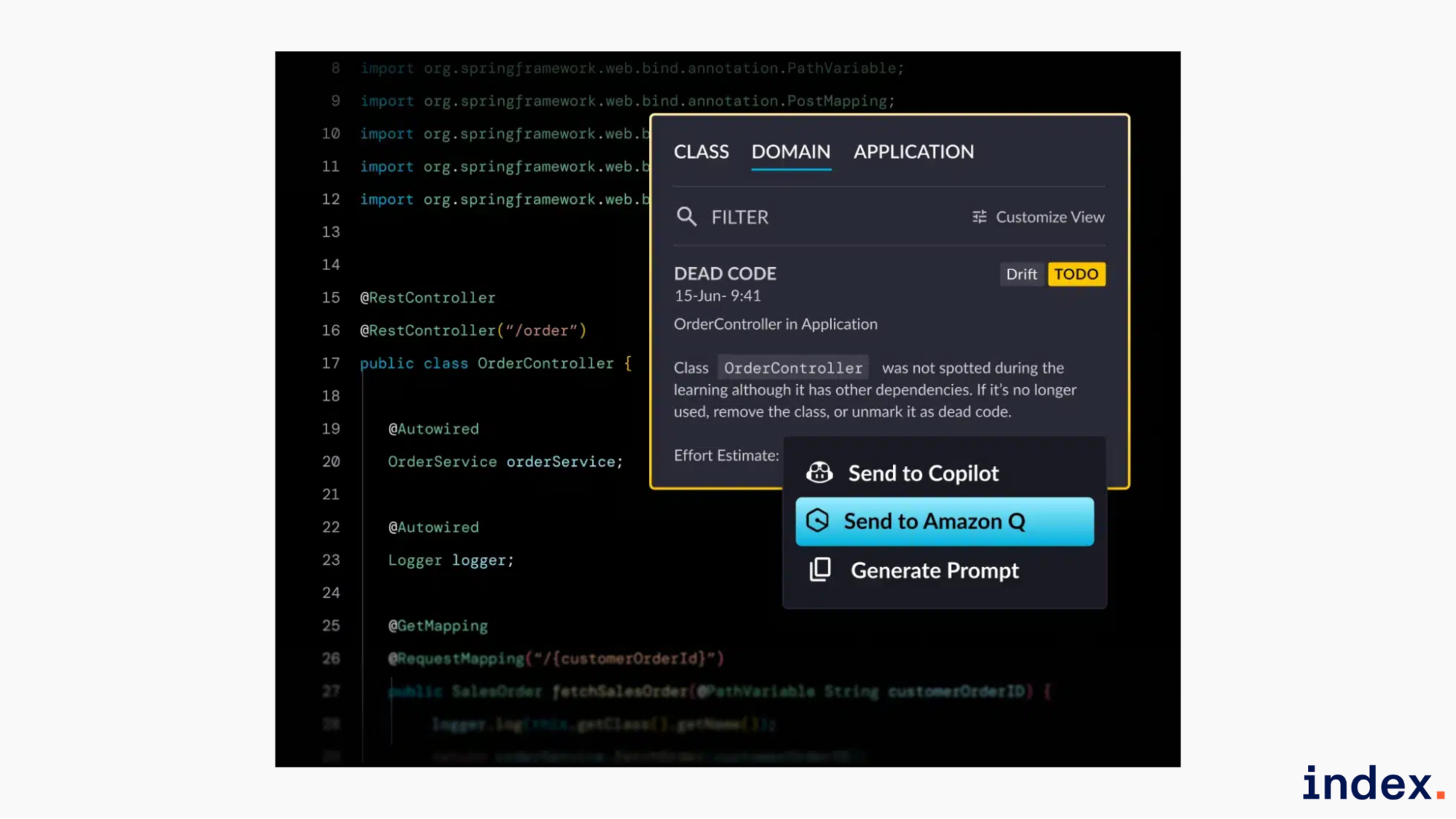
vFunction is an AI-driven architectural modernization platform focused on transforming complex Java and .NET applications. Instead of starting with code changes, it analyzes runtime behavior and architecture to identify how monoliths should be broken down. Teams use vFunction to modernize applications for cloud native environments by modularizing systems, extracting services, and guiding AI code assistants with architectural context. It works best when modernization requires structural change rather than just refactoring.
Core features:
- Analyzes Java and .NET applications using static and runtime data
- Visualizes true system architecture, dependencies, and domain boundaries
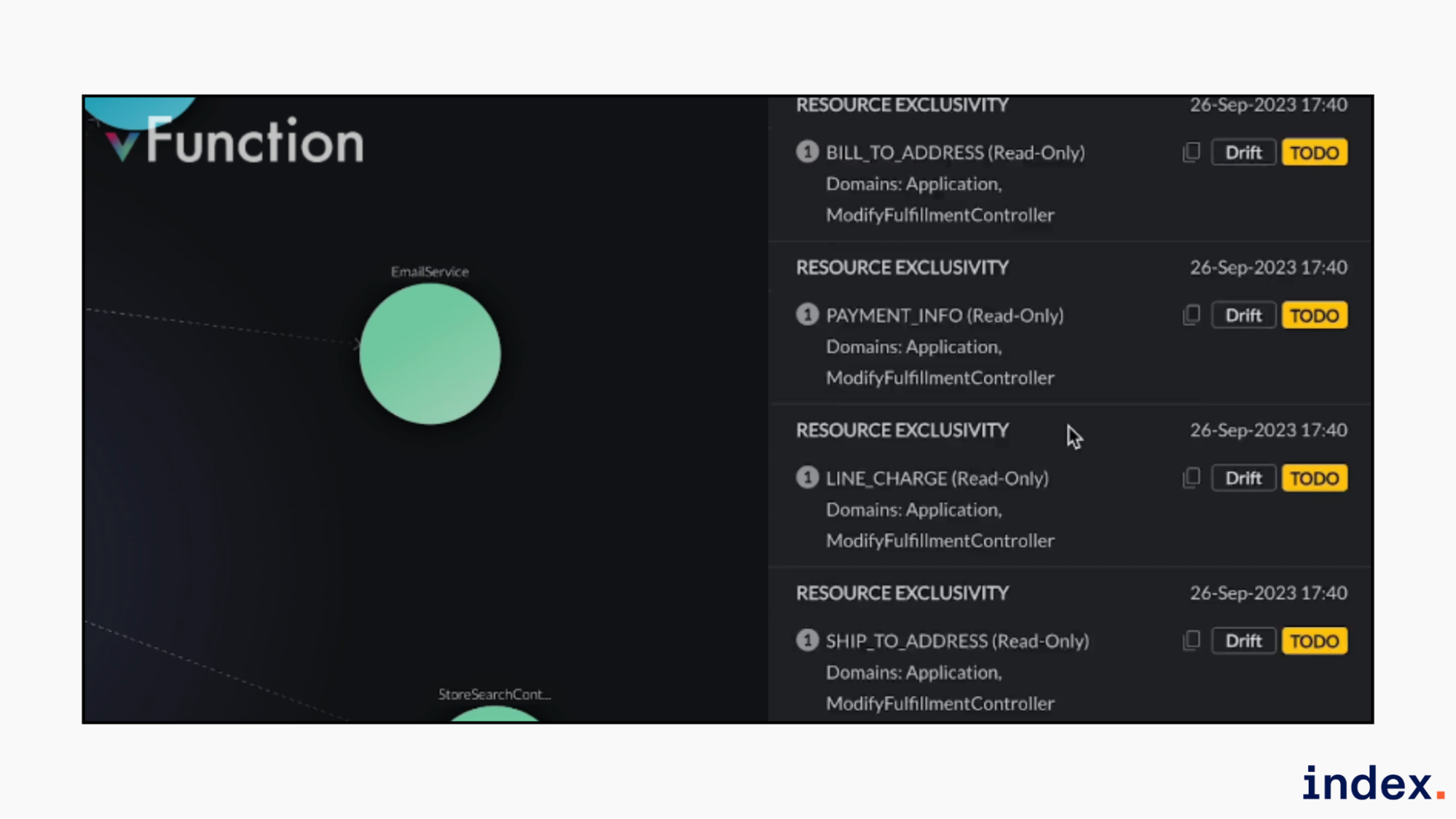
- Identifies architectural technical debt and anti-patterns
- Breaks monoliths into modular, cloud-ready services
- Generates APIs, service contracts, and documentation automatically
- Guides AI code assistants with architecture-aware prompts
- Supports framework upgrades and cloud migrations
- Runs fully inside your environment for data security
Why we selected:
It solved the hardest part of modernization first by fixing the architecture, which made subsequent code migrations faster, safer, and more predictable.
Pricing: vFunction uses an enterprise pricing model based on application size and number of applications. Pricing is not user-based and supports unlimited users. Costs depend on architectural complexity and the scope of modernization.
4. GAPVelocity AI
Best for: High-fidelity legacy code migration with logic preservation
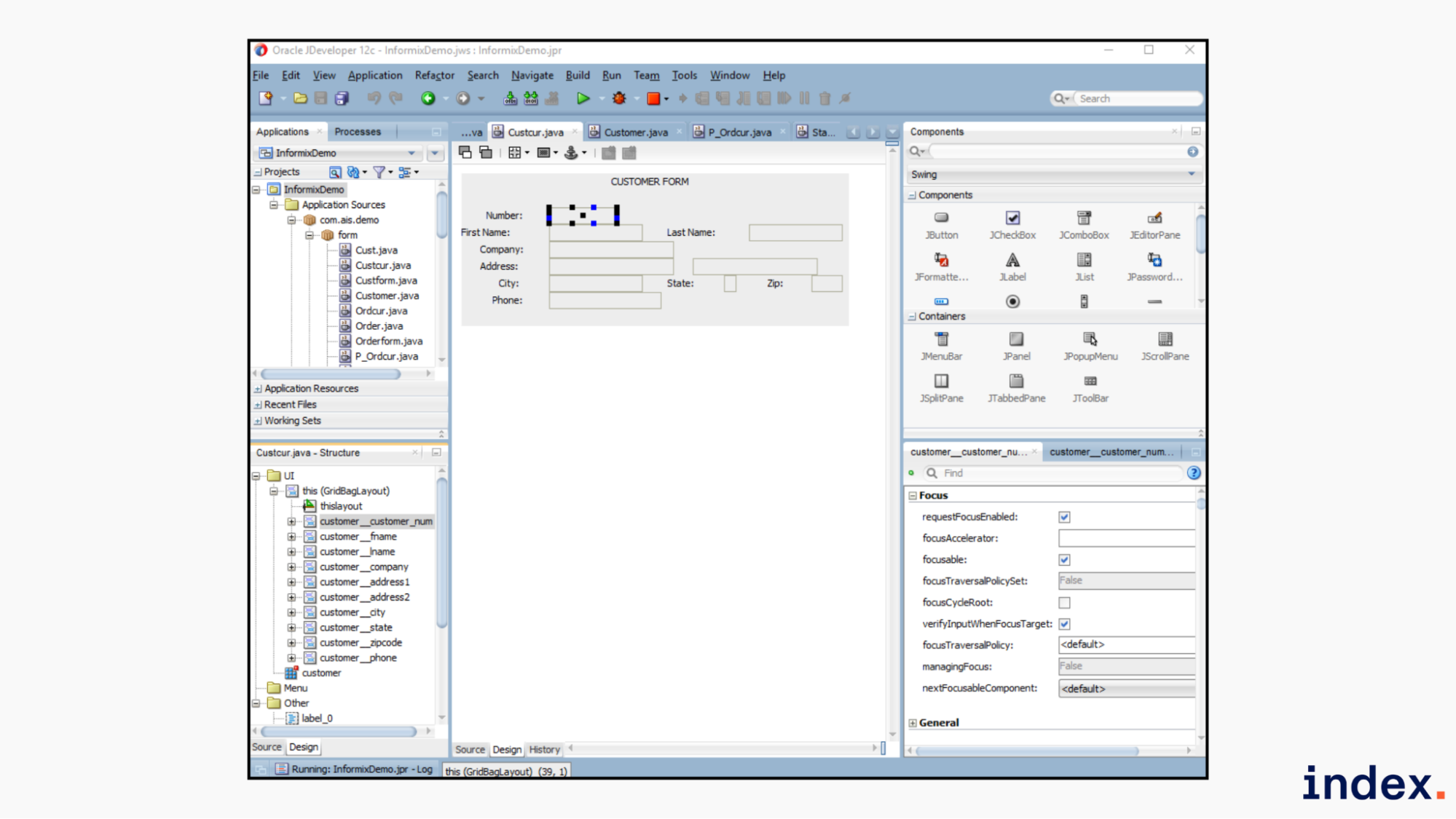
GAPVelocity AI is a hybrid AI platform purpose-built for large-scale legacy application modernization. It combines deterministic, rules-based AI with generative AI to migrate legacy systems safely and predictably. Teams use it to modernize technologies such as VB6, PowerBuilder, WinForms, MS Access, and legacy web apps into .NET, C#, Blazor, and cloud-native architectures. It is designed for enterprises that need accuracy, traceability, and production-ready output rather than experimental rewrites.
Core features:
- Uses AST-based deterministic AI to preserve business logic exactly
- Automates migration from legacy desktop and web apps to modern platforms
- Supports VB6, PowerBuilder, Clarion, MS Access, ASP, and more
- Converts applications into .NET, C#, Blazor, and cloud-ready architectures
- Generates production=ready code that compiles and runs with minimal fixes
- Produces full audit trails for every transformation
- Uses generative AI for documentation, testing, and optimization support
- Designed for secure enterprise and regulated environments
Why we selected: It delivered the most reliable results for deep legacy migrations where logic accuracy, traceability, and production readiness are non-negotiable.
Pricing: Enterprise pricing based on application size and complexity.
5. OpenLegacy
Best for: Low-risk legacy to cloud modernization without rewriting systems
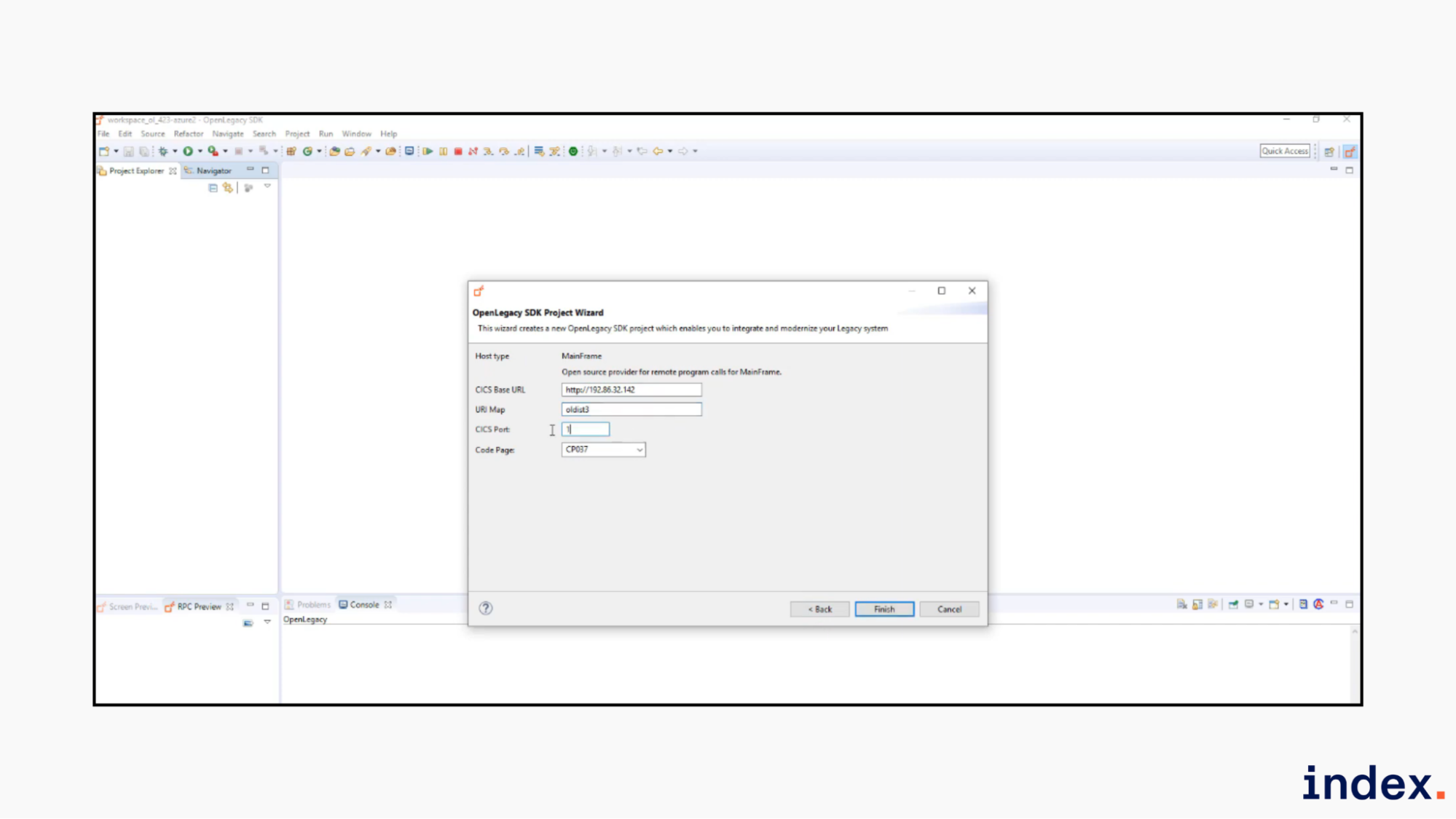
OpenLegacy is an AI-driven legacy modernization platform built to modernize mainframes, IBM i, and enterprise legacy systems without rewriting or disrupting core applications. It uses a phased and non-intrusive approach to analyze legacy systems, understand dependencies, and safely expose functionality as modern APIs and microservices. Teams use OpenLegacy when they want to migrate to the cloud at their own pace while keeping legacy systems running.
Core features:
- Connects securely to mainframes and IBM i systems
- Analyzes legacy dependencies and identifies safe decoupling points
- Generates modernization-ready APIs automatically
- Enables phased modernization with full coexistence of old and new systems
- Deploys APIs and services to cloud, hybrid, or on-premises environments
- Eliminates middleware and avoids changes to core legacy systems
- Integrates with DevOps and CI CD pipelines
- Keeps all generated assets transparent and reusable
Why we selected: It reduced modernization risk by enabling a gradual migration while legacy systems remained fully operational.
Pricing: Enterprise pricing based on use case and system scope. Demo required.
Up next: Explore AI adoption trends shaping 2026.
Comparison of the Top AI Tools for Legacy Code Modernization
| Tool | Best for | Primary strength | Ideal use case |
| Kodesage | Making complex legacy systems understandable | System knowledge extraction and documentation | When teams need to understand legacy systems before refactoring or migration |
| IBM Watsonx Code Assistant | Enterprise legacy modernization at scale | Deep code refactoring and framework upgrades | Large Java, COBOL, RPG, and mainframe modernization projects |
| vFunction | Monolith to microservices modernization | Architecture level analysis and modularization | When architecture must change before cloud migration |
| GAPVelocity AI | High-fidelity legacy code migration | Deterministic code transformation with logic preservation | VB6, PowerBuilder, and desktop app migration to .NET |
| OpenLegacy | Low-risk legacy to cloud modernization | API based, non-intrusive modernization | Mainframe and IBM i systems that must stay running |
How to choose the right tool
- Choose Kodesage if understanding the system is the biggest blocker
- Choose IBM watsonx Code Assistant for large-scale enterprise code modernization
- Choose vFunction when an architecture change is required before migration
- Choose GAPVelocity AI for accurate, production-ready legacy code conversion
- Choose OpenLegacy for phased cloud migration without touching core systems
Each tool solves a different stage of legacy modernization, not the same problem.
Check out the latest open-source AI updates.
Final Words
Legacy modernization is not a one-tool problem. It is a phased process that starts with understanding, moves through architecture and code changes, and culminates in a safe migration.
The tools in this list solve different parts of that journey. Some reduce risk, some preserve logic, and others accelerate cloud readiness. The best results come from using the right tool at the right stage, not forcing one tool to do everything.
Test carefully, start small, and modernize in steps. That approach leads to predictable timelines, lower risk, and long-term system stability.
➡︎ Modernizing legacy systems? Index.dev connects you with experienced AI engineers skilled in Java, .NET, COBOL migration, and cloud modernization. Find vetted talent who can navigate your legacy codebase and drive transformation.
➡︎ Master legacy modernization and unlock high-value remote roles. Index.dev features companies hiring developers with Java, mainframe, and cloud migration expertise. Work on critical modernization projects, command premium rates, and join teams tackling real enterprise challenges. Explore opportunities now.
➡︎ If this sparked your interest in AI-driven modernization, you might want to explore how autonomous coding agents perform in real development workflows, what productivity gains teams are seeing when AI tools enter daily coding, and which AI tools truly improve developer focus and delivery. We also dive into how organizations measure the real ROI of AI coding assistants, share up-to-date statistics on AI adoption in application development, and break down which AI code assistants work best for SaaS teams across debugging, CI/CD, and code review—perfect if you’re thinking beyond modernization and into long-term engineering efficiency.


