“Every job will be affected. Some jobs will be lost, some jobs will be created, but every job will be affected.”
— Jensen Huang, CEO of NVIDIA
Artificial intelligence is transforming global employment markets at a rate unmatched since the industrial and digital revolutions. By 2026, AI will be integrated into hiring, operations, customer service, software development, finance, and creative work, rather than just experimental use cases. This fast acceptance has fueled debate over the AI employment paradox: although AI-driven automation eliminates certain processes and positions, it also creates new job categories, skill demand, and productivity advantages.
Workers are increasingly concerned about job security, role relevance, and salary pressure as AI systems scale. On the other hand, firms report talent shortages in AI-related skills, data literacy, and human-AI collaboration, indicating opportunity rather than collapse. This conflict will shape the future of employment in 2026.
According to the ManpowerGroup 2026 Global Talent Barometer, AI usage is increasing while worker confidence falls, emphasizing the critical need for reskilling, workforce transition planning, and leadership preparation.
Hire AI-ready engineers and specialists who adapt fast and scale with your business.
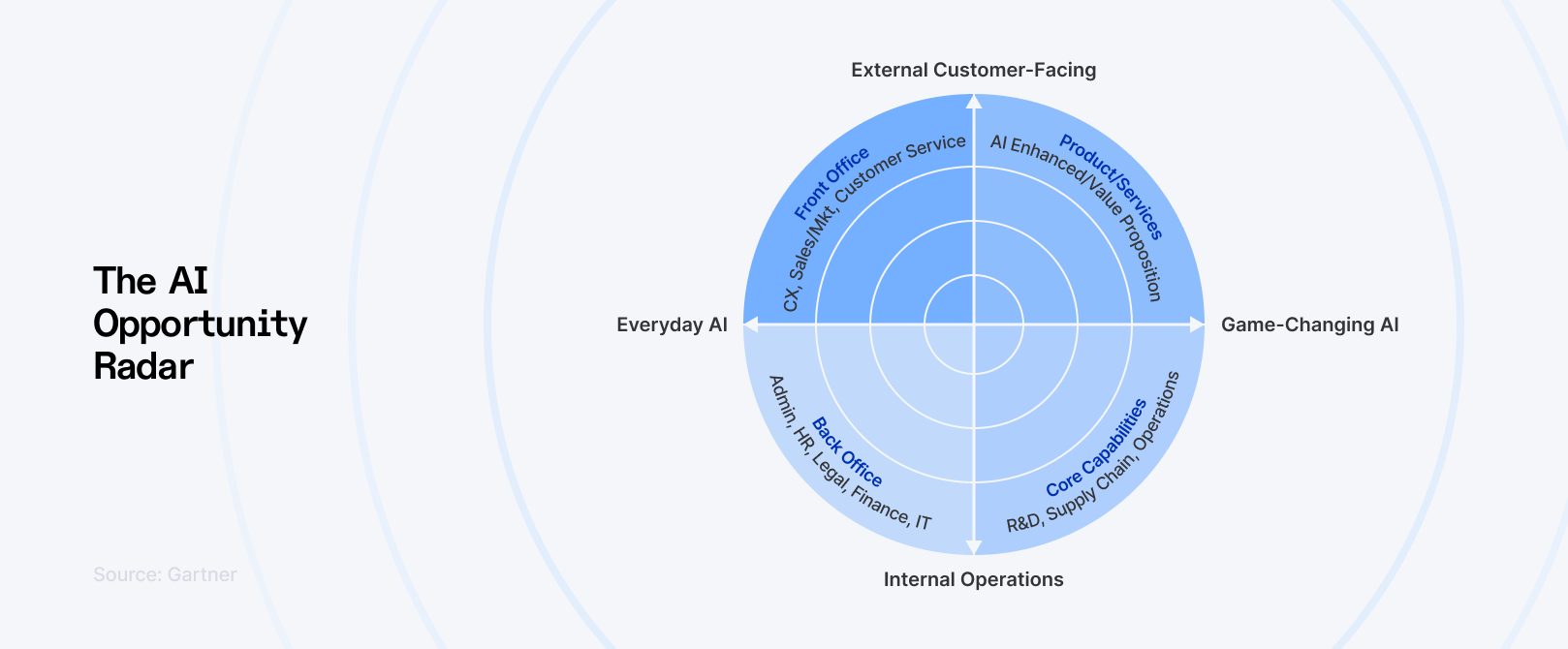
Source: AI readiness | Gartner
AI and The Global Workforce: Key Statistics
In 2026, AI use will progress decisively from trial to scale, altering how work is done across industries and regions. According to global workforce data, AI is no longer restricted to technical professions; it is now integrated into marketing, finance, customer service, HR, logistics, and software development, resulting in a broad and structural influence on employment. These trends will shape the AI and labor economy in 2026, when task automation and human enhancement coexist.
Recent workforce surveys show a significant increase in AI exposure across jobs. Organizations report utilizing AI to automate repetitive operations, improve decision-making, and speed up output, resulting in quantifiable productivity increases. However, the acceleration has increased worker worry. The ManpowerGroup 2026 Global Talent Barometer finds a decline in job confidence, with an increasing proportion of employees concerned about role redundancy and long-term employability as AI systems develop. This anxiety is most prevalent in lower-wage and clerical jobs, where task-based automation is most obvious.
At the same time, the need for AI-related skills is increasing. According to PwC's Global AI Jobs Barometer, occupations with strong AI exposure have faster skill turnover, higher productivity, and significant salary premiums compared to less AI-integrated jobs. Rather than replacing work totally, AI is altering the way it is done, moving the emphasis to analytical thinking, domain expertise, AI oversight, and cross-functional cooperation. These findings call into question simple narratives about job loss, highlighting a significant skill realignment that is now unfolding.
Polling data emphasizes the paradox: although employees fear displacement, companies struggle to find people with the necessary AI and data capabilities. This mismatch emphasizes the importance of workforce transition initiatives, reskilling programs, and policy interventions. As automation numbers change in 2026, the global labor story will be one of fast transition rather than job loss.
⭢ See where you really stand on the AI literacy curve.
AI Skills Readiness Index: Global and National Perspectives
As AI adoption grows, governments and businesses increasingly rely on AI Skills and Readiness Indices to determine how well nations are equipped for large-scale AI implementation. An AI skills readiness index often assesses a country's potential to embrace and profit from AI on a variety of aspects, including workforce skill availability, education and training systems, digital infrastructure, data access, regulatory frameworks, and public-private investment. These elements combine to determine how well AI can be used without growing productivity or employment inequalities.
Advanced economies remain at the top of the global AI skills readiness index rankings for 2026. The United States, Singapore, South Korea, France, and the United Kingdom frequently rank high due to their robust AI research ecosystems, vast technical talent pools, supportive legislative frameworks, and sophisticated digital infrastructure. North America benefits from scale and private-sector innovation, but Europe prioritizes governance, ethical AI, and worker safeguards. East Asian leaders mix long-term national AI policies with aggressive upskilling programs to accelerate worker adaptability.
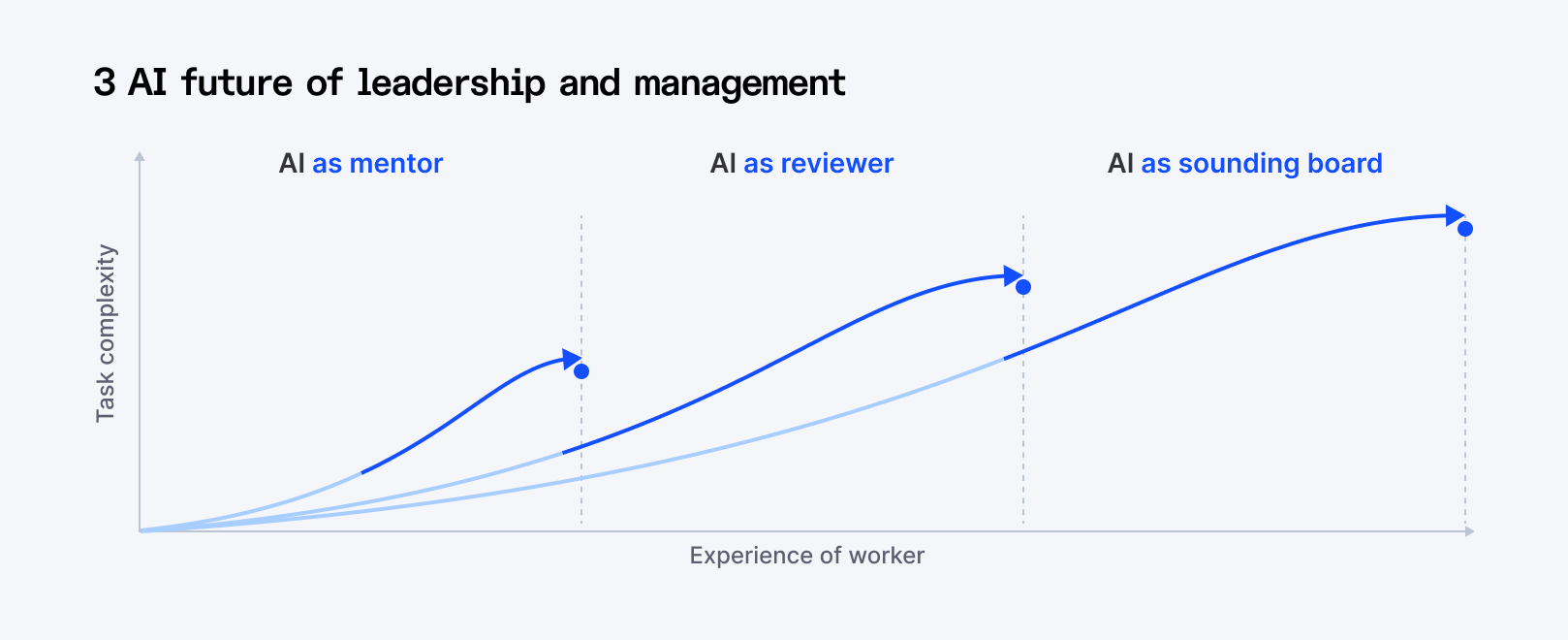
Source: The Future of Leadership with AI | Gartner
Regional disparities are becoming more obvious. While Europe shows balanced growth in terms of skills and legislation, portions of the MENA region are making headway through specific national AI plans and infrastructure investment, but talent supply remains a challenge. These discrepancies underscore why a country's AI preparedness cannot be judged just by technology adoption; it must also include human capital and institutional capabilities.
A prominent trend in 2026 is developing economies' growing attempt to codify AI programs. Many have created national roadmaps and pilot initiatives, but there are still shortages in advanced skills, education alignment, and large-scale access to AI training. When AI readiness data is compared to education-focused benchmarks such as the QS World Future Skills Index, a common issue emerges: education systems frequently lag behind labor market demands, reducing worker preparedness for AI.
Countries that connect policy, education, and business will eventually turn AI preparation into a long-term economic advantage.
⭢ Find out which countries are ready for AI—and which aren’t.
AI Leadership Readiness: Organizational vs National
As AI adoption grows, leadership preparedness has emerged as a key aspect in distinguishing successful transformation from stopped experimentation. According to research, only a small number of firms qualify as really AI-ready "Pacesetters", those who go beyond pilots to influence the company. According to World Economic Forum research, these executives outperform peers by integrating technology adoption with strategy, talent, and governance, rather than considering AI as a stand-alone IT endeavor.
“Companies must invest in real people and redesign job roles to fully realize productivity gains from artificial intelligence.”
— Julie Teigland, EY’s Global Vice Chair
At the organizational level, AI leadership preparedness is determined by a small set of key actions. Leaders express a clear AI vision based on business results, invest in data fluency across management levels, and create governance frameworks that balance innovation with trust and risk management. Equally essential, they prioritize cultural transformation, training teams to collaborate with AI systems and encouraging continual learning. This leadership style facilitates simpler workforce transitions by reducing resistance and driving acceptance during job redesign and skill development.
National leadership is equally vital. Countries with linked AI policies, incentives, and talent development plans see faster and more inclusive AI adoption. National investment in education, research, and workforce development lays the groundwork for enterprises to prosper. Global benchmarks such as the Stanford AI Vibrancy Index demonstrate how coordinated leadership produces results; current rankings position India among the top global AI ecosystems, indicating significant momentum in research output, talent growth, and governmental support.
Finally, there is a strong link between national AI leadership preparedness and organizational AI readiness. Where leadership vision is strong at both levels, AI catalyzes productivity, resilience, and long-term workforce change.
“If leaders don’t understand AI, they can’t lead… real business value will only emerge if senior executives themselves understand and interact with AI tools.”
— Julie Sweet, CEO of Accenture
Workforce Transition: Upskilling, Reskilling and Pathways Forward
As AI use increases, workforce transition has become one of the most serious issues for companies and policymakers. AI is altering job profiles faster than traditional education and training cycles can accommodate. Tasks are being automated, supplemented, or redefined in months, not years, leaving many employees unsure of their long-term career relevance. This rate of change has increased worker concern, emphasizing the importance of comprehensive, continuous training approaches rather than one-time upskilling initiatives.
Effective workforce transition plans prioritize scalability, accessibility, and alignment with actual employment demand. Leading firms are making significant investments in AI upskilling and reskilling programs for both technical and non-technical jobs. These programs prioritize data literacy, AI-assisted processes, critical thinking, and domain knowledge, skills that complement rather than compete with automation. Public-private partnerships also play an important role, allowing governments, educational institutions, and businesses to fund and offer job-relevant training at the national and regional levels.
Accessible learning platforms are becoming increasingly important in these endeavors. Global programs such as IBM SkillsBuild offer free AI and digital skills education to students, job seekers, and working professionals, lowering barriers to entry and promoting inclusive workforce change. These examples illustrate how large-scale retraining may be performed outside of typical company constraints.
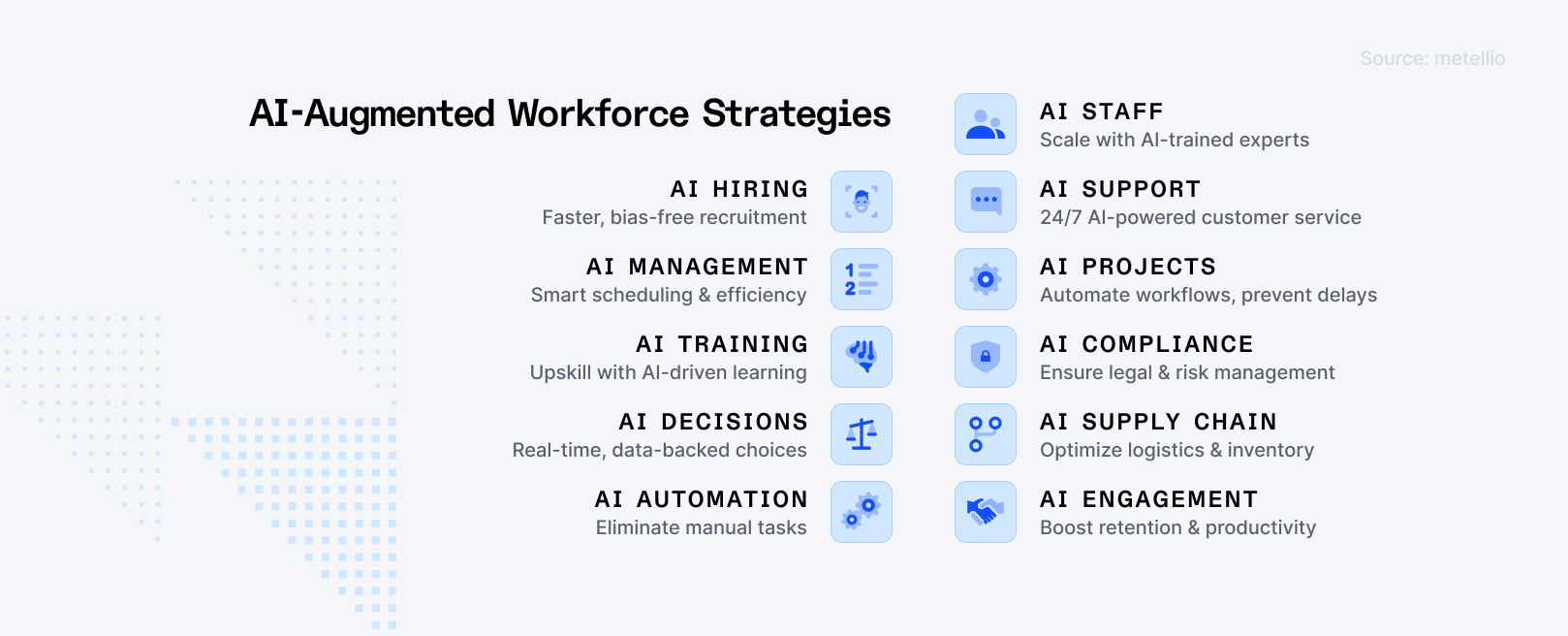
Enterprise-led case studies demonstrate what is achievable. Citibank has officially announced its internal AI adoption plan, which includes employee volunteers, AI accelerators, and structured learning paths to prepare its workers for AI-enabled tasks. Similar projects across sectors demonstrate that proactive job retraining is not only possible but also necessary.
In 2026, a successful workforce shift with AI will need early investment, leadership commitment, and cross-ecosystem engagement.
Challenges and Equity Considerations
Despite fast advancements, AI readiness challenges persist across countries, sectors, and income levels. While rich economies and major corporations drive AI adoption, many nations and labor divisions fall behind owing to skill shortages, insufficient infrastructure, and restricted access to training. This unequal preparation has the potential to expand productivity differences across nations and worsen labor inequality.
A major challenge is worker perception. According to surveys, employees are concerned that AI would replace rather than complement occupations, particularly in routine, clerical, and low-wage positions. This anxiety is frequently most prevalent where access to reskilling opportunities is limited, strengthening opposition to AI adoption and hindering workforce change. Without purposeful intervention, the digital gap in AI risks becoming a structural impediment to inclusive progress.
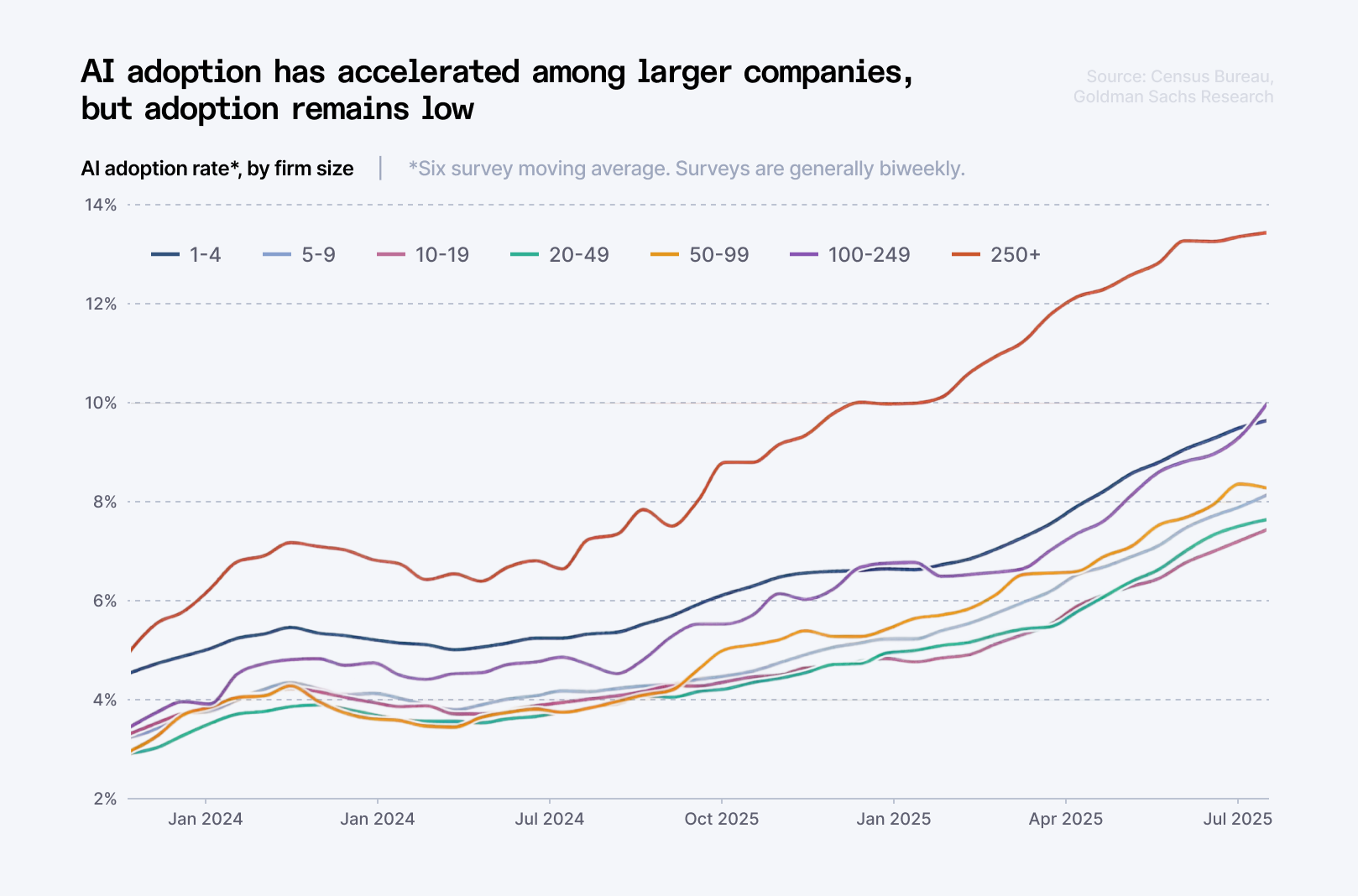
Source: AI adoption rate by firm size| Goldman Sachs
Equity issues are especially apparent in underserved areas, where core digital infrastructure, inexpensive access, and scalable training programs are still being developed. Addressing AI equity necessitates ongoing investment not just in technology, but also in human capital, ensuring that AI talent development extends beyond elite institutions and metropolitan areas.
Governments and education systems have important roles in policymaking. Future-oriented curriculum, lifelong learning frameworks, and employer-aligned training routes are critical for reducing preparation gaps. The OECD underlines this requirement in its Skills-First Readiness and Adoption Index, which focuses on integrating education, labor policy, and workforce development to promote fair AI adoption.
Without concerted action, AI's advantages may concentrate at the top, jeopardizing long-term economic and societal stability.
“AI is becoming a ‘tsunami’ hitting the labour market, young people searching for jobs will find it harder to get a good placement.”
⭢ Up next: Learn whether AI is replacing developers or creating more opportunities.
Conclusion: What Next for 2026 and Beyond?
In 2026, the question is whether leadership is prepared to responsibly oversee that transformation, rather than whether AI will reshape employment. Across regions and industries, firms that link AI deployment with workforce strategy, governance, and long-term skill planning are realizing significant productivity advantages. Technology adoption alone does not provide an advantage; coordinated leadership does.
The next stage of AI adoption will reward leaders who view skills as infrastructure, workforce change as a strategic priority, and trust as a competitive advantage. Companies and countries that link education systems, policy frameworks, and business demands will turn upheaval into long-term growth. The future of work will be determined not by algorithms, but by the decisions leaders make today about people, preparedness, and purpose.
➡︎ Build teams that adapt fast. Index.dev connects you with pre-vetted remote engineers who've mastered AI tools and future-ready skills.
➡︎ Want to go deeper into where AI is really headed? Explore more Index.dev insights on AI literacy and what it means in 2026, how AI is reshaping application and cloud development, and which industries are closest to a real AI tipping point. You can also dig into practical perspectives on why forward-deployed engineers matter, plus hands-on model comparisons that break down DeepSeek versus ChatGPT, how it stacks up against Claude, and which open-source Chinese LLMs are gaining serious traction.