The books below? They're from people who've actually built AI systems. Not academics. Not evangelists. People who've deployed to production, watched it fail, and fixed it at scale. They've shipped to millions of users. They've run the numbers. They know what actually works.
If you're a CTO or engineering leader trying to build AI capability or hire the right AI engineers, these books will change how you approach the problem. More importantly, they'll help you make better decisions and build faster.
Let's go.
Building AI beyond prototypes? Index.dev helps you hire senior engineers who’ve shipped AI systems, not just experimented with them.
1. AI Engineering: Building Applications with Foundation Models by Chip Huyen
Buy on Amazon
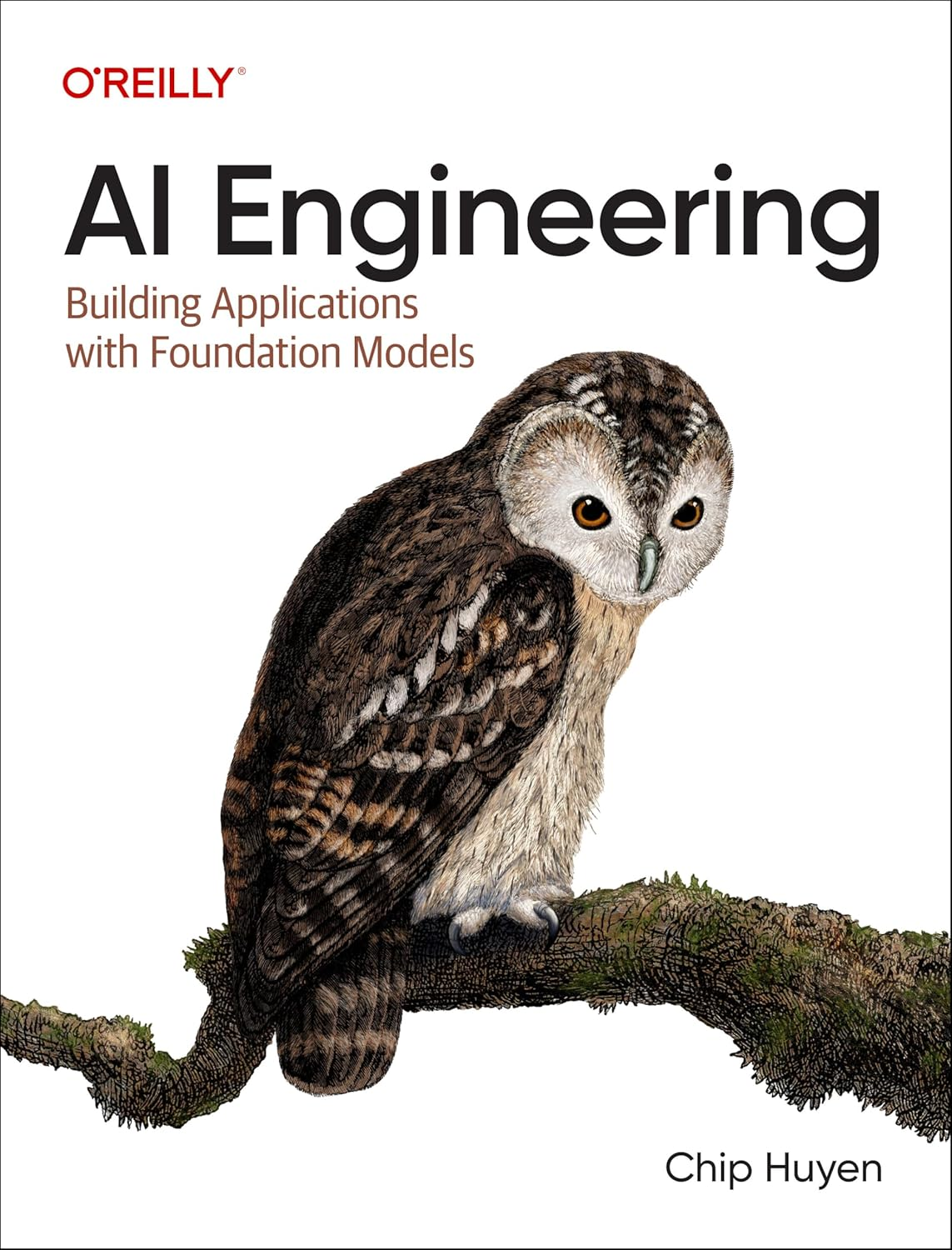
Start here. Seriously. Chip built systems at Google, Netflix, and NVIDIA. She doesn't write about what AI could do. She writes about what it actually does when 10,000 requests hit your endpoint and your data pipeline breaks.
The book treats AI like infrastructure. Because it is.
Nearly every book treats AI as a model problem. This one treats it as a systems problem. You'll learn how to design data pipelines that don't collapse under load, version models the way you'd version code, monitor systems that drift over time, and evaluate AI in ways that actually predict real-world performance.
Most AI courses skip production concerns. This book lives there. Deployment strategies. CI/CD for ML. Reproducibility. The gap between notebook and production isn't small—it's where most teams die.
What readers are saying:
"Chip Huyen’s AI Engineering is a concise, hands-on guide that bridges the gap between AI research and production systems. It emphasizes building scalable, maintainable, and continuously improving AI applications…
…The book is tool-agnostic but provides practical design patterns, making it ideal for engineers moving from model development to operationalization." — Daniel De Los Santos, Goodreads Review
"It is reader-friendly and well organized: I have read many technical books for my profession, but obviously there are so many books that simply "dump" explanations with insufficient context and incoherent structure. This book reads as if there were a young graduate student tutor at a university who tries to make you understand as much as possible…" — Dev.to Book Review
When to read this: If you're shipping LLM products or managing an AI team that needs to move from POC to production.
You can read more about AI systems design frameworks from the author herself.
2. Co-Intelligence: Living and Working with AI by Ethan Mollick
Buy on Amazon
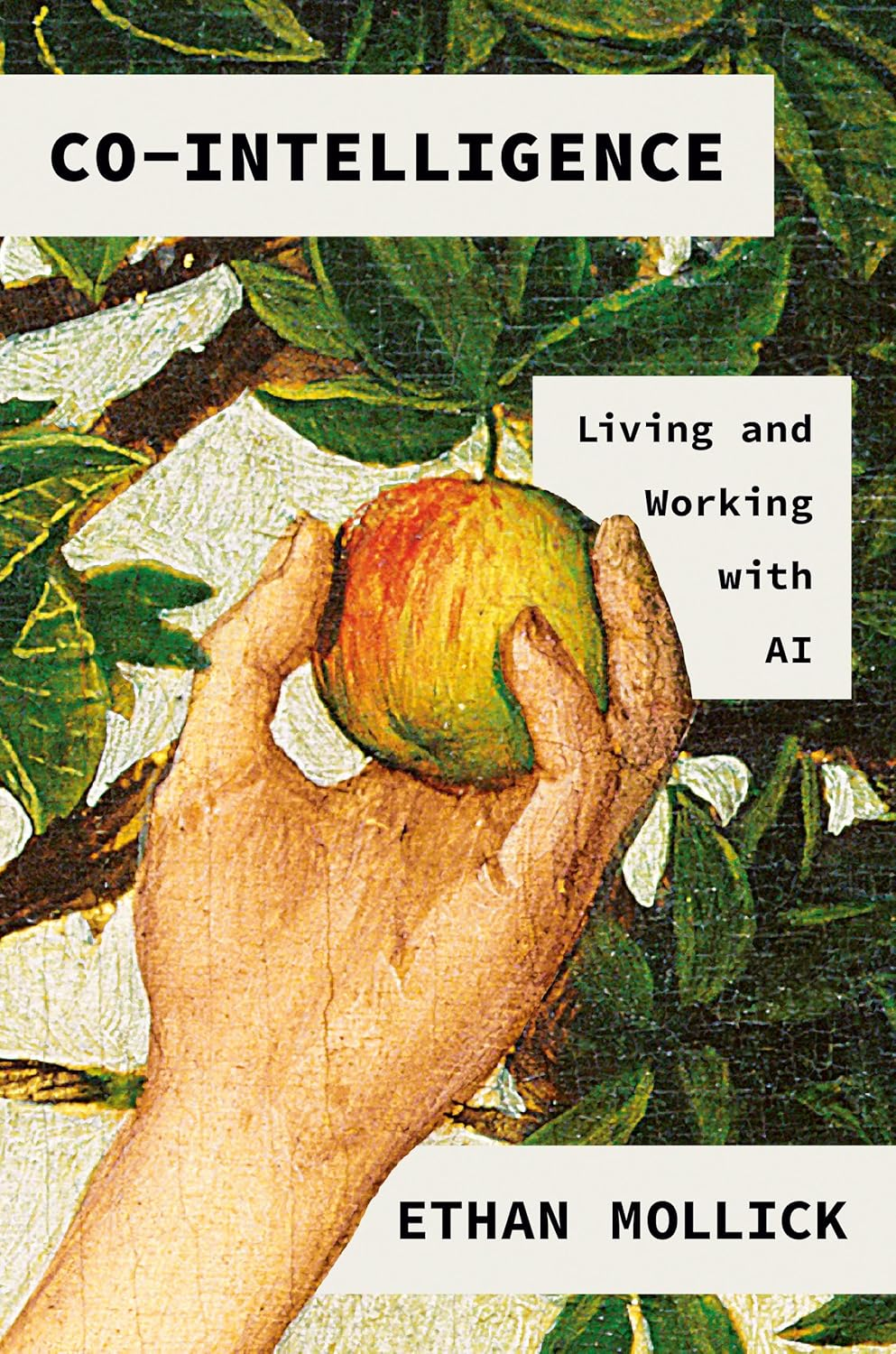
The organizational playbook. Ethan runs Wharton's entrepreneurship program. He's also spent the last two years studying how AI actually changes work. Not theoretically. Empirically.
His insight is simple: AI isn't a tool your team uses. It's a thinking partner that thinks differently than humans.
The "Four Rules of Co-Intelligence" are worth the book alone. Invite AI to every task. Keep humans in the loop. Treat AI like a person—give it context and a role. Assume today's AI is the worst you'll ever use.
That last one matters. It means you're always planning for better.
The research shows productivity gains from 20% to 80% depending on the task. But what matters more: you'll understand where AI creates leverage in your organization and where it creates risk. The book addresses both the opportunities—AI as a great equalizer that narrows performance gaps—and the dangers of over-reliance.
What readers are saying:
"Co-Intelligence is a good starter read for those interested in what Generative AI is all about. It’s also a nice refresher of the technology and Mollick’s top blog posts on the topic. His writing style is accessible and he explains things without getting bogged down in overly technical details that might turn the general public off." — Kara Kennedy, AI Literacy Institute Review
When to read this: If you're trying to understand how AI changes organizational structure, team capability, and individual productivity.
Before you hire new people, understand what capabilities AI can unlock in your existing team. This book changes how you think about team capability and organizational design.
Learn more about the Jagged Frontier concept that shapes AI adoption.
3. The LLM Engineering Handbook by Paul Iusztin and Maxime Labonne
Buy on Amazon
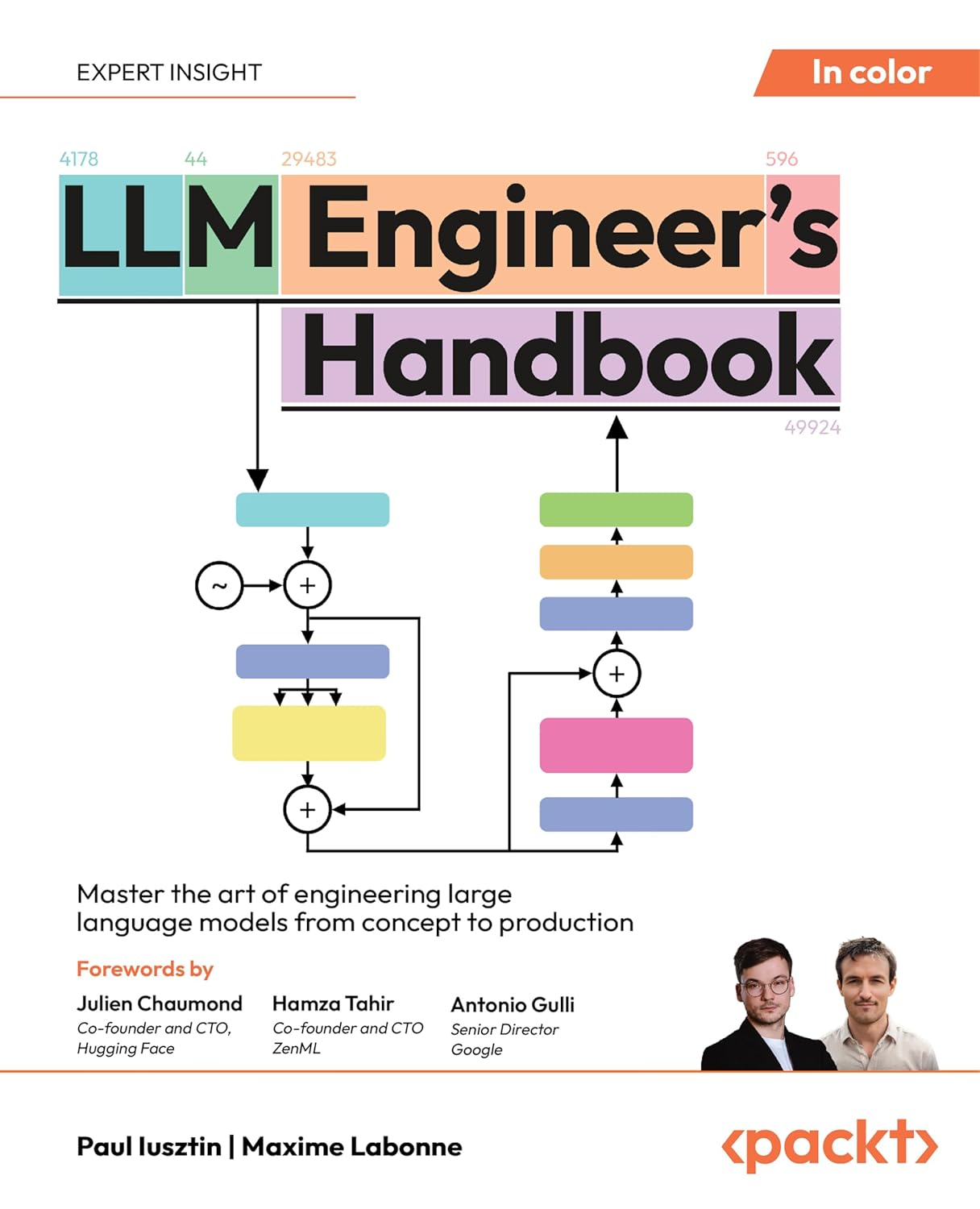
Your operations manual for production LLMs. Paul and Maxime built LLM systems that serve real users. This handbook is what they document internally.
Cover retrieval-augmented generation (RAG) that works in production. Fine-tuning techniques like Low-Rank Adaptation (LoRA). Evaluation strategies that don't waste compute. Inference optimization that keeps costs from spiraling toward oblivion.
The book moves fast. It doesn't re-explain transformers. It answers the questions your team will actually ask: When do you fine-tune versus prompt? How do you catch hallucinations before users do? What architecture fits your constraints and budget?
You'll use this as a reference. A lot. Bookmark it.
What readers are saying:
"The book assumes readers are already somewhat familiar with LLM concepts, vector databases, and MLOps patterns. It is not a beginner’s guide, and some sections may feel dense if you haven’t worked on ML systems before…
…Still, the book’s core value lies in how it demystifies the nuts and bolts of LLM product development. Rather than chasing benchmarks or open-ended research, it focuses on building something useful, contained, and repeatable…" — HelpNetSecurity Review
"I'm working my way through the book. It was worth it for me because of its focus on MLOps. I already had a deep understanding of how to build LLMs from scratch and creating applications around them, but to build the training and inference infra around it was a weak spot. This book is addressing that for me." — Reddit r/LLMDevs Discussion
When to read this: If you're building LLM products or managing engineers who are. This is the handbook you reference when someone says "we need to reduce latency" or "our token costs are insane."
Learn how 500+ companies lead their engineering teams while keeping morale high and retention strong.
4. The AI-Driven Leader: Harnessing AI to Make Faster, Smarter Decisions by Geoff Woods
Buy on Amazon
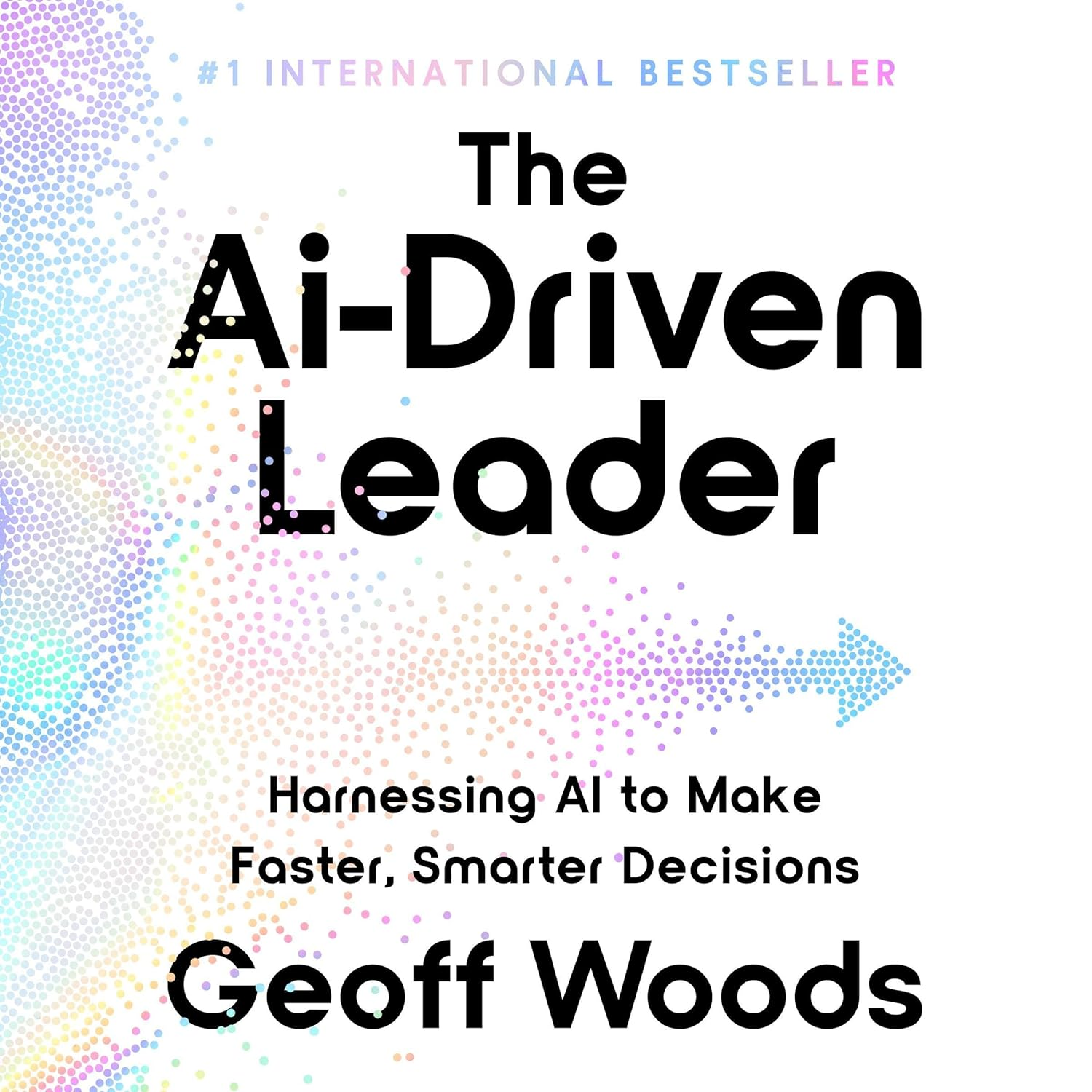
How to use AI for strategy, not just coding. Geoff worked with 200+ executives. He's studied the patterns. Most leaders treat AI like autocomplete. That's a waste.
The CRIT framework—Context, Role, Interview, Task—sounds simple. It's not. It's the difference between asking an AI "What should I do?" and actually using it as a thinking partner.
Use AI as an interviewer. It asks you the hard questions about your strategy that force clarity. Use it as a brainstorm partner. Use it to argue against your own assumptions. Use it as a decision accelerator for resource allocation.
What stands out: The book is less about AI capabilities and more about your decision-making habits. It pushes back on the idea that AI makes choices for leaders. Instead, Woods argues leaders should use AI to clarify what they're actually trying to solve.
The case studies are absurd. International debt restructured in hours instead of months. Operating costs cut by millions in days. These don't happen by accident. They happen from discipline.
What readers are saying:
"AI Driver Leader is a good start for business leaders looking to understand and adopt AI. It provides practical insights without overwhelming technical detail, making it an accessible entry point into the world of AI-driven decision making." — Vaibhav Chouksey, Goodreads Review
When to read this: If you own strategy, resource allocation, or major technical decisions. It'll change how you approach problem-solving. And if you're hiring a CTO or engineering manager, this book shows what leadership capability looks like in an AI-native organization.
For a deeper understanding, read more on how to build AI boards of advisors for strategic decisions.
5. Designing Machine Learning Systems by Chip Huyen
Buy on Amazon
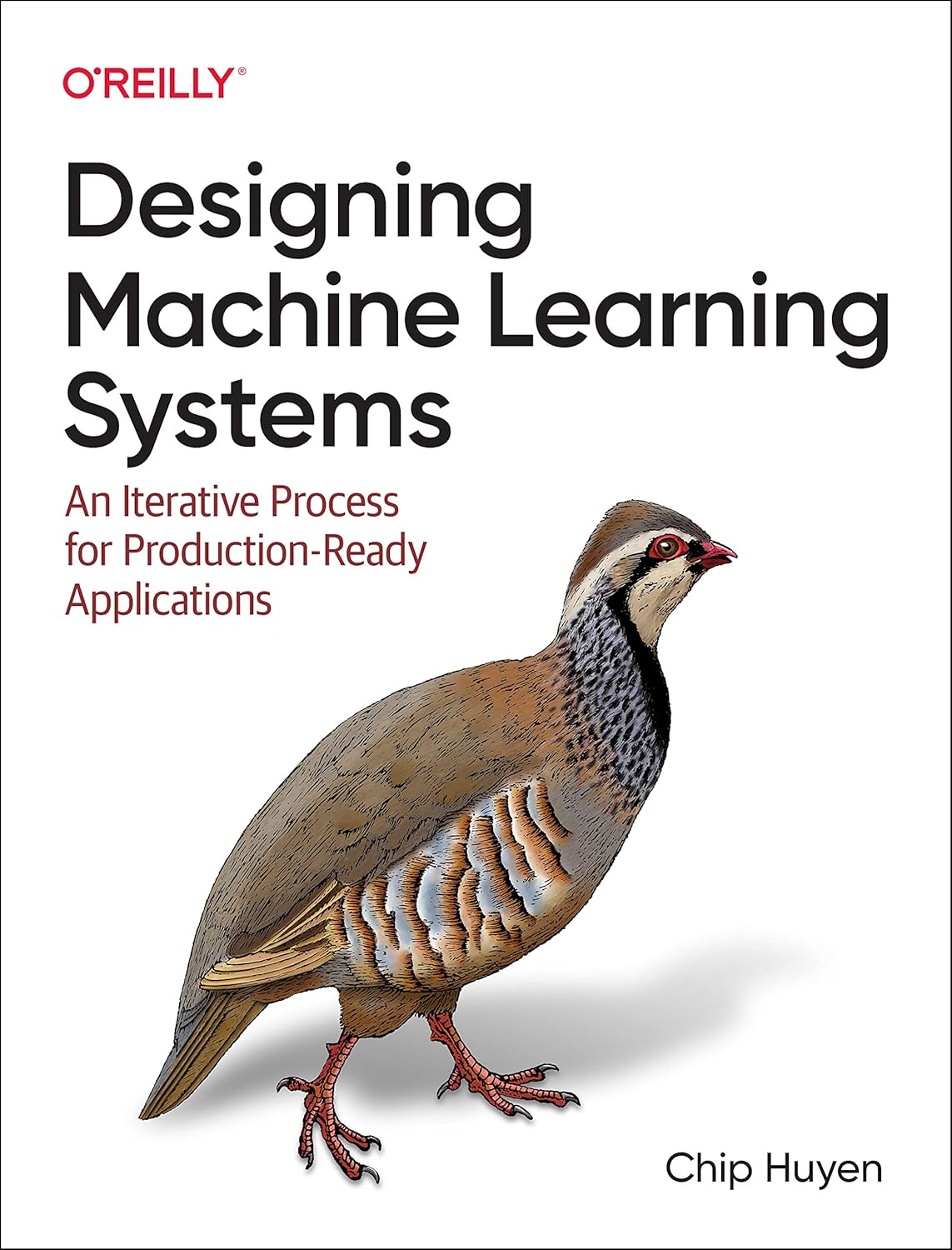
Yes, Chip again. Because she's that good. This one goes deeper on pure ML systems. Data pipelines. Feature engineering. Model serving. What happens when real data doesn't match training data (spoiler: it never does).
The book tackles production concerns that most courses gloss over.
Model decay. Data quality issues that tank performance. The economics of ML projects. Why a model works in testing but fails live. How to debug systems that nobody fully understands.
You get reliability frameworks. Design patterns for systems that stay stable at scale. Constraints that matter: cost, latency, reliability, data quality.
What readers are saying:
"Designing Machine Learning Systems is a fantastic addition to any data science professional’s library. Chip Huyen zooms out on each step in the machine learning development life cycle by focusing on concepts rather than specific implementations. After reading this book, you will have new frameworks to help you apply best practices throughout the entire machine learning development life cycle." — The Data Generalist Book Review
"It’s a great book. As others mentioned, not as technical but she gives some great advice and points to take into consideration" — Reddit r/mlops Discussion
When to read this: If your team owns ML operations or you're responsible for model reliability. This is foundational. It's also practical—filled with real problems and actual solutions.
6. Hands-On Large Language Models: Language Understanding and Generation by Jay Alammar and Maarten Grootendorst
Buy on Amazon
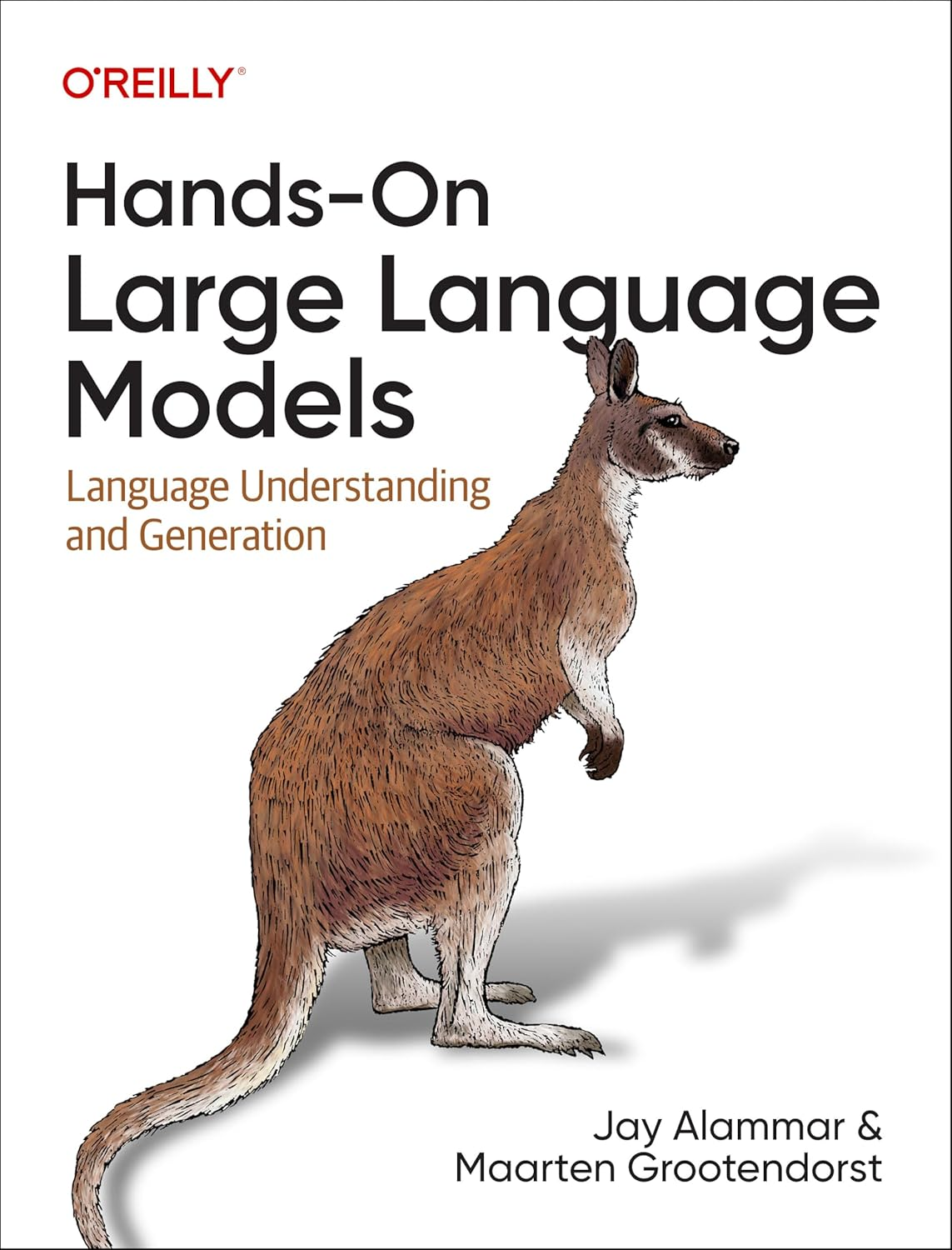
For teams who need intuition, not just code. Jay and Maarten have a gift: they make complex topics visual and obvious.
The book has over 250 custom illustrations. Each one is a shortcut to understanding how transformers work, how embeddings encode meaning, how RAG retrieves relevant context, and how different LLM architectures compare.
But the book isn't just pictures. It includes working code. You can build semantic search, text classification systems, and LLM pipelines while learning the concepts.
The progression from basics to advanced techniques is logical—you're not left wondering why a decision matters until you're deep into the chapter.
What readers are saying:
"...If you want to dabble in the technology and know a little Python, this book is for you. It's not a reference (you can find those online), nor is it a tutorial (you have YouTube for that). It's a great hands-on experience. Just reading about AI doesn't quite make it all sink in, sometimes you have to do AI and that's what this book is for. Enjoy." — Joe via Goodreads
When to read this: This one works well for teams that need to understand LLMs without drowning in mathematics or getting lost in implementation details. This is how you onboard engineers onto AI projects fast.
7. Building Agentic AI Systems: Create Intelligent, Autonomous AI Agents by Anjanava Biswas and Wrick Talukdar
Buy on Amazon or Read on LinkedIn Learning
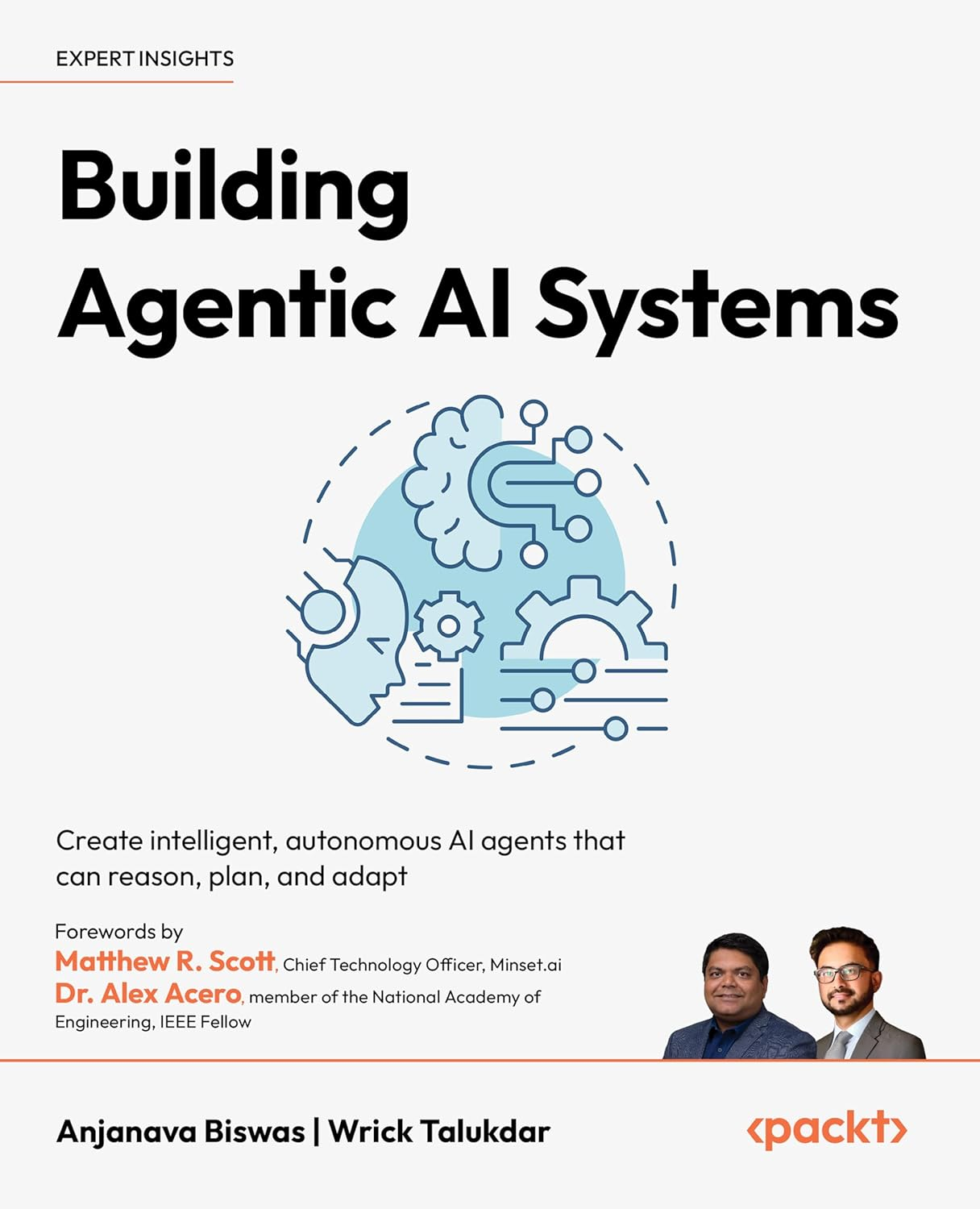
What's coming next? Agentic AI is the next frontier. Your team needs to understand what's coming.
This book shows how to build AI agents that can interact with environments, reason through multi-step problems, plan actions, and adapt based on outcomes.
This isn't about replacing people. It's about building AI that handles work your team doesn't want to do—or can't do at the speed required. Learn how to architect AI systems that operate independently with human oversight.
The planning and reasoning frameworks matter. So does the honesty about current limitations—agentic AI still hallucinates, still needs careful orchestration, still fails on seemingly simple tasks.
But the direction is clear, and teams that understand this architecture early will have an advantage.
What readers are saying:
"I thoroughly enjoyed the entire book. The graphics are excellent, the explanations are well-reasoned, and the use of a continuing example with the travel agent grounds the reader. I keep trying to think of what might have been an area to improve, but this is one of the better systems…" — Mark Peters, PhD, DSS, LinkedIn Review
"This book is a must read for anyone who wants to move beyond AI theory and actually build real-world, intelligent applications. It walks you through every core concept, agency, reasoning, adaptation and shows you how to apply them step by step with practical examples like a travel agent. Clear, actionable, and packed with insights for developers aiming to create truly autonomous AI systems." — Mohit Jain, Goodreads Review
When to read this: If you're thinking about the next generation of AI systems or you're hiring engineers who'll build them.
8. Supremacy: AI, ChatGPT, and the Race That Will Change the World by Parmy Olson
Buy on Amazon
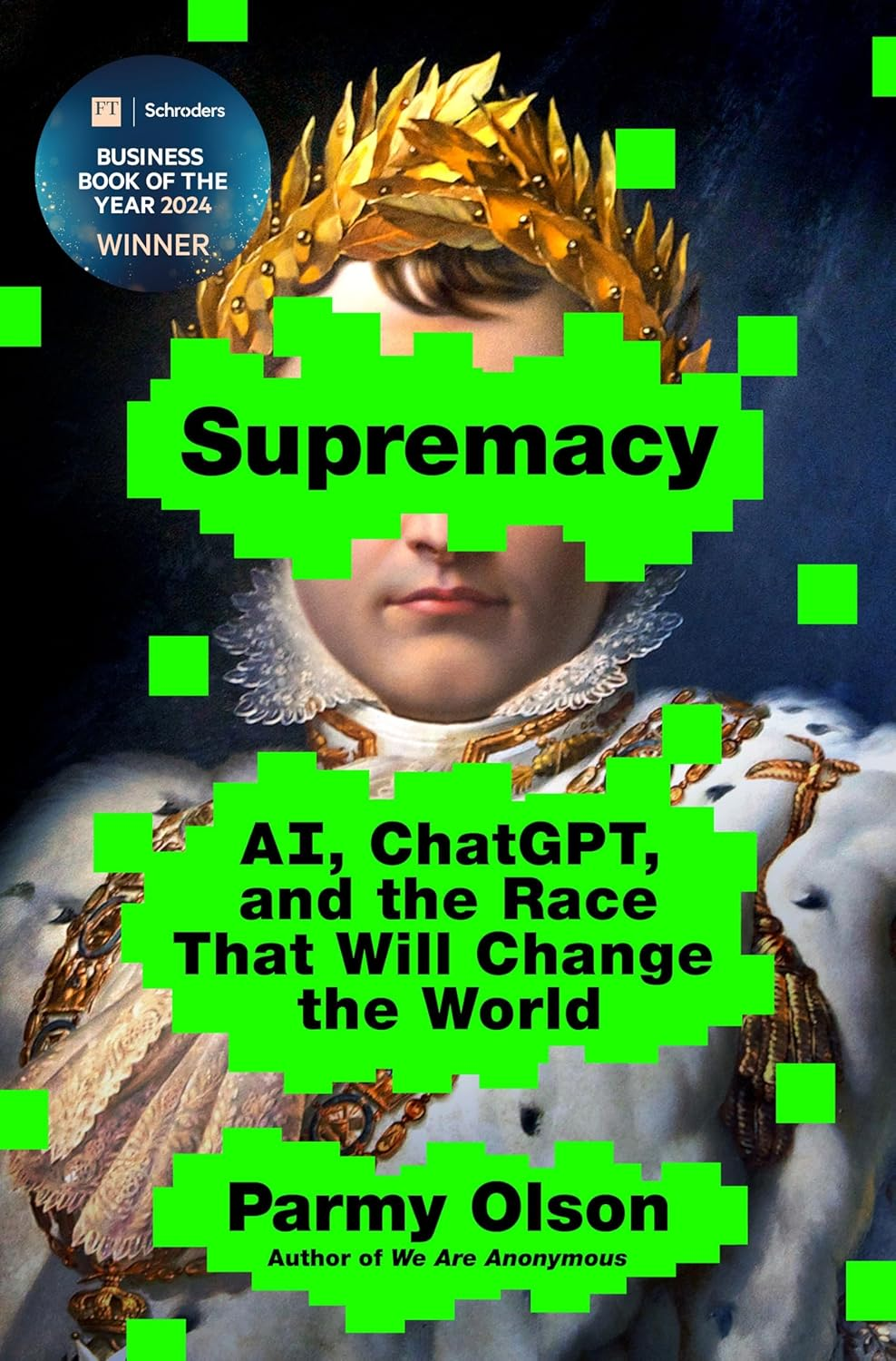
Context is power. Parmy is a Bloomberg tech journalist. She won Financial Times Business Book of the Year with this one. She tells the human story behind the AI race—and it's compelling.
OpenAI versus DeepMind. Personalities driving decisions. Commercial pressures shaping strategies and the geopolitical stakes.
For engineering leaders, the value isn't technical. It's strategic context.
You understand why OpenAI pivoted from non-profit to accepting Microsoft investment. You see how Google's DeepMind acquisition changed things. You grasp why the capability race matters for your organization's long-term strategy.
The book also addresses ethical concerns—bias, copyright issues, labor practices around training. These will shape regulation and industry norms.
What readers are saying:
"If you are passionate about AI and want to grasp the forces shaping its future, Supremacy is a must-read. Olson’s storytelling not only informs but also challenges readers to reflect on where they stand in this evolving AI landscape…
…This book doesn’t provide all the answers, but it gives you the context to form your own opinions in the AI arms race." — Sagar Nangare Book Review
"The inside story of how we got to this place is an important one to tell, and it's recounted capably by Parmy Olson. Tracking the development of DeepMind and OpenAI, Olson pries open the secretive sector and its coterie of obsessive nerds, their utopian aims and dreams." — Chris Gregory Books Review
When to read this: Before you make long-term strategic bets on any AI platform or technology. Context prevents surprises.
9. Artificial Intelligence: A Modern Approach (4th Edition) by Stuart Russell and Peter Norvig
Buy on Amazon
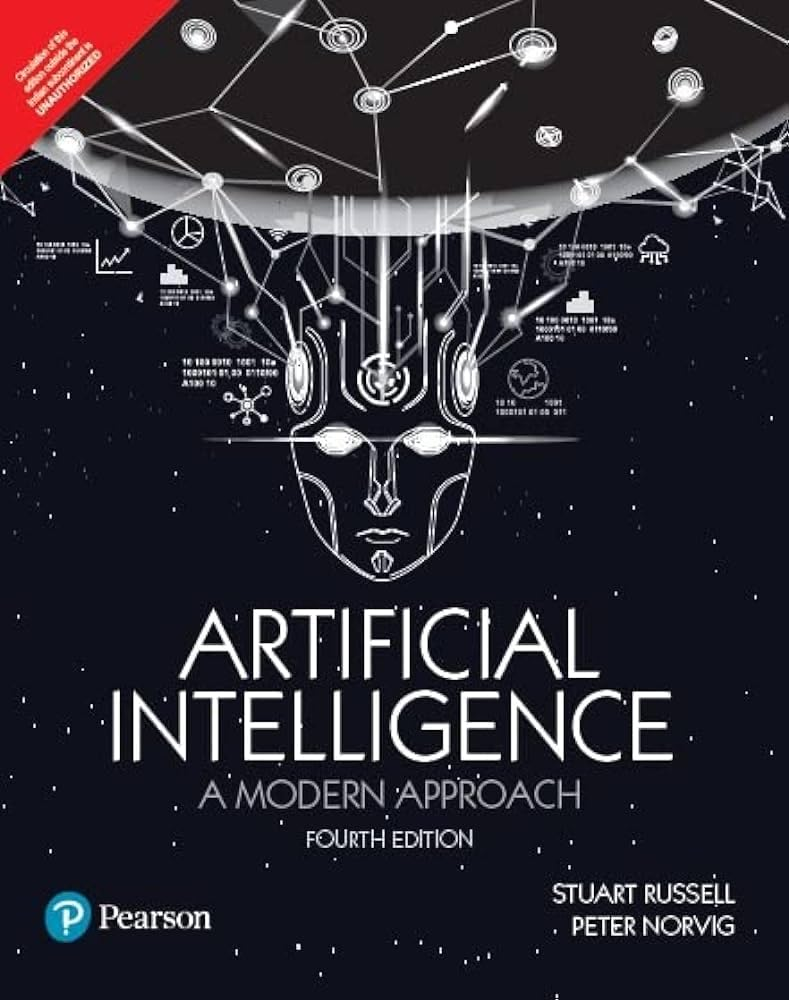
Yes, this is a textbook. No, don't be intimidated. Russell and Norvig are the definitive voices. The 4th edition (2024) is the first major revision to include modern deep learning alongside classical AI methods. It's comprehensive without being impractical.
For engineering leaders who need to understand what's possible—and what's genuinely hard—this book provides both breadth and depth. You grasp search algorithms, knowledge representation, learning, natural language processing, robotics, and ethics.
Most chapters are written so an engineer can follow them. The math is there if you want it, but the concepts are accessible.
What readers are saying:
"The major accomplishment of AIMA is that Russell and Norvig take the hodge-podge of AI research and fit it sensibly into a narrative structure centered on different kinds of agents. This book has it all and brims with relevant detail. If you want an introduction to this field, this book is for you." — Goodreads Review
"Yes it’s VERY relevant - most of it concerns “symbolic AI” which is different in design than current LLMs, but very much still used extensively. And likely to be even more important now that it’s being combined with LLMs. I’ll say this: regardless of what you call it, that book contains a bunch of great tips on how to make agential programs." — Reddit r/ArtificialInteligence Discussion
When to read this: When you need foundational depth or credibility in evaluating technical claims about how "AI could solve this" from your team or candidates.
Read on to understand the foundational concepts that underpin all AI systems.
10. The AI-Savvy Leader: Nine Ways to Take Back Control and Make AI Work by David De Cremer
Buy on Amazon
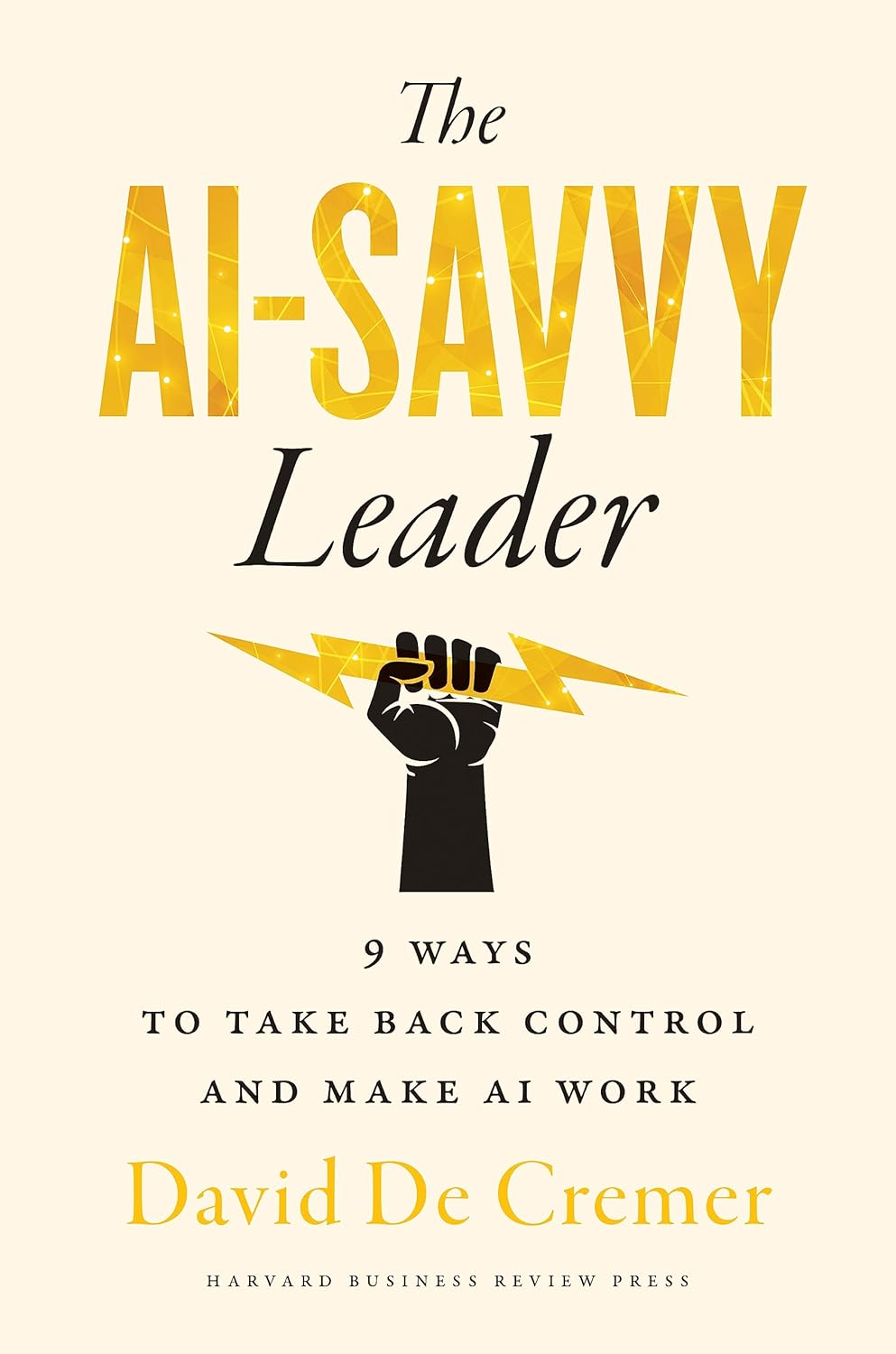
How to lead organizations through change. David teaches at INSEAD. He's written extensively about leadership in technological transitions and studied their patterns even more obsessively.
The nine ways are practical: align AI to business strategy, build trust, manage innovation versus risk, handle psychological impact on teams, and foster actual skills.
But here's why it matters: most AI adoption fails because of organizational dysfunction, not technical problems.
How do you tell people their job is changing? How do you build teams that embrace AI when fear is natural? How do you know if your AI initiative is succeeding?
These questions matter more than any algorithm.
The book is practical and frank about the challenges. It doesn't pretend AI adoption is smooth.
What readers are saying:
"…It outlines cleanly and concisely nine actions leaders need to take to successfully steward a transition to a more AI-centric future that will lead to growth for all — companies and workers — and avoid the kinds of mistakes that author David De Cremer has seen many early adopters already make." — Arab News Review
When to read this: If you're leading teams through organizational change. Before you hire new people, use this framework to understand what your existing team will need.
Want to level up your existing team? Explore our tech hiring insights and learn how other engineering leaders are strengthening their engineering capabilities.
How to Use These Books as a Leader
Stack These Books by Your Problem
Shipping LLM products? Start with #1 and #3. Learn systems design and production patterns.
Leading through organizational change? Start with #2 and #9. Understand how AI changes work and how to lead teams through it.
Need foundational depth? Start with #8. Build your mental model first.
Evaluating technical claims? Start with #8 and #4. Make smarter decisions about where AI creates leverage.
Read Actively. Act on It.
These books reward re-reading. Highlight sections. Discuss them with your team. Build a shared reading list. Discuss what applies and what doesn't for your context.
Connect them to projects.
Don't read passively. Pick a project your team is working on. As you read, ask: How does this book change how we approach that problem?
Stay ahead of your team, not above it.
The goal isn't to become an AI expert. It's to make better decisions about where AI creates value, where it creates risk, and what your organization needs to learn. These books are your foundation. Use them.
See why Big Tech is shifting away from full-time roles and hiring more contractors instead.
What's Next After Reading
After working through these books, your team should be able to:
- Build systems that don't just work in notebooks.
- Answer whether a problem is AI-shaped or not.
- Evaluate team capability gaps and fill them strategically.
- Navigate the business and ethical dimensions of AI adoption.
- Understand the production constraints that matter—cost, latency, reliability, data quality.
The Real Prize Isn't Finishing the Books
The real prize is what happens after. Your team starts shipping faster. You make better hiring decisions. You stop getting blindsided by technical problems. You lead through change instead of reacting to it.
AI capability compounds. The teams reading these books now will ship better products, build better teams, and move faster than the teams that don't. That's not hype. That's just how information advantage works.
Your team is going to build AI systems. They might as well build them well.
Read the books. Have conversations. Build the capability.
2026 is the year that separates leaders who understand AI from leaders who pretend to. Don't be the latter.
➡︎ Hiring engineers who can actually ship AI to production? Index.dev connects CTOs with senior developers who’ve built, scaled, and maintained real-world AI systems
➡︎ Want to explore more insights on ATS tools, AI hiring, and global tech recruitment? Check out related articles such as the Paradox AI recruitment chatbot review, AI startup tech stack for 2026, remote AI hiring challenges, mitigating risks when hiring offshore talent, top countries for AI developer ROI, choosing the right AI transformation partners, and evaluating developers for AI/ML expertise. These guides offer deeper frameworks, tool comparisons, and data-driven insights to help you hire smarter and scale engineering teams globally.